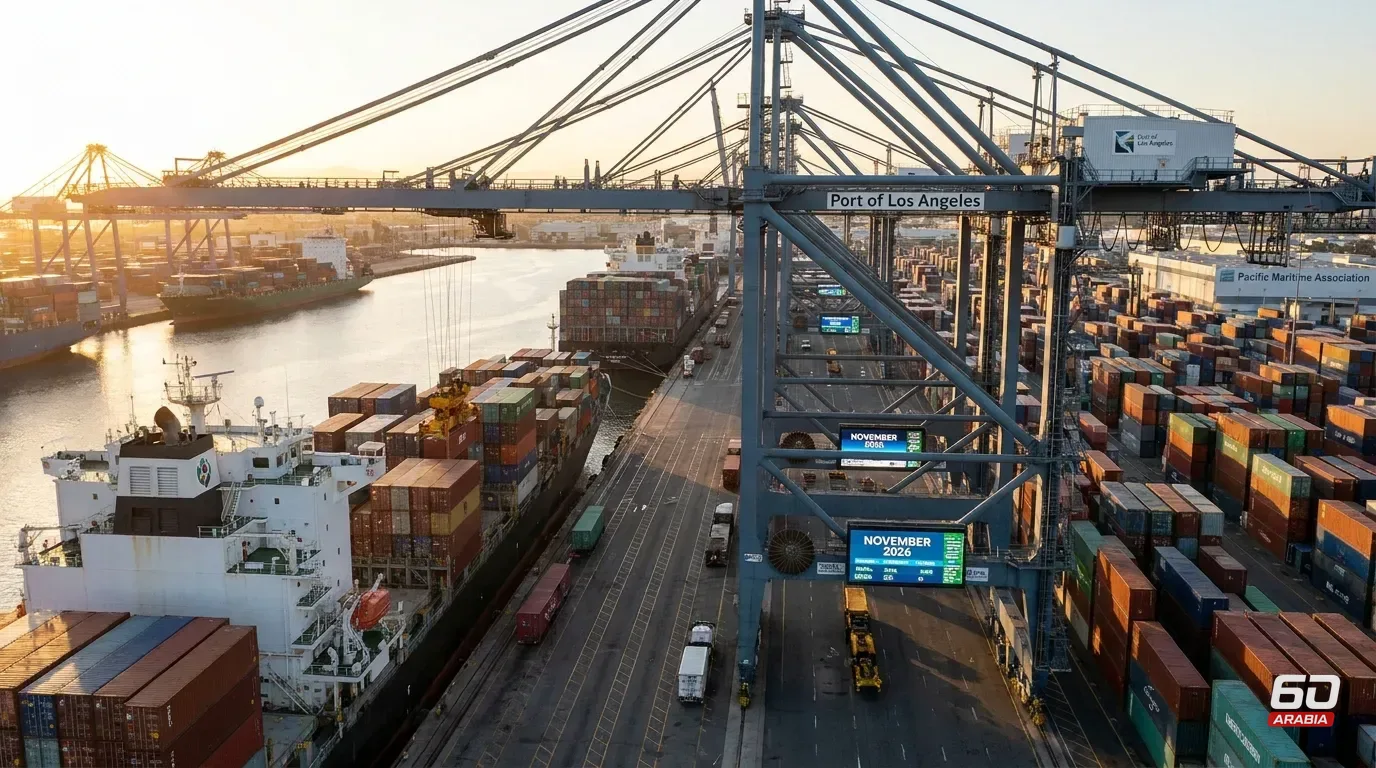

Strait of Hormuz daily tanker transits drop from 140 to single digits
Shipping through the Strait of Hormuz faces severe disruption after US and Israeli strikes on Iran. Daily tanker transits fell from a baseline of 140 to single digits.
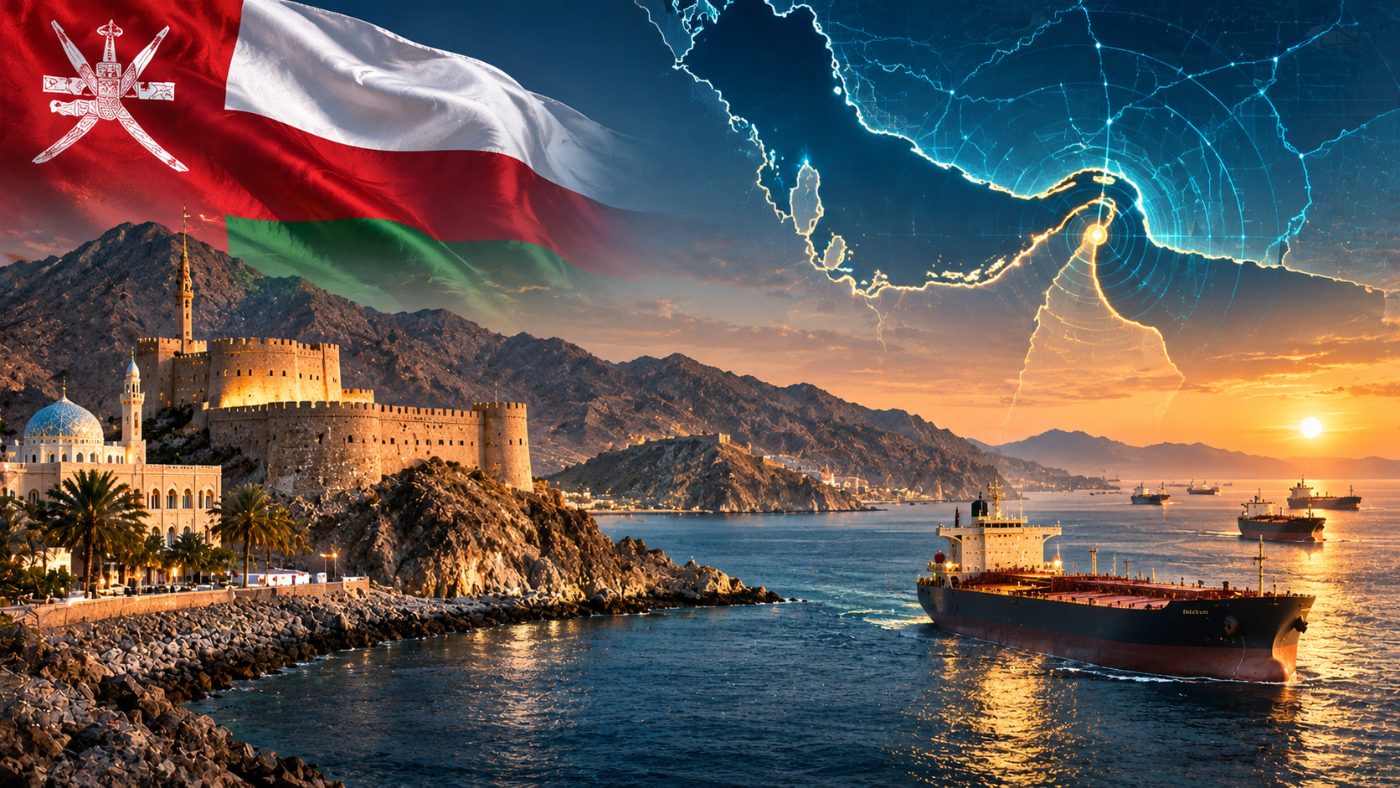
Commercial shipping through the Strait of Hormuz has experienced severe disruptions for months following the eruption of the US-Iran conflict in February 2026. The escalation began after joint strikes by US and Israeli forces on Iranian targets.
Iranian forces have repeatedly attacked commercial tankers near the waterway and conducted suspected mine-laying operations. Iran has declared the strait closed on multiple occasions while demanding specific conditions be met, whereas the US stated it destroyed Iranian mine-laying vessels and cleared mines from international shipping lanes.
The Strait of Hormuz typically transports approximately one-fifth of global oil supplies. During acute disruption periods, daily tanker transits dropped from a pre-war baseline of roughly 125 to 140 vessels down to single-digit figures, according to reporting on the conflict.
Brent crude prices have swung sharply throughout the ongoing crisis, according to market data. Crude futures spiked toward triple digits during escalations and retreated when regional tensions showed signs of easing.
Jorge Leon, an analyst at Rystad Energy, said the near-standstill in tanker traffic reflects market risk perception as much as any official statements issued by Washington or Tehran.
What do these terms mean?
Strait of Hormuz: A strategic narrow waterway connecting the Persian Gulf to the Gulf of Oman, serving as a primary transit route for global petroleum exports.
Brent crude: A major international trading classification and pricing benchmark for crude oil sourced from the North Sea.
Weekly Newsletter
Read between the lines before everyone else. Decode the most important economic, tech, and decision-maker movements in the region.. in 5 minutes every Saturday.