

Summary
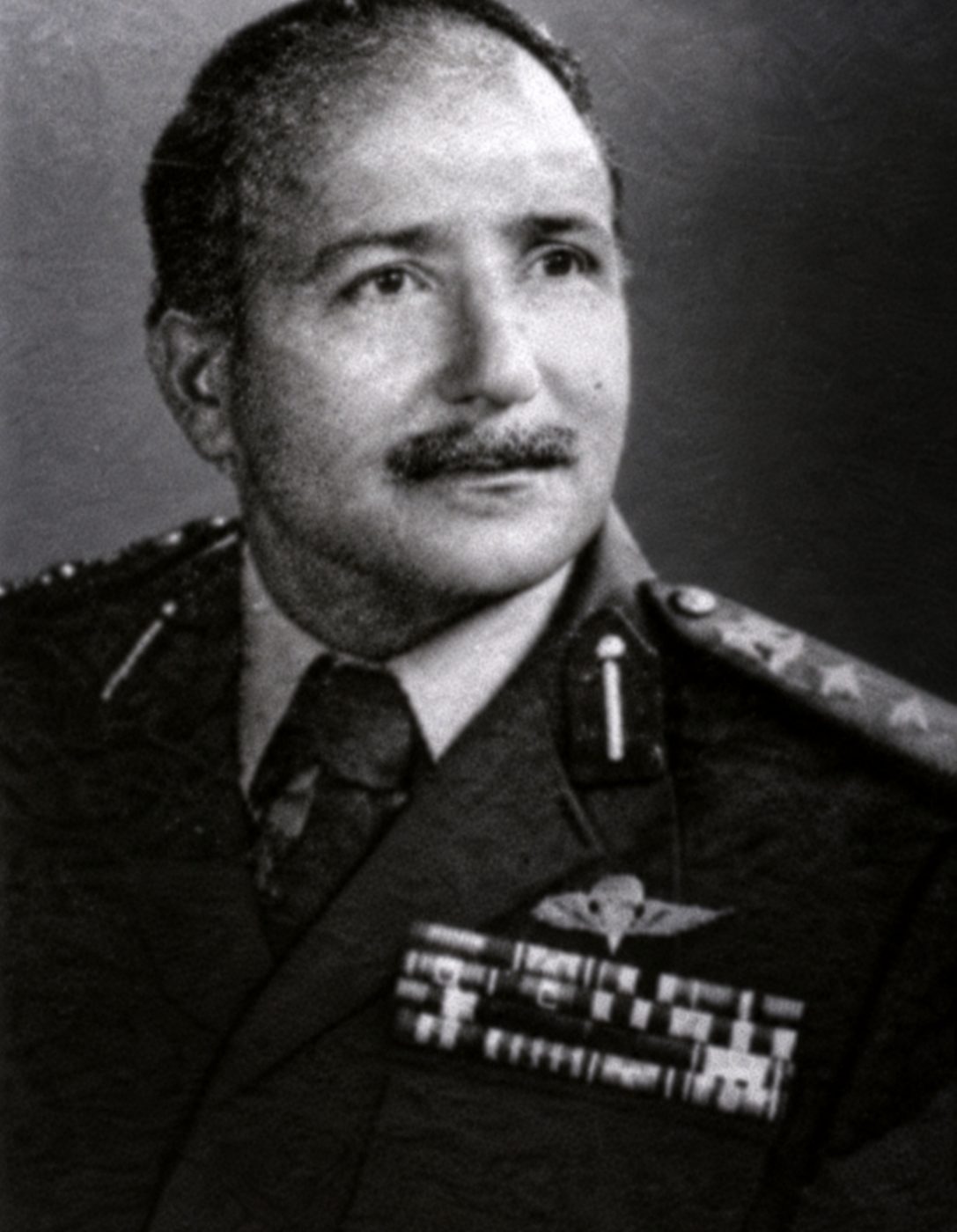
A colonel from Alexandria who commanded the 129th Thunderbolt Group. It destroyed 28 tanks in the early hours, fought in the breach until running out of ammunition, and repelled Sharon's final attack.
"This is my uncle's biography, as documented by war sources, not family memory."
The Man Who Stood Between Sharon and Ismailia
On October 22, 1973, there were only a few battalions standing between the city of Ismailia and Ariel Sharon's forces. One of them was under the command of an officer from Alexandria named Ali Heikal.
His name was not among those that headlined movies. But he was present in the war's most difficult moments, and in the place that decided its fate.
From Mobilization to the Field
Ali Heikal was born in Alexandria and graduated from the Military Academy in 1957. In October 1973, he was a Colonel Staff Officer commanding the 129th Thunderbolt Group, operating within the scope of the Second Field Army.
His name is listed among the war commanders alongside his fellow Thunderbolt group commanders: Fouad Basyouni in the 127th, Kamal Attia in the 136th, Osama Ibrahim in the 139th, and Ibrahim El-Rifai in the 39th Combat Group, who was martyred in battle.
The Early Hours
The mission of the Thunderbolt forces in the crossing plan was not to occupy land, but to delay the enemy before they arrived. They had to infiltrate behind enemy lines and lay ambushes along the path of the Israeli armored reserves rushing toward the Canal, giving the crossing infantry forces the time they needed.
In those early hours, the 129th Group succeeded in destroying 28 tanks and 12 armored tracked vehicles.
Their weapons were light, and their opponent was armored. The entire difference lay in the terrain, the night, and training.
Then Came the Breach
In mid-October, the war changed. Israeli forces crossed to the West Bank at Deversoir, and Ismailia became threatened from behind.
On October 17, orders were issued to the 73rd Thunderbolt Battalion, one of the 129th Group's battalions, to advance west of the Canal to destroy enemy forces. A company was pushed toward Deversoir Airfield to secure it; upon approaching, it immediately engaged an Israeli tank battalion occupying the airfield. The enemy force was reinforced by a paratrooper company, and the engagement continued until nightfall.
A light infantry company facing a tank battalion. That is the true scale of the situation, unvarnished.
In his memoirs, Lieutenant General Abdel Moneim Khalil mentions that he issued orders to Colonel Heikal, commander of the 129th Group, to set his plans in the sector extending west of Al-Manayif Oasis to south of Abu Suweir, in coordination with the 139th Group and the 150th Parachute Brigade.
The Testimony That Sums Up the Man
The most honest account written about him came from a comrade-in-arms, Major General Medhat Osman.
He recounts that his force advanced toward Deversoir five or six kilometers and then stopped, only to find Ali Heikal coming to them in person, carrying the army commander's orders to fall back to Abu Atwa, because there was no coverage behind them and because they were the last force standing between the enemy and Ismailia.
Notice the detail: a group commander delivering the order himself to another force, in an open area, amidst an engagement.
Medhat Osman adds another testimony, praising the 129th Group under Ali Heikal, which fought in the breach area before them—along with Aleem El-Deeb and Alaa El-Sawy's battalion—engaging the enemy before their entry, and then withdrawing to regroup after running out of ammunition.
Three words that sum up the meaning of fighting in those days: they did not withdraw when the situation intensified, but when there was nothing left to fire.
The Final Battle
On October 22, Sharon launched his sole attack toward the city of Ismailia.
There, the 85th Parachute Battalion, along with the 129th Thunderbolt Group under Colonel Ali Heikal and the 139th Group under Colonel Ahmed Osama Ibrahim, contributed to repelling the attack and destroying a large number of his tanks.
Ismailia did not fall. That is the single sentence in which history summarizes the work of thousands of men.
After the War
After October, he transitioned to academic and research work, heading the Research Branch at the Military Research Authority. He was later promoted to the rank of Major General.
He passed away on December 19, 2024.
Why Does He Deserve to Be Remembered?
Because wars are usually recounted through the names of high-ranking commanders, whereas they are actually decided at the level of the colonel: the man who receives an ambiguous mission in an exposed area with a limited force, and then executes it.
And three independent testimonies—in the memoirs of an army commander, in the account of a comrade-in-arms, and in battle records—say the exact same thing about Ali Heikal: he was where he needed to be.
May God have mercy on his soul.
Weekly Newsletter
Read between the lines before everyone else. Decode the most important economic, tech, and decision-maker movements in the region.. in 5 minutes every Saturday.