
Daily Strait of Hormuz Incidents Keep Oil and Tanker Prices on High Alert
Tensions in the Strait of Hormuz continue to drive up oil prices and tanker charter rates, with the daily potential for maritime incidents casting a shadow over the Gulf's energy and shipping sectors.
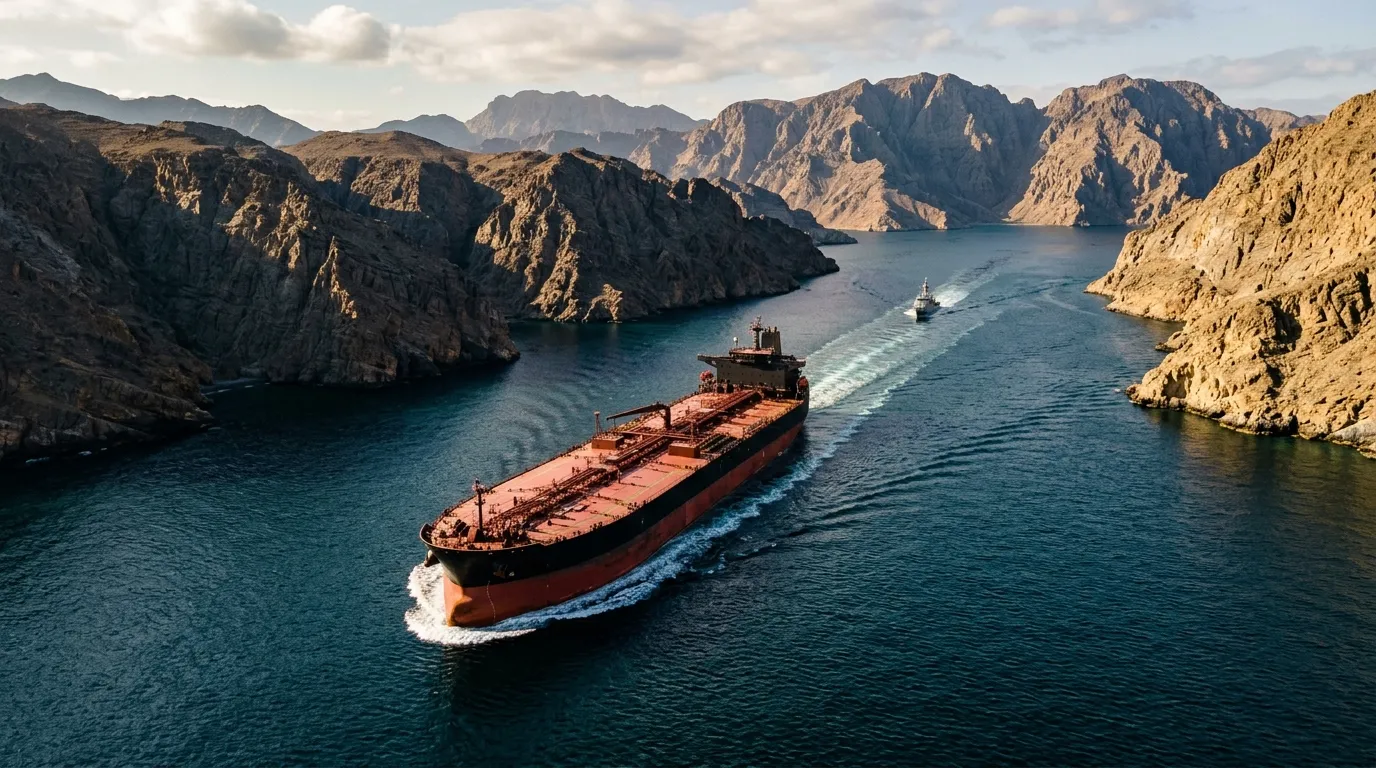
Tensions in the Strait of Hormuz continue to keep the oil and maritime shipping sectors on high alert, amid the daily possibility of incidents involving the seizure or targeting of vessels, driving up oil prices and tanker charter rates.
These risks are reflected in a significant increase in maritime insurance premiums on Gulf routes, with some shipping companies reducing the number of trips through the strait or requiring additional risk surcharges, which narrows profitability margins for exporters and importers using this route.
Oilfield operators in Gulf countries and major Asian importers are closely monitoring the situation, as any escalation in the frequency of incidents could lead to a sharp surge in global crude prices within hours.
The Strait of Hormuz remains the world's most sensitive maritime bottleneck, with nearly a fifth of global oil supplies passing through it daily, and no practical short-term alternative exists for these volumes. Estimates indicate that closing the strait for just a few days would be enough to push oil prices to levels not seen since the 2008 crisis.
What do these terms mean?
Strait of Hormuz: A narrow maritime passage located between Iran and the Sultanate of Oman, considered the world's most important oil transit point—roughly 20 million barrels of oil and its products pass through it daily.
Tanker charter rates: The price oil companies pay to rent crude tankers—rising as risks increase and the number of tankers willing to enter the region decreases, and falling when conditions improve.
Maritime insurance premiums: Fees paid by shipping companies to insure against accidents in danger zones—they have risen tenfold on Hormuz and Red Sea routes over the past two years.
Weekly Newsletter
Read between the lines before everyone else. Decode the most important economic, tech, and decision-maker movements in the region.. in 5 minutes every Saturday.