
Fed's John Williams targets 3.5% inflation as December rate hike looms
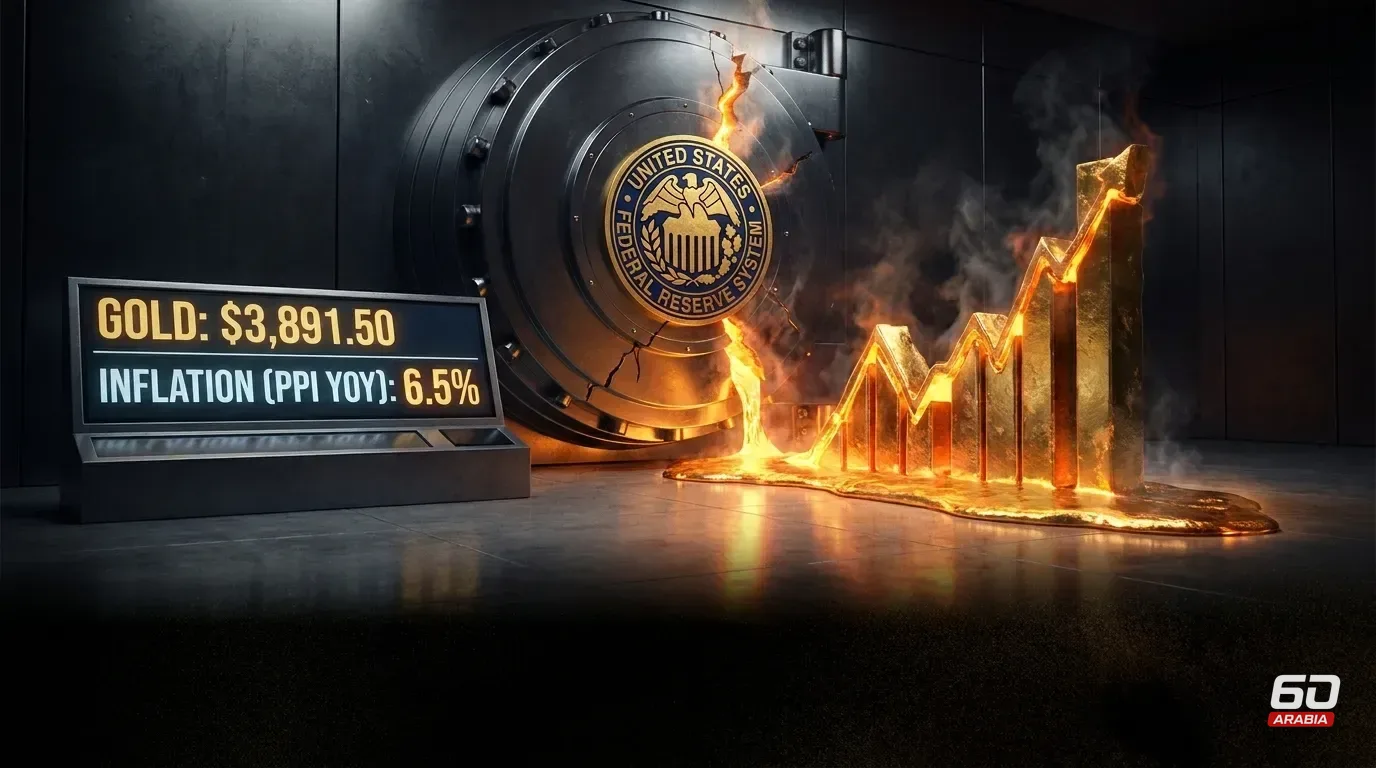
New York Fed President John Williams projected US inflation will end 2026 at 3.5%. Federal Reserve officials continue to signal potential interest rate increases in December.
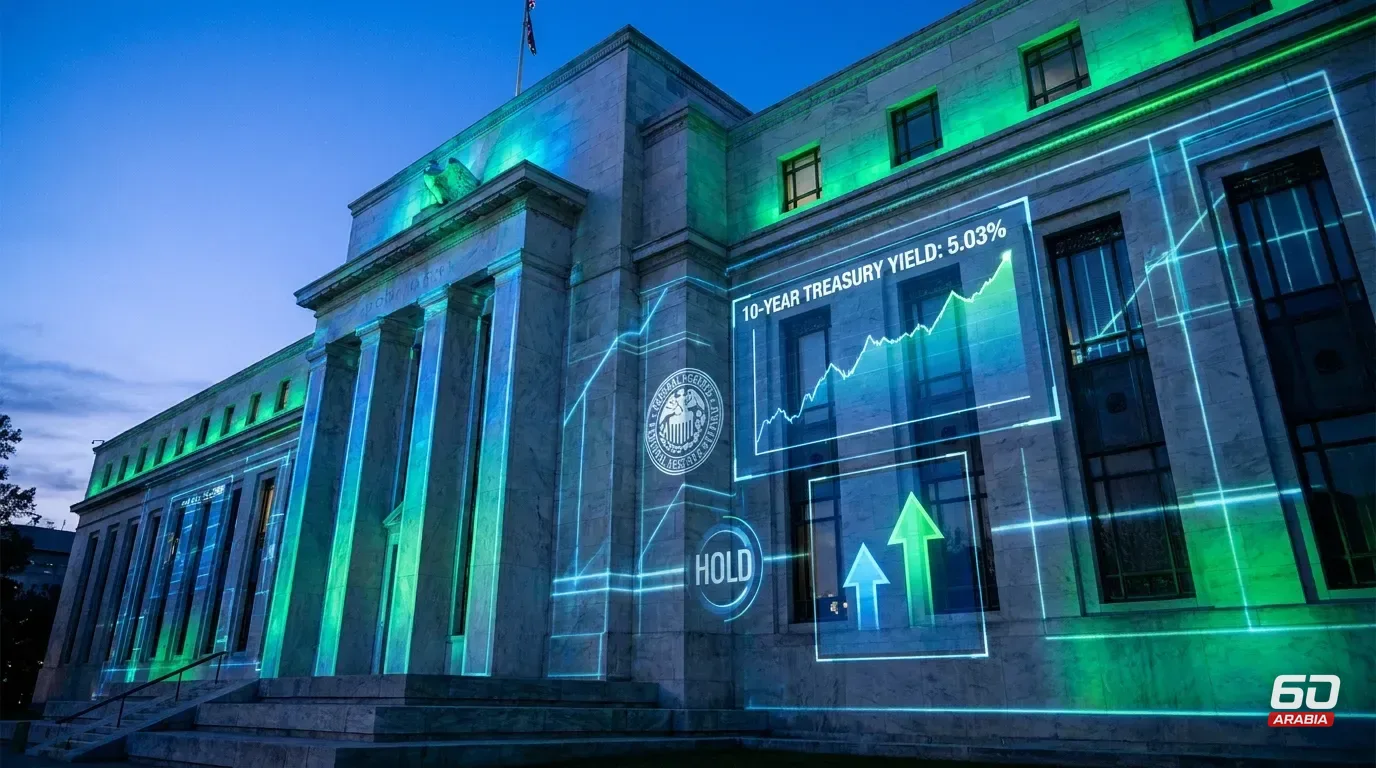
Federal Reserve Bank of New York President John Williams outlined standing central bank guidance projecting US overall inflation to reach about 3.5% for 2026. The forecast, delivered in a September 2026 speech, places the Fed's preferred personal consumption expenditures price index well above its 2% target ahead of upcoming economic data.
Williams attributed the persistent price pressure to elevated energy costs, tariffs, and high prices for artificial-intelligence-related goods. He also noted that conflict in the Middle East continues to impact energy prices across global markets.
The New York Fed chief stated that inflation should slow to just above 2% next year before eventually reaching the 2% target. He added that if the economy evolves according to his forecast, one further upward adjustment to the federal funds rate could be warranted.
Other Fed officials reinforced a hawkish stance throughout November 2026. Kansas City Fed President Jeff Schmid, San Francisco Fed President Mary Daly, St. Louis Fed President Alberto Musalem, and Fed Governor Christopher Waller all signaled potential monetary tightening.
Governor Waller noted that a 50-basis-point interest rate hike in December could be warranted if core monthly consumer price index inflation runs near 0.3% or higher. October data met that specific threshold.
Financial markets have subsequently priced in a high probability of at least a 25-basis-point rate hike at the December meeting. Market expectations also reflect a growing minority chance of a larger 50-basis-point increase.
What do these terms mean?
Personal Consumption Expenditures (PCE): The Federal Reserve's preferred measure of US inflation, tracking the price changes of goods and services purchased by consumers.
Federal Funds Rate: The target interest rate at which commercial banks lend central bank reserves to each other overnight, influencing overall borrowing costs in the economy.
Basis Point: A standard unit of measure for interest rates and financial percentages, where one basis point equals 0.01 percentage point or one-hundredth of a percent.
Consumer Price Index (CPI): A key economic indicator measuring the average change over time in prices paid by urban consumers for a market basket of goods and services.
Weekly Newsletter
Read between the lines before everyone else. Decode the most important economic, tech, and decision-maker movements in the region.. in 5 minutes every Saturday.