

Freight Sector Recession Deepens with New Wave of Layoffs Impacting Over 7,000 Jobs
US freight companies and brokers are deepening a new wave of layoffs exceeding 7,000 jobs amid falling demand and margin pressure, signaling the sector's continued recession for a third consecutive year.
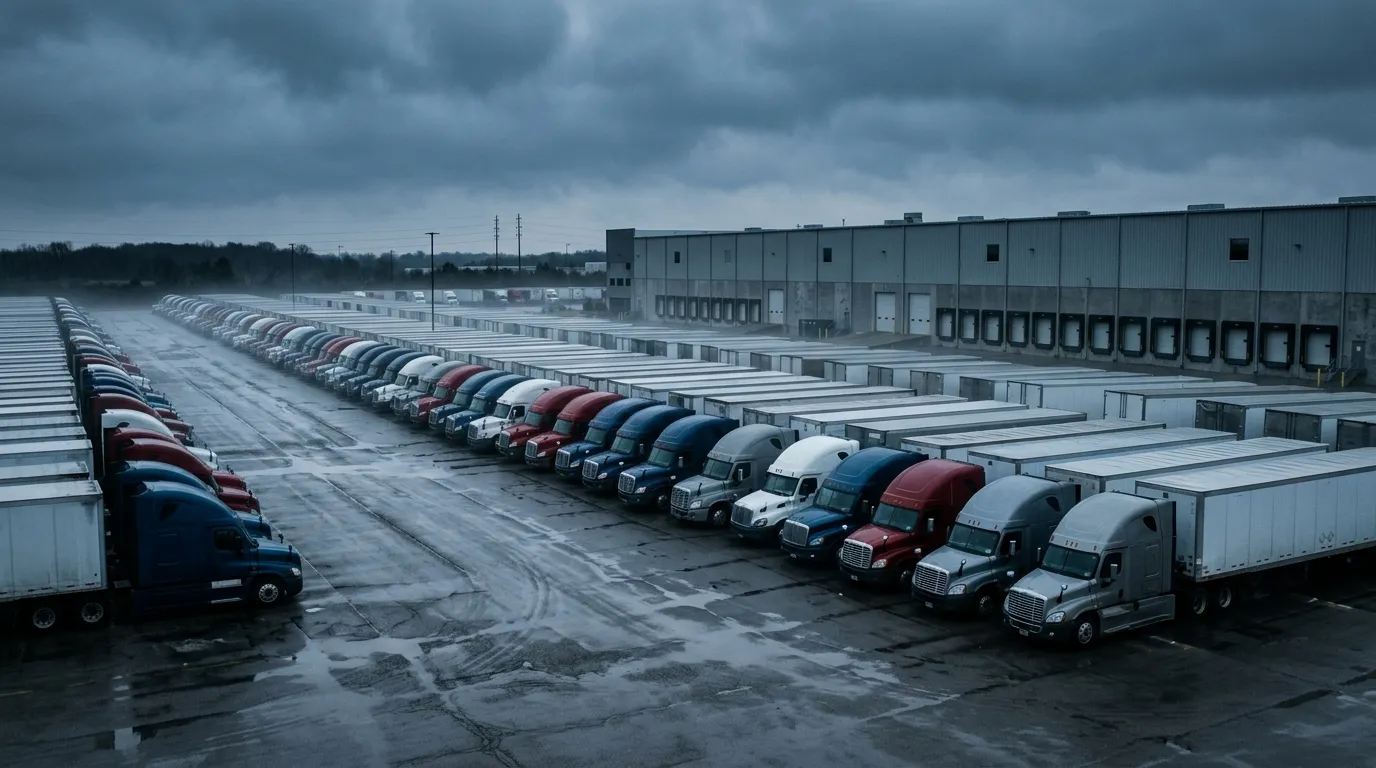
US shipping and transport companies and freight brokers continue a new wave of layoffs totaling over 7,000 jobs, amid ongoing margin pressure and declining demand for overland freight, extending the sector's downturn that began in early 2023.
Data from the FreightWaves index revealed that spot freight rates on domestic routes remain at their lowest levels in four years, with shipped cargo volume dropping by 8% year-on-year over the past three months.
Prominent logistics companies, including Echo Global Logistics and XPO, announced additional reductions in workforce, while dozens of small brokerage firms shut down completely, unable to withstand declining commissions and rising operational costs.
Forecasts indicate that recovery may be delayed until the first quarter of 2027, with no clear signs of a sustained rebound in demand, while surviving companies await mergers and acquisitions that will reshape the market. Analysts warn that the current wave of layoffs could lead to a severe shortage of drivers and skilled labor when demand returns, amplifying inflationary pressures on supply chains.
What do these terms mean?
Freight recession: A phase in which freight rates and corporate profits decline together, usually due to overcapacity in transport and weak demand for goods.
Freight brokers: Intermediaries who connect shipping companies with carriers for a commission; they are severely impacted when prices drop and margins shrink.
Spot freight rates: Freight transport prices agreed upon on the spot without prior contracts; their decline indicates overcapacity and weak demand.
Weekly Newsletter
Read between the lines before everyone else. Decode the most important economic, tech, and decision-maker movements in the region.. in 5 minutes every Saturday.