
Mega-Rounds Drive $4.75 Billion in Weekly Tech Funding
Industrial defense, AI battery storage, and nuclear energy startups secured massive capital allocations.
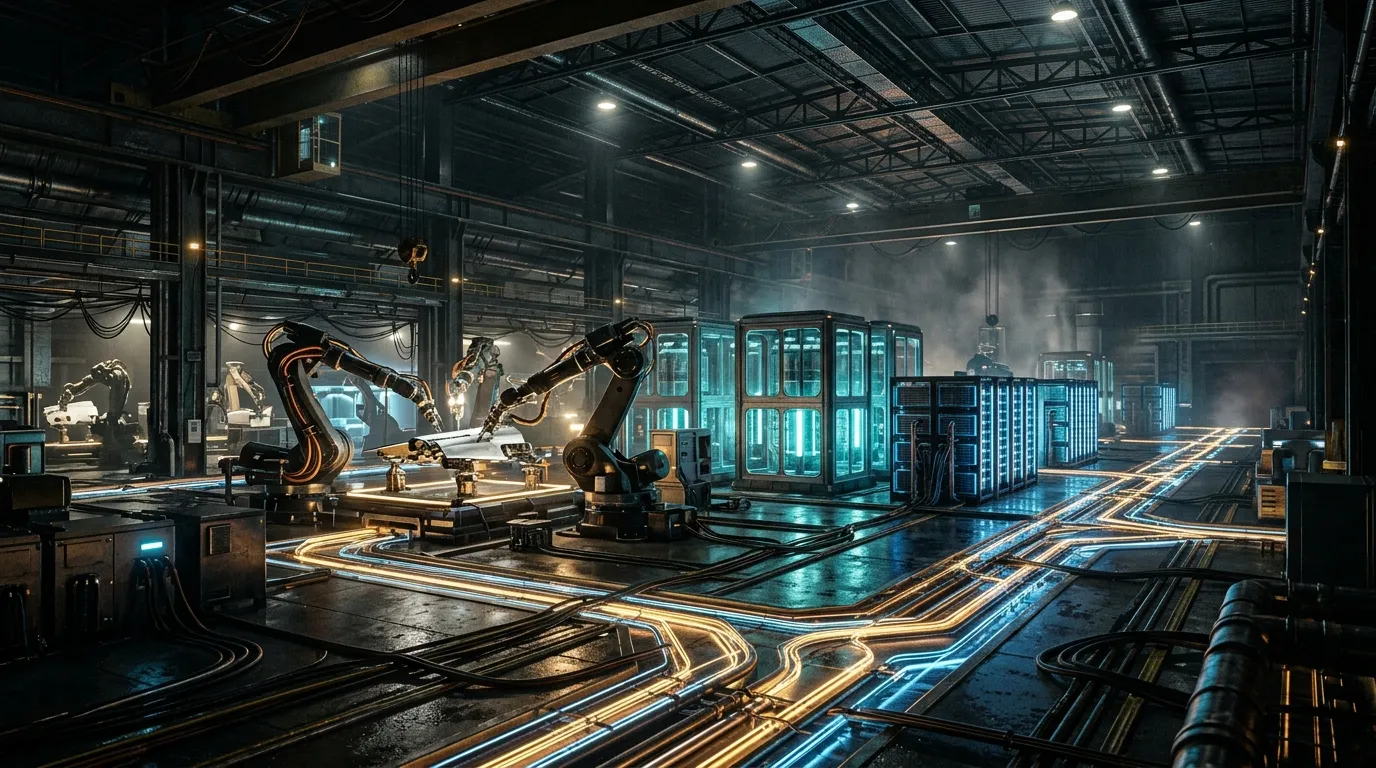
Ventures focused on AI infrastructure, defense manufacturing, and nuclear energy dominated venture capital activity in the week ending August 8, securing $4.75 billion across 14 disclosed funding rounds. Three individual deals surpassed the $1 billion threshold, highlighting investor appetite for large-scale physical and energy infrastructure.
Automated defense and aerospace factory developer Hadrian secured the largest transaction, raising $1.37 billion in a Series D round. Investors included WCM Investment Management, Washington Harbour, Valor Equity, 137 Ventures, JPMorgan, and Baillie Gifford. Meanwhile, Base Power closed a $1 billion Series D round to expand residential and grid battery capacity aimed at supporting artificial intelligence workloads.
Nuclear startup Valar Atomics also raised $1 billion in a Series B round led by Sequoia's Shaun Maguire, alongside Atreides, Point72, and Snowpoint, valuing the small modular reactor company at $6 billion post-money. In early-stage deal activity, stealth startup Riven Corp, founded by former Radical AI team members, raised $4.5 million, while fabric-care brand WashWise secured $1.2 million in pre-seed funding from FJ Labs and Singh Capital.
Looking ahead, legal AI startup Harvey is reportedly seeking at least $500 million in fresh capital. The potential deal will test investor appetite for frontier-lab-style valuation multiples within the legal technology sector.
Key terms explained:
Series D: A late-stage round following three earlier institutional raises, usually funding major expansion in production or markets.
Series B: The second major institutional round, raised once early results justify scaling up spending.
Seed round: A startup's first funding, used to build its initial product and team.
Valuation: The total value placed on a company when a round closes, set by what investors will pay for a stake.
Small modular reactors: Miniature nuclear reactors built in factories and shipped ready-made, pitched as faster and cheaper than conventional plants.
Grid batteries: Storage systems connected to the electricity network that discharge at peak hours, reducing the need for additional power plants.
AI load: The electricity drawn by servers training and running AI models — far heavier than conventional computing demand.
Weekly Newsletter
Read between the lines before everyone else. Decode the most important economic, tech, and decision-maker movements in the region.. in 5 minutes every Saturday.