
WTO Expects Global Trade to Grow 3.9% on AI Boom
The World Trade Organization raised its forecast for merchandise trade growth in 2026 to 3.9%, after chip and server sales drove nearly half of the first-half growth.

Listen to this story
The World Trade Organization raised its forecast for global merchandise trade growth to 3.9% during the current year, more than double its estimate last spring of 1.9%, according to The Associated Press. The organization projected growth to reach 4.1% next year, signaling a broader-than-expected improvement in the trajectory of international trade.
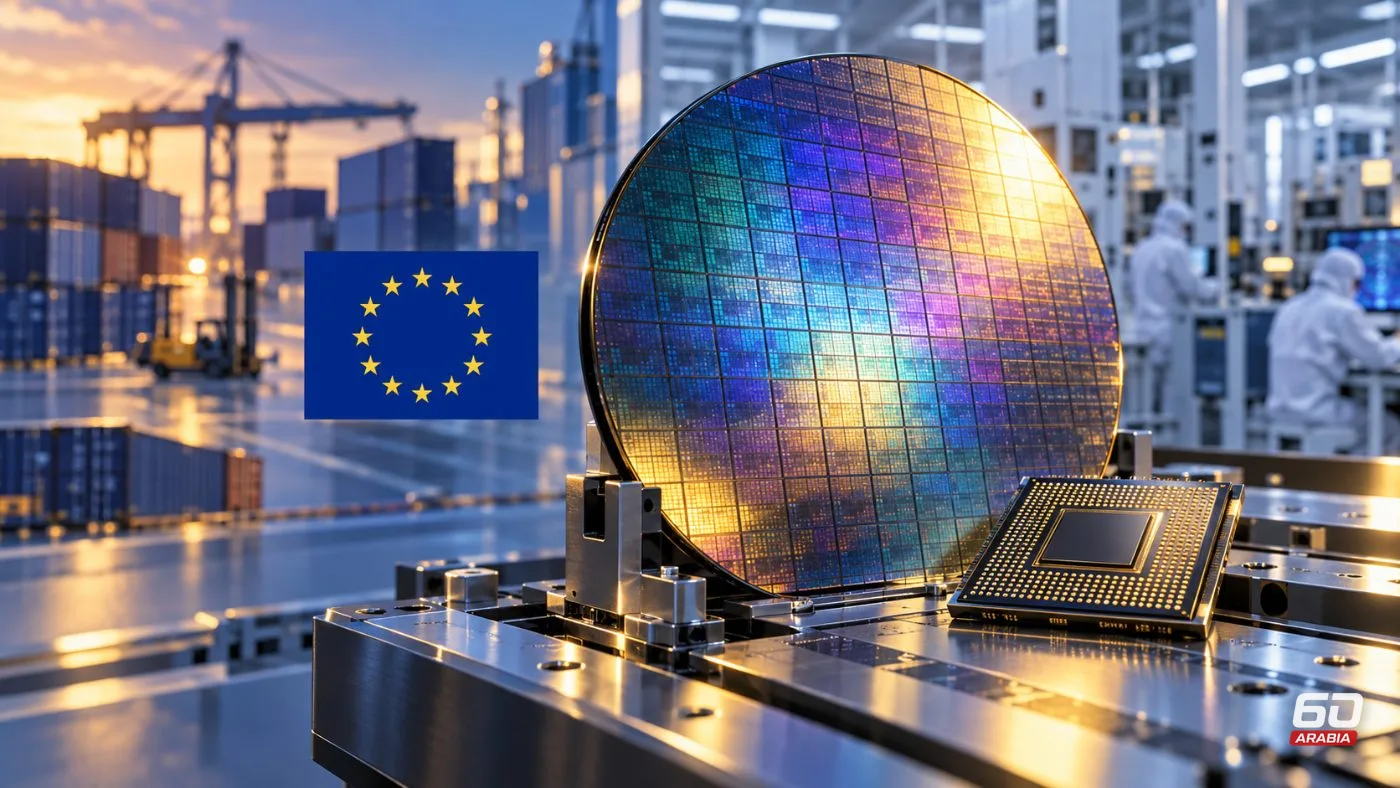
The organization attributed this significant improvement to rising demand for AI-enabled goods, led by semiconductors and servers, as these products alone accounted for 47% of total global merchandise trade growth in the first half of 2026. Trade in these products also rose by 67% compared to the same period last year, according to figures reported by the organization.
WTO Chief Economist Robert Steiger said forecasters were surprised by the strength of the AI investment boom, which proved stronger than expected, prompting the organization to revise its estimates upward. This reflects a gradual shift in the weight of trade growth from traditional consumer goods to digital infrastructure components.
The upward revision comes at a time when global economic trajectories diverge, as massive investments in data centers and chips support demand for capital goods, while trade flows face pressures from tariff policies and geopolitical tensions. Investors are watching whether this momentum is sustainable into next year or linked to a temporary spending cycle on AI technologies.
What do these terms mean?
Merchandise trade: The exchange of physical goods between countries, such as machinery, chips, and servers, forming the largest portion of global trade movement, as opposed to trade in services.
Semiconductors: Electronic chips that power devices from phones to data centers, serving as the foundation of all AI technologies.
Year-over-year growth: Measuring the change in a figure or indicator compared to the same period last year, to eliminate the impact of seasonal changes from the comparison.
Weekly Newsletter
Read between the lines before everyone else. Decode the most important economic, tech, and decision-maker movements in the region.. in 5 minutes every Saturday.