

NASA Engineer Explains How 'Data Gaps' Guide Moon Base Planning
A NASA engineer explains that a catalog of 'data gaps' helps identify what scientists do not know about the Moon and Mars, guiding the architecture of the Moon base.
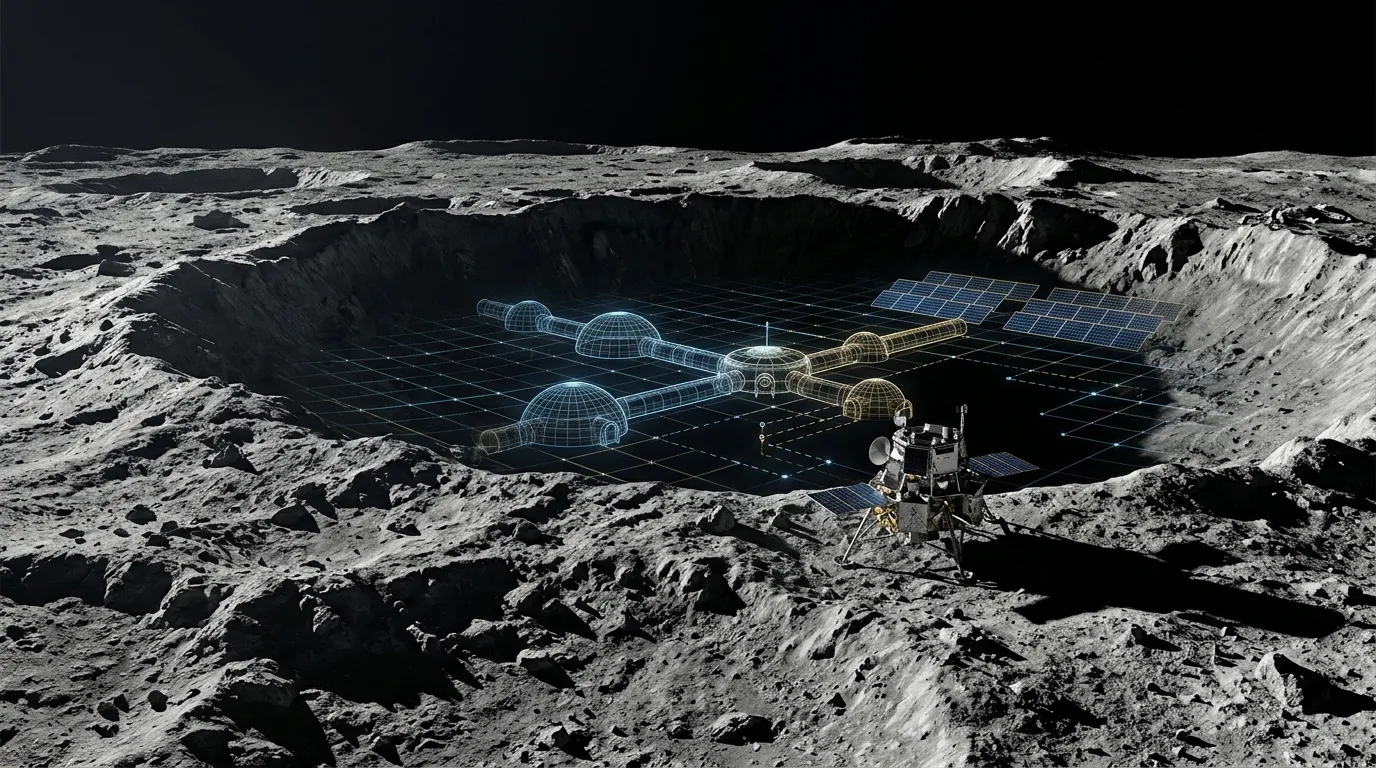
Richard Spolzino, an engineer at NASA's Langley Research Center, said his team compiles official records of what is unknown about the Moon and Mars, calling them 'data gaps,' to guide the design of the Moon base mission and ensure system interoperability, according to NASA.
The team published about 25 data gaps last year and expects the number to reach around 60 by the end of this year. This catalog gives the agency a clear picture of open questions before billions of dollars are invested in permanent lunar infrastructure. These records help teams avoid duplicating research and direct resources toward questions with the greatest impact on mission design.
Spolzino said his team helped Voyager prioritize the data sent to Earth by its Griffin-1 lander over a limited-capacity communication channel. Selection is made based on the importance of each piece of information for upcoming engineering decisions, rather than sending all readings.
This work comes as NASA and its commercial partners prepare for a series of missions to the lunar South Pole, a site likely containing frozen water. The size of the remaining gaps determines the sector's readiness to transition from exploration to long-term habitation.
What do these terms mean?
Data gaps: Official records cataloging what scientists do not know about a specific body or region. Mission architecture: The overall design of a space mission, including its hardware, tasks, and sequence of phases. Interoperability: The ability of different systems to work together and exchange data. Griffin-1: A lander belonging to Voyager targeting the Moon.
Weekly Newsletter
Read between the lines before everyone else. Decode the most important economic, tech, and decision-maker movements in the region.. in 5 minutes every Saturday.