

A Recipe Alone Does Not Make a Brand
Summary
You might have the best burger recipe on the market. But what happens when the brand opens a second branch? Will the customer there get the exact same taste? Because a recipe alone does not guarantee that.
You might have the best burger recipe on the market.
Excellent ingredients, a distinctive taste, and a chef who knows exactly how to deliver the product as required.
But what happens when the brand opens a second branch?
Will the customer there get the exact same taste?
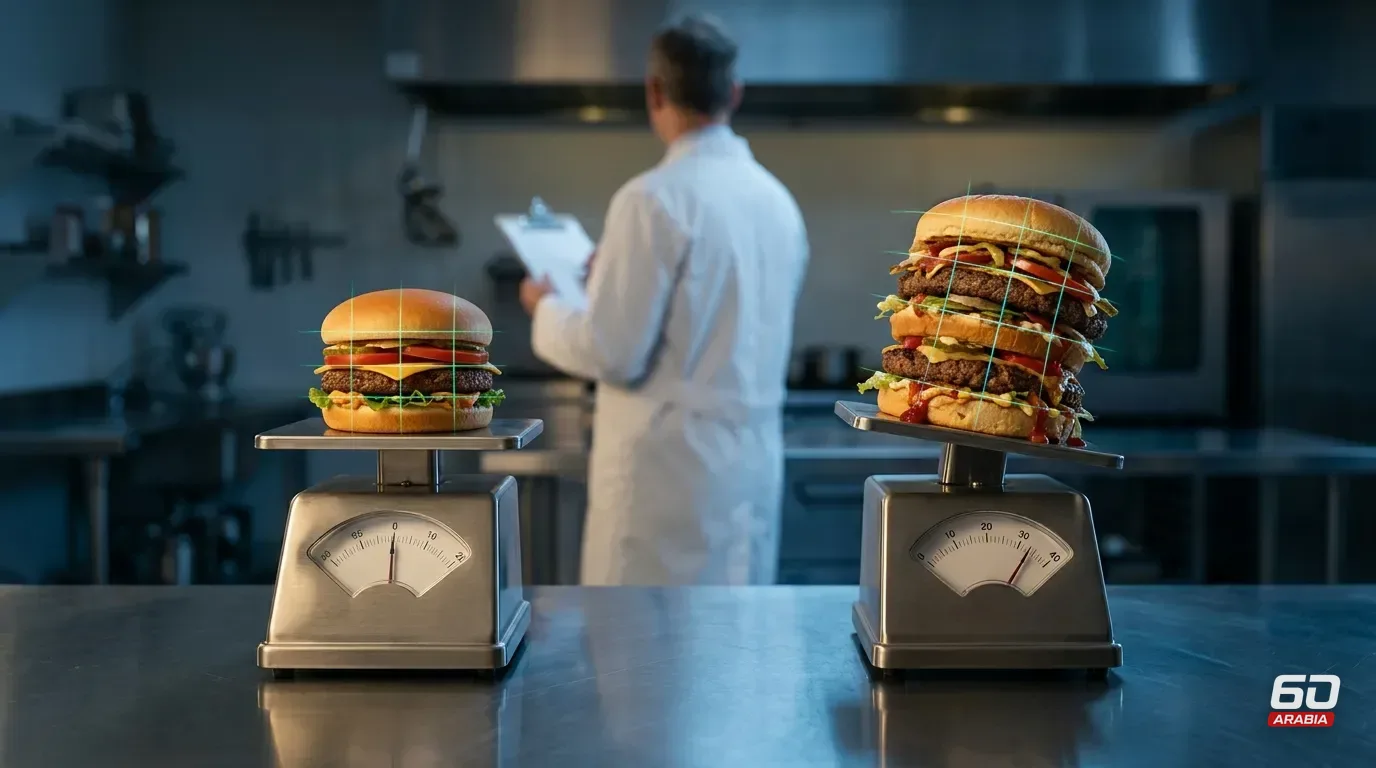
The same size?
The same degree of doneness?
The same presentation?
And the same experience as the first branch?
This is where the real problem begins.
Because a recipe alone does not guarantee consistency.
From Recipe to Standard
A recipe tells you what to do.
But a standard determines how you do it every single time.
For example, saying:
Put 150 grams of meat, add the sauce, and then grill the burger.
This is not a complete system.
A system needs to specify:
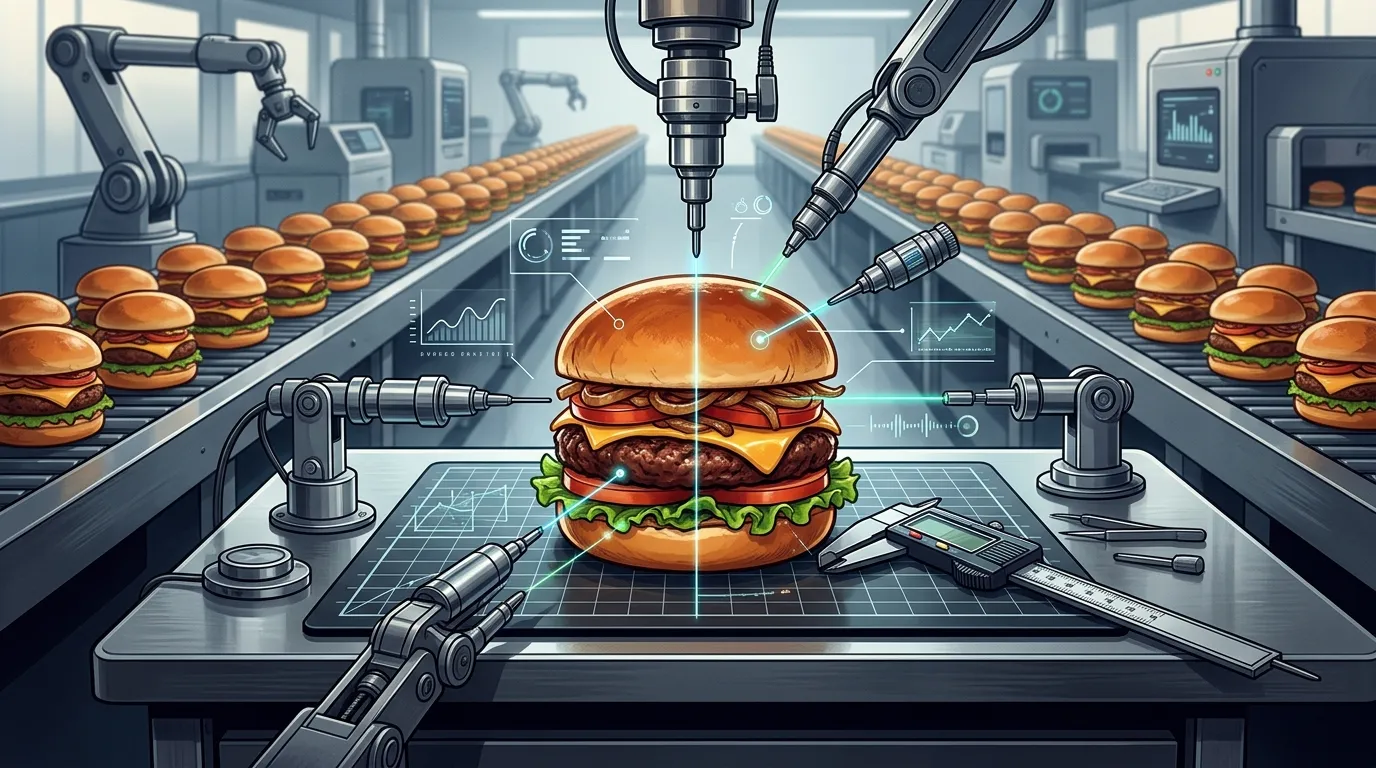
The exact patty weight.
Meat specifications and source.
Storage temperature.
Shelf life.
Sauce quantity.
Weight of each component.
Cooking temperature and time.
Assembly method.
The appearance of the final product.
And most importantly: How do we make sure all of this actually happens?
Consistency Doesn't Start Only in the Kitchen
If product specifications are unclear, purchasing will buy different raw materials.
If raw materials differ, production will differ.
If production differs, the end result will differ.
This is where the importance of the supply chain becomes clear.
The same recipe requires the same raw material specifications, not just the same item names.
For instance, the label "Chicken Breast" does not mean all suppliers offer the same quality, size, or yield.
That is why standardization starts before raw materials even enter the kitchen.
What Happens When the Brand Grows?
In a single restaurant, a chef or manager might be able to fix mistakes personally.
But when you have 10 or 20 branches, you cannot rely on having one person who knows "the right way."
You need a system that can transfer knowledge from an individual to an institution.
This is where the importance of the following comes in:
SOPs – Standard Recipes – Training – Quality Checks – Approved Suppliers – Specifications – Audits
These things might seem invisible to the customer.
However, they are what make the customer feel that the brand they visited at a branch today is the very same brand they visited a month ago at another branch.
A Real Brand Is Tested Through Consistency
A product succeeding once is not the test.
The real test is:
Can you replicate that same success 100 times?
Across 10 branches?
And with the same quality?
If the answer depends on a specific person, you don't have a system yet.
However, if the result can be replicated even with different people and branches, then you have truly begun building a scalable food brand.
A brand isn't built solely by what you offer to the customer… but by your ability to deliver it at the same standard, time after time.
What We Don't See Behind the Food Brand

Weekly Newsletter
Read between the lines before everyone else. Decode the most important economic, tech, and decision-maker movements in the region.. in 5 minutes every Saturday.