
When Operations Become Stronger Than the Brand
Summary
A food brand may succeed because of a standout product, a powerful marketing campaign, or an influential personality behind it. As the brand grows, the details to manage multiply: quality of raw materials, speed of service, staff training...
Article 10: When Operations Become Stronger Than the Brand
A food brand may succeed because of a standout product, a powerful marketing campaign, or an influential personality behind it.
However, as branches and orders increase, excellence alone is no longer enough.
The larger the brand grows, the more details there are to manage: quality of raw materials, speed of service, staff training, inventory availability, and operating costs.
Here lies the difference between a brand relying on its current success and a brand possessing a system capable of sustaining that success.
The brand attracts the customer, but operations determine whether they get the experience promised to them.
From Promises to Execution
Marketing may promise the customer a distinctive meal, fast service, and consistent quality.
However, fulfilling these promises requires an operational system that supports them.
If the brand promises delivery within 30 minutes, it must have the actual capacity to receive, prepare, and deliver orders in a timely manner.
And if it promises the same quality across all branches, there must be standardized specifications for materials, standardized recipes, training, and oversight on execution.
The problem begins when promises outweigh the operational capacity to deliver them.
In this case, a marketing campaign may succeed in attracting the customer for the first time, but it does not guarantee their return.
Does a High Volume of Procedures Mean Better Operations?
Not necessarily.
Some companies attempt to control expansion by adding more approvals, reports, and instructions, turning procedures from a tool for organizing work into a burden that slows it down.
On the other hand, other companies may rely on personal discretion without clear procedures or performance indicators, leaving results tied to the capabilities and experience of individuals.
The solution lies neither in an excess of procedures nor in their absence, but in designing clear, simple operations that achieve three goals:
Consistency: Maintaining a steady level of quality.
Efficiency: Utilizing time and resources in the best possible manner.
Control: Detecting deviations and addressing them before they turn into major problems.
A good process is not the one with the highest number of steps, but the one that achieves the required result with the least unnecessary complexity.
A Practical Example: Reducing Order Preparation Time
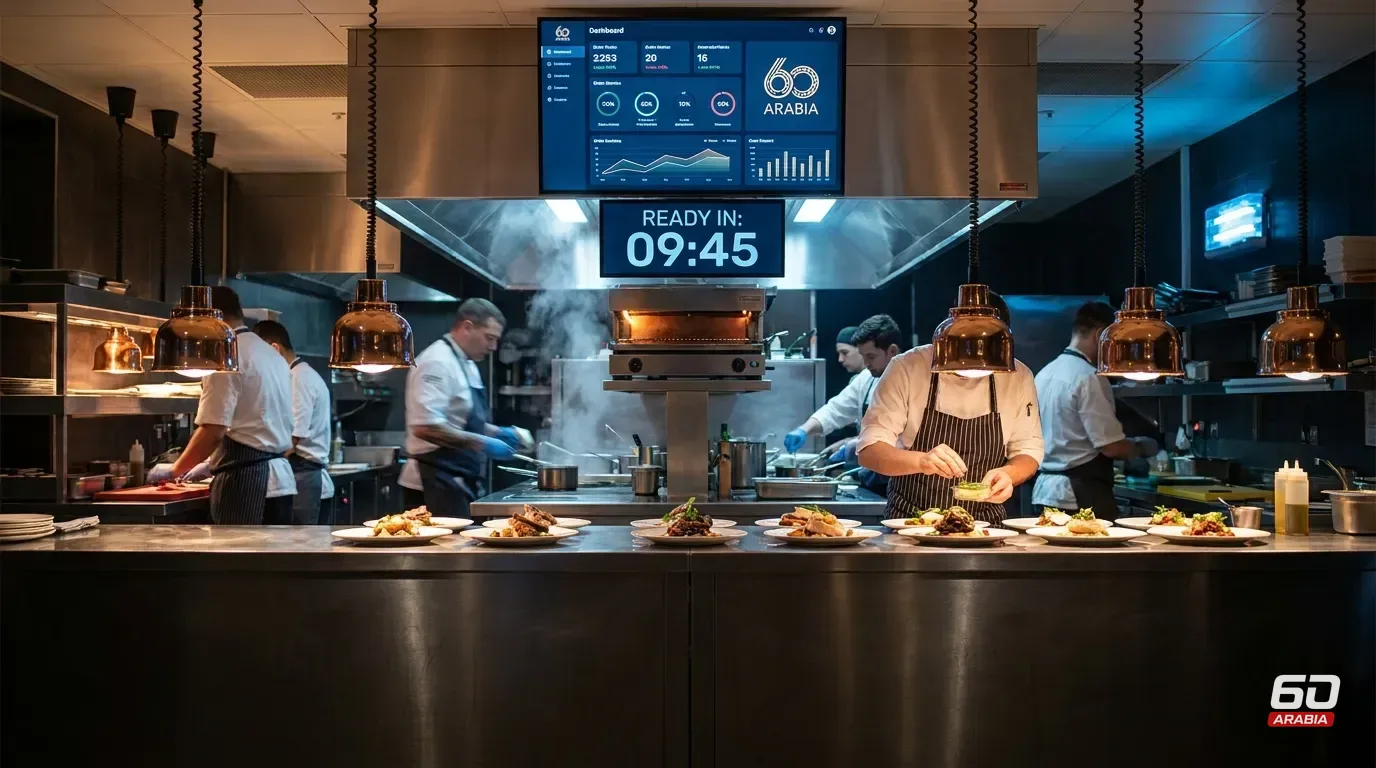
Suppose the average order preparation time in a branch is 15 minutes, while the brand targets reaching 10 minutes.
The superficial solution is asking employees to work faster.
The operational solution, however, begins by analyzing the actual time:
How many minutes does it take to prepare ingredients?
Are raw materials readily available in the workspace?
Is there overlap between preparation steps?
Are orders delayed due to staffing shortages during peak hours?
Are there breakdowns or steps that add no value to the customer?
The analysis may reveal that a large portion of the delay is caused by not prepping ingredients in advance or poor task distribution.
Then, station layouts can be optimized, prep work adjusted according to expected demand, staffing allocated based on operational load, and results measured.
In this way, speed improves without sacrificing quality or placing unnecessary additional pressure on staff.
When Do Operations Serve the Brand?
When they make quality repeatable, costs measurable, problems detectable, and expansion manageable.
However, management must not forget that operations are a means to deliver a better customer experience, not an independent goal in themselves.
If adhering to procedures becomes more important than sound decision-making, or if reporting becomes an end in itself, the organization may succeed in implementing the system while failing to achieve its purpose.
The best operational system is the one that protects brand quality without hindering its flexibility and ability to serve the customer.
Conclusion
The larger the brand grows, the less its success relies on individual effort and the more it depends on the quality of the system managing the work.
Marketing gives the brand a chance to attract the customer, and the product gives them a reason to try it, but cohesive operations help deliver an experience worth repeating.
In the next article, we will move on to the journey of the product itself and ask:
What happens before the burger reaches the customer's hands?
We will start from raw materials and suppliers, passing through planning, inventory, and transportation, to discover how many invisible decisions come together in a single meal that the customer sees for only a few minutes.

Supply Chain Manager with experience in procurement, planning, warehousing, inventory management, transportation, and logistics, focused on improving operational efficiency, optimizing costs, and developing processes and systems. I believe successful supply chains go beyond product availability. They require integrated planning, data-driven analysis, and effective decision-making to support sustainable business growth. I am passionate about turning operational challenges into opportunities for improvement, leveraging technology and AI to build more efficient, agile, and resilient supply chains.
Profile and all their articles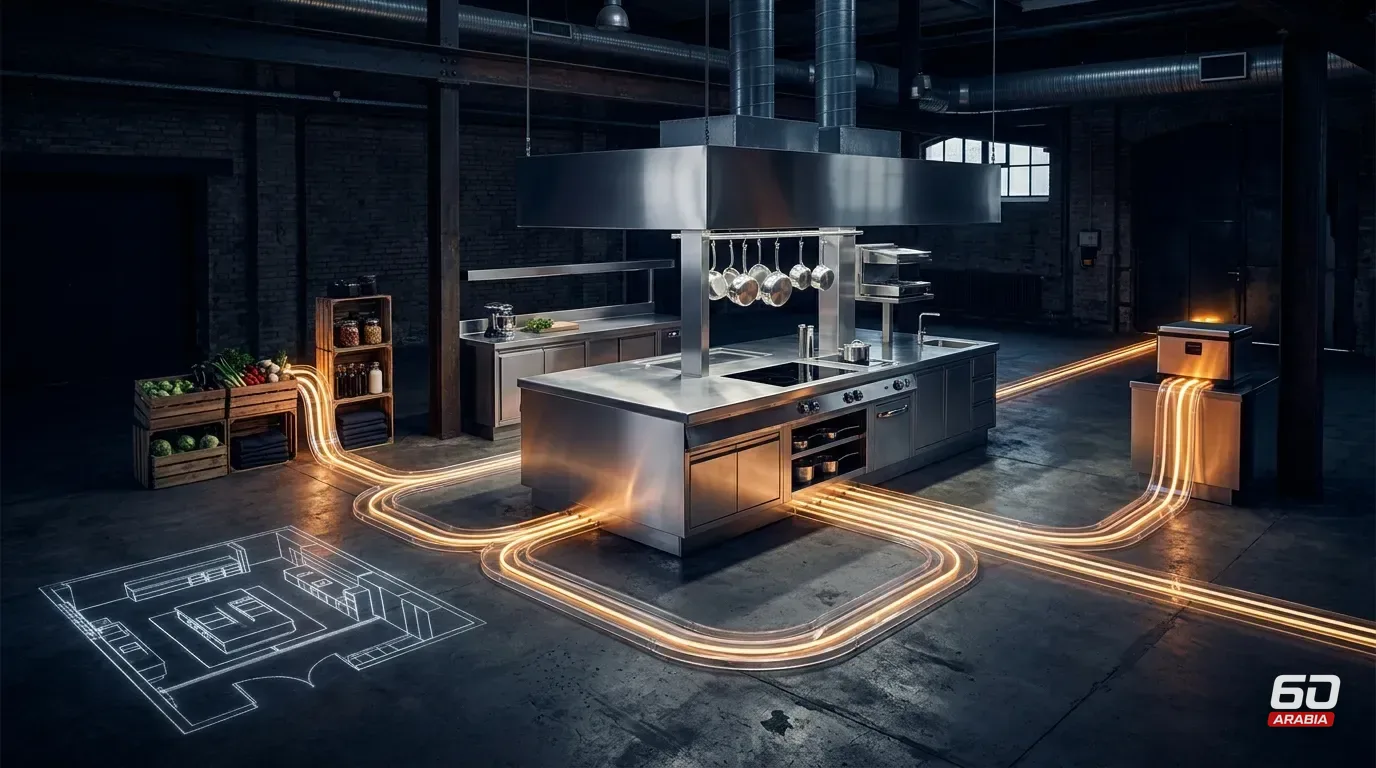

Weekly Newsletter
Read between the lines before everyone else. Decode the most important economic, tech, and decision-maker movements in the region.. in 5 minutes every Saturday.