

From a Successful Restaurant to a Food Brand
Summary
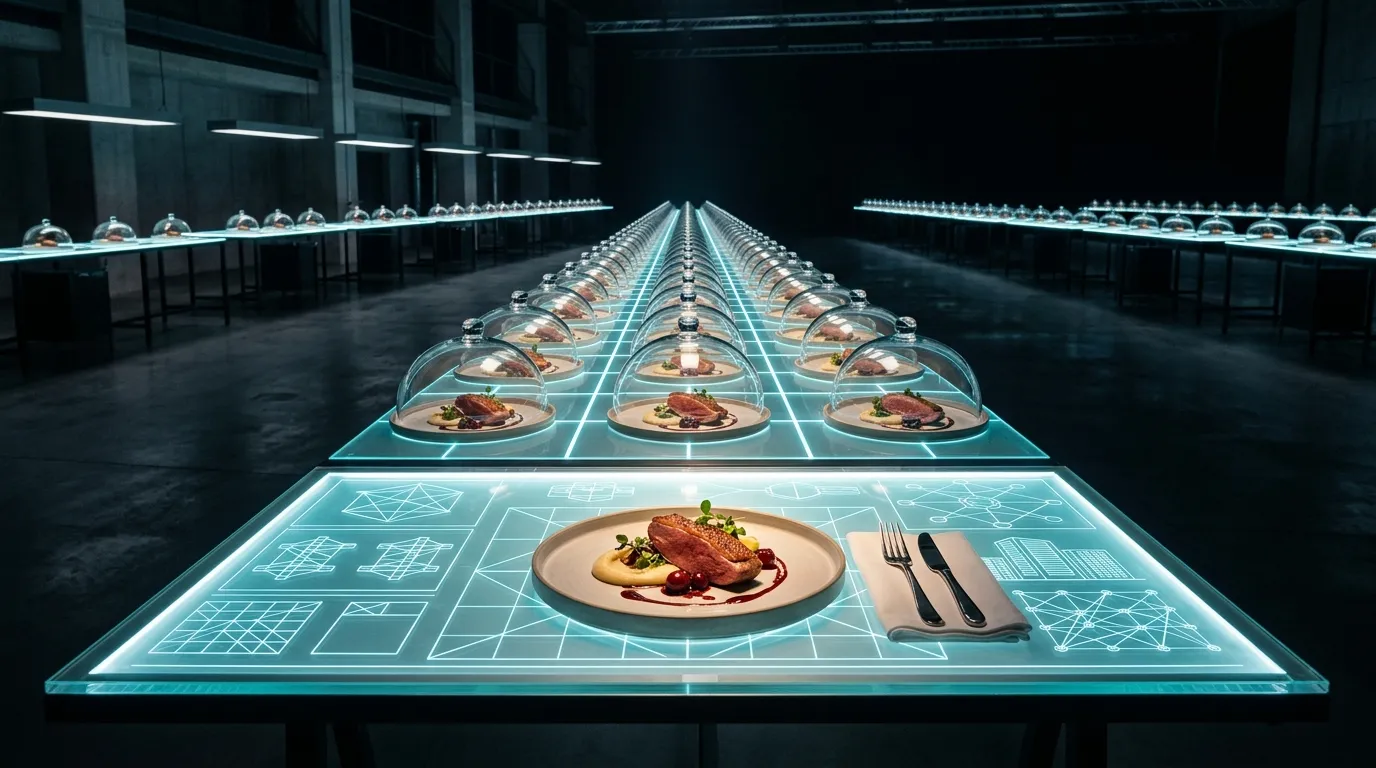
A single restaurant can be very successful. A signature product. Customers who love it. A team that knows how to run it. And a manager who oversees the details personally. But does this mean the business has become a Food Brand?
A single restaurant can be very successful.
A signature product.
Customers who love it.
A team that knows how to run it.
And a manager who oversees the details personally.
But does this mean the business has become a Food Brand?
Not necessarily.
Because the success of a single restaurant is one thing…
and the ability to replicate this success across multiple branches is something else entirely.
A restaurant relies on people… while a Brand relies on the system
In a single restaurant, a large part of the success may depend on specific individuals.
An excellent manager who knows every detail.
A chef who maintains quality.
Employees who know the workflow.
And a business owner who intervenes in almost every problem.
But what happens when the restaurant opens a second branch?
Then a third?
Then ten branches?
The business owner cannot be everywhere.
Nor can quality depend on the presence of a single person.
This is where the transition begins from:
People-Dependent Business
To:
System-Driven Business
What makes success replicable?
For the experience to succeed in a new branch, core operations must be transferable and replicable.
Such as:
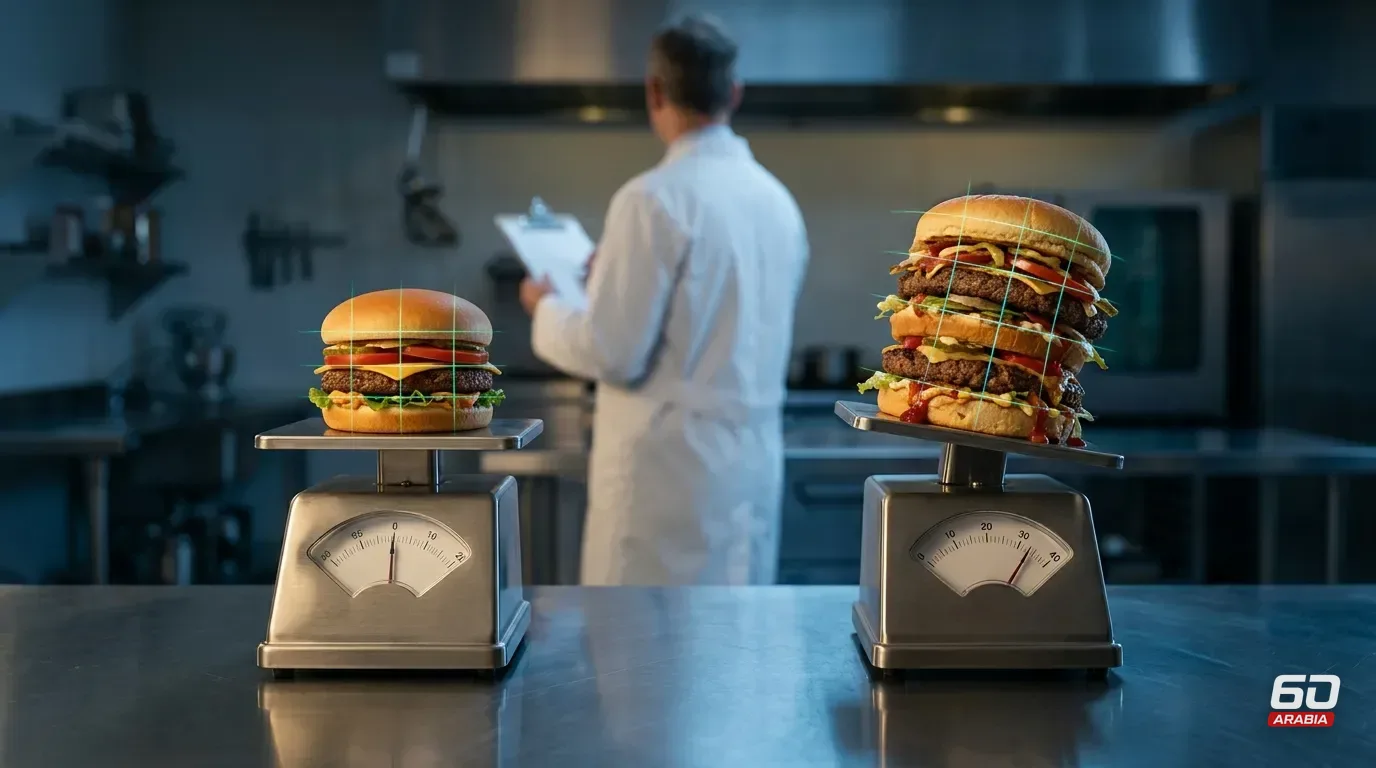
Standard Recipes
The same specifications.
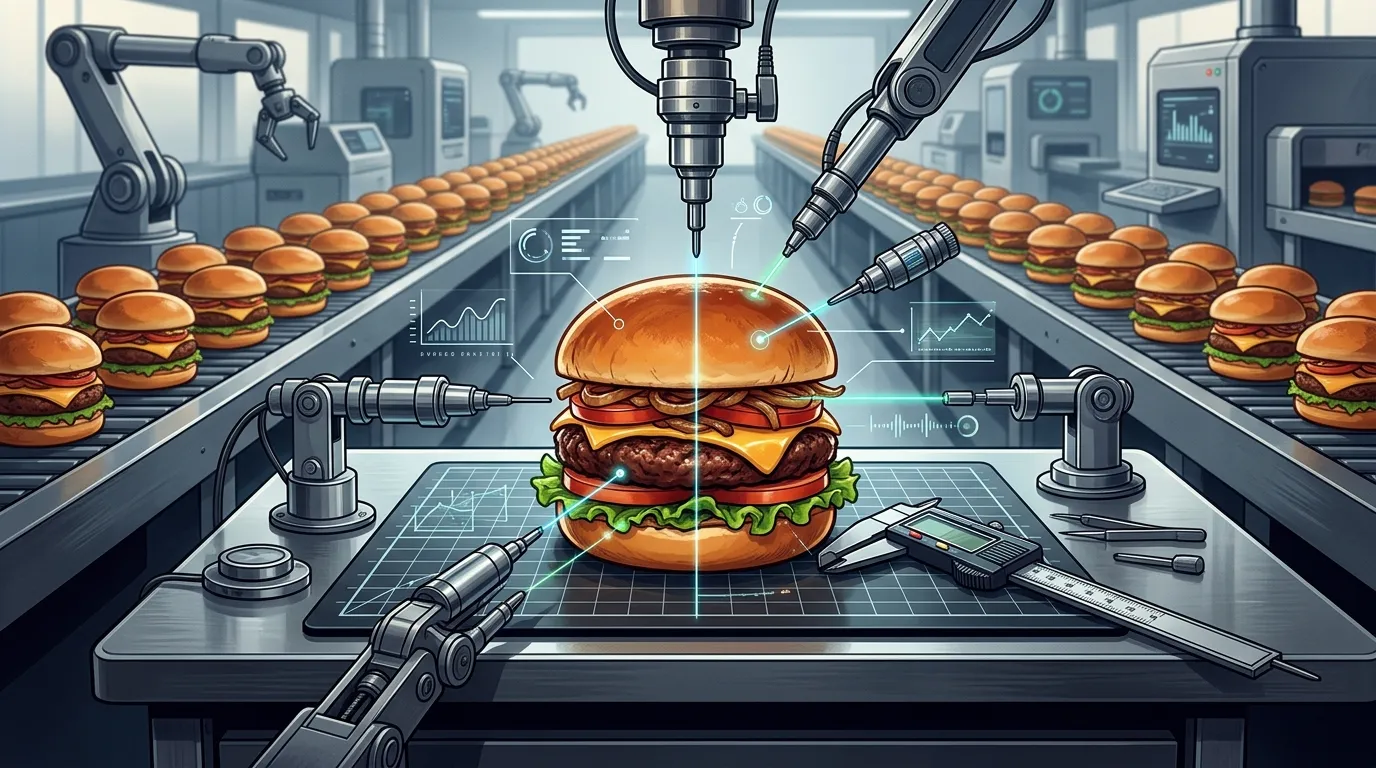
SOPs
The same operational execution method.
Training
The same level of qualification.
Quality Standards
The same quality standards.
Procurement Standards
The same raw material specifications.
Inventory Controls
The same inventory management rules.
Performance KPIs
The same performance measurement method.
Only then does the success of the first branch cease to be just a successful experiment…
and becomes a replicable Model.
And here lies the role of the Supply Chain
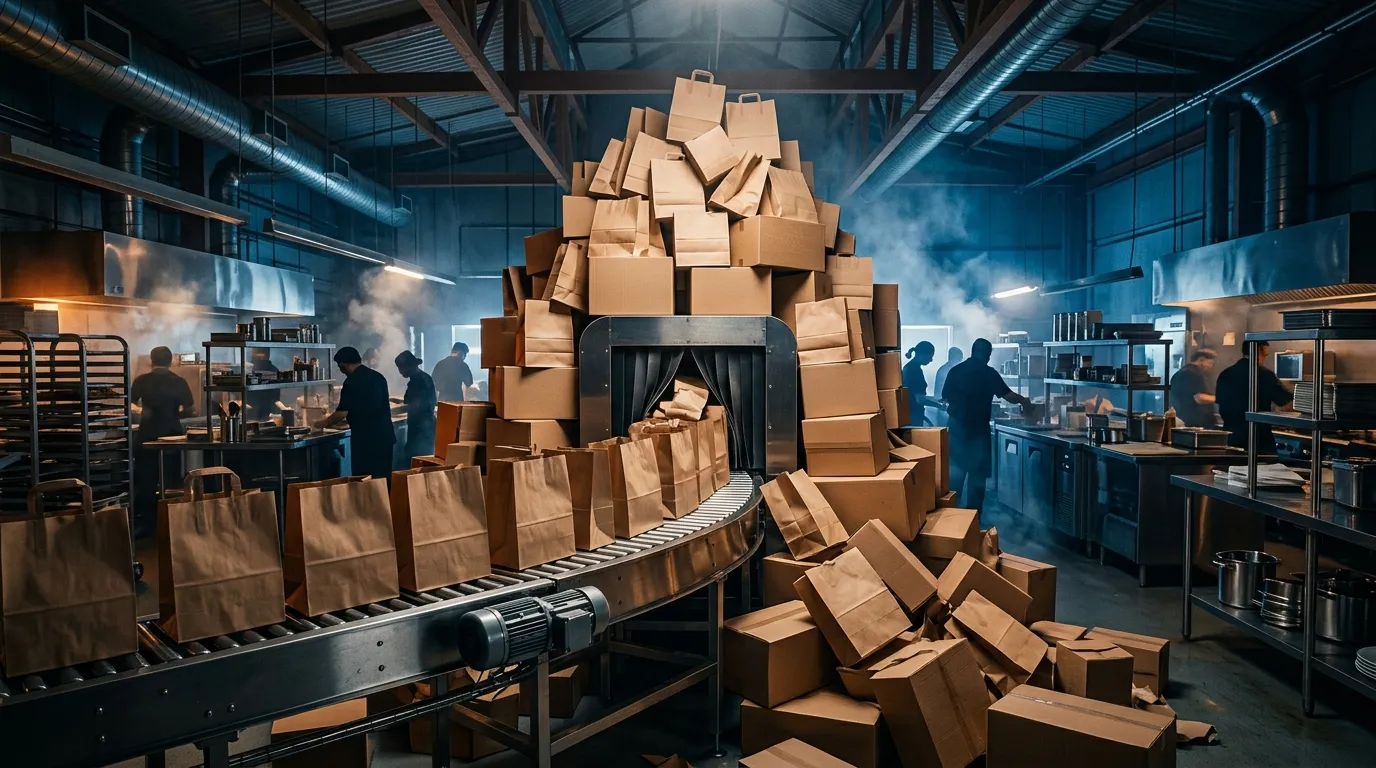
Imagine that the first branch uses a specific raw material of a certain quality.
When opening five branches, can you provide the same raw material with the exact same specifications?
Can the supplier cover the required quantities?
Do you have backups?
Are storage and transportation suitable?
And can you maintain the same quality across all locations?
If the answer is no, then there is a problem with Scalability.
Because a brand doesn't just sell a recipe.
It sells a consistent promise to the customer.
And the Supply Chain is a fundamental part of fulfilling that promise.
The second branch is the real test
Sometimes the first branch succeeds because the location is prime.
Or because the founder is physically present.
Or because the team is strong.
Or because demand for the product is high in that specific area.
But when the second branch opens, some of these advantages disappear.
And here we discover:
Is the model itself successful?
Or was the first branch an exceptional case?
This makes the second branch more than just a new location.
It is a test of the Business Model.
When does a restaurant become a Brand?
When management can say:
"What succeeded here, we can replicate there."
Not because we will copy everything literally.
But because we have:
a clear system,
clear standards,
data,
training,
a capable Supply Chain,
and a control mechanism that prevents inconsistency in experience.
Then the business begins its transformation from a successful restaurant into a scalable Food Brand.
Conclusion
Opening a new branch is not true expansion.
True expansion is being able to open a new branch without losing what made the first branch successful.
And herein lies the difference between:
a Restaurant
and
a Food Brand.
The former may succeed once.
While the latter builds a system capable of repeating that success.
In the next article, we will delve into one of the most important parts of the series:
A recipe alone does not make a brand
Because the question is not just:
"Do we have a successful recipe?"
But rather:
"Can we produce the same result every single time… and in every branch?"
What We Don't See Behind the Food Brand
Weekly Newsletter
Read between the lines before everyone else. Decode the most important economic, tech, and decision-maker movements in the region.. in 5 minutes every Saturday.