Your Project Could Be a 100% Success and Still Be the Worst Decision in the Company's History
Summary
A project completed on schedule, stayed within budget, and achieved all its operational goals. But what if it delivered no real value? Do we celebrate execution success, or do we hold accountable the one who made the investment decision?
The most dangerous type of failure in project management is the one that receives an official certificate of success.
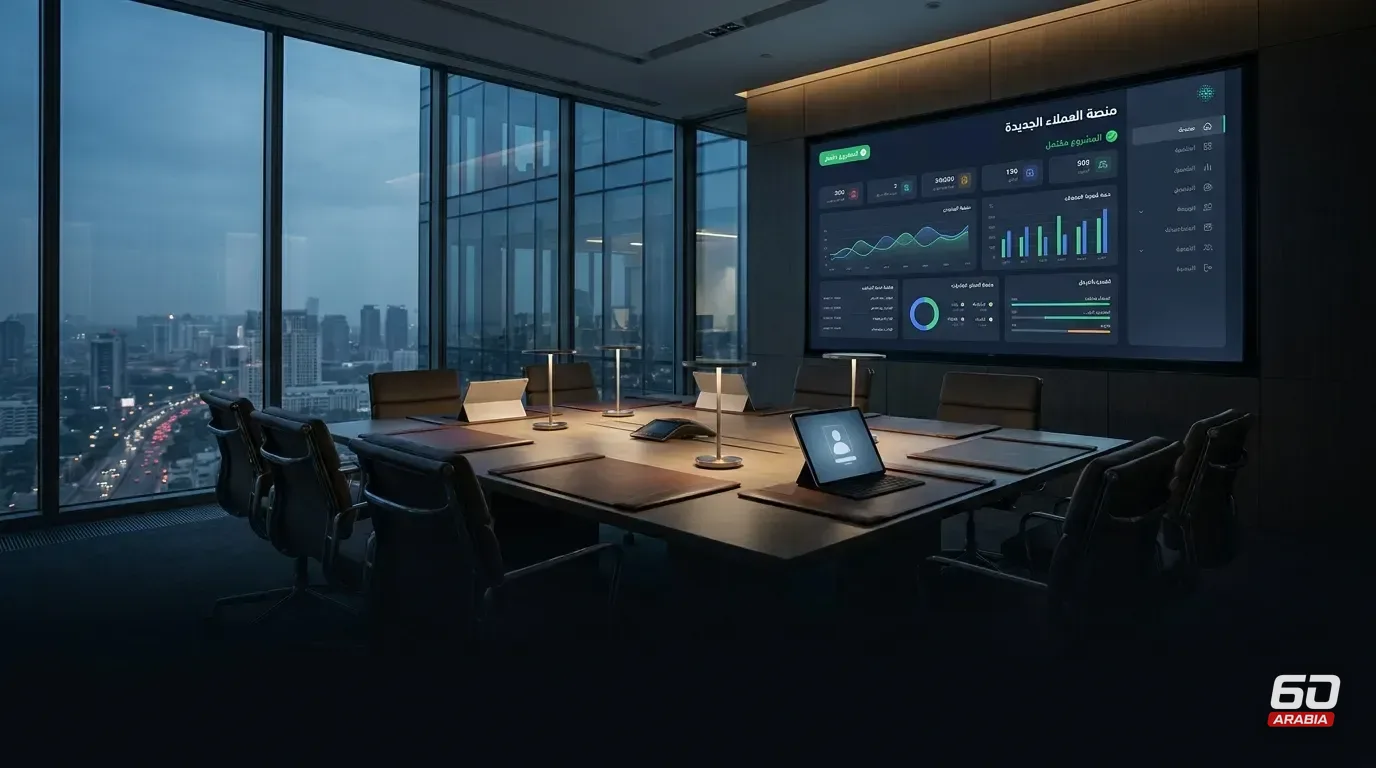
Imagine an organization that invested millions of dollars in developing a digital platform to serve its customers. The project finished on time, stayed within the approved budget, passed all quality tests, and stakeholders signed the final sign-off document.
From the project manager's perspective, this is a success story that is hard to dispute.
Six months later, the truth emerges: platform usage is far lower than expected, customers still prefer phone calls, employees are now managing two systems instead of one, and operational costs have not decreased.
The project succeeded, but the organization did not receive the value it paid for.
Who is responsible here?
The question that bothers me in many organizations is: Why does adhering to the scope of work become more important than verifying the viability of the work itself?
We have learned to measure project success through time, cost, scope, and quality. These are crucial elements, but on their own, they do not answer the most important strategic question: Was this project worth executing?
A project manager may execute what was requested with complete efficiency, while the original investment decision was wrong. Therefore, it is unfair to hold the project manager solely responsible for value failure; there is a project sponsor, an owner of expected benefits, and leadership that chose the investment and defined its objectives.
However, that does not exempt professionals from asking the tough questions before starting.
Are we solving a real problem or fulfilling a managerial whim? Does the customer need this new feature? And will delivering the outputs lead to behavioral change, experience improvement, or measurable economic value creation?
The most dangerous thing that can happen is for project management to turn into a fine-tuned industry for executing decisions that no one has tested.
This is why I see a clear need to separate three levels: delivery success, adoption and usage success, and investment success.
The first answers the question: Did we deliver what we promised?
The second: Did the beneficiaries use it as we expected?
And the third: Did it achieve an impact worthy of the resources we consumed?
None of these levels can be ignored, nor should they be reduced to a single indicator.
My position is clear: executing an unnecessary project with high efficiency does not turn it into a good project; rather, it makes it a disciplined waste.
And leadership that does not ask why we started the project will discover too late that its hardest decisions were not during execution, but in approving the start.

Ahmad Aly Eldabaa is a Project Management and Execution Systems expert specializing in project delivery, PMO development, and helping organizations translate strategy into measurable execution. He is the founder of AJAX Training & Consulting and the creator of APPM, a practice-driven project management approach designed to go beyond tools and certifications by developing the mindset, judgment, leadership, and execution capabilities required in real-world projects. Throughout his career, Ahmad has worked across training, consulting, organizational development, and execution system design with professionals and organizations from multiple industries. He has also served as a Project Management instructor at the School of Business, The American University in Cairo. His philosophy is built around a simple idea: Project Management is not only a profession; it is a way of thinking. It is the discipline of turning ambition into structure, decisions into action, and action into results. Tod
Profile and all their articlesProject Pulse Arabia



Weekly Newsletter
Read between the lines before everyone else. Decode the most important economic, tech, and decision-maker movements in the region.. in 5 minutes every Saturday.