

US PCE inflation rose to 3.8% as economic growth reached 4.3%
مؤشر أسعار نفقات الاستهلاك الشخصي في أمريكا ارتفع إلى 3.8% في أكتوبر، بالتزامن مع تعديل نمو الناتج المحلي الإجمالي للربع الثالث بالرفع إلى 4.3%.
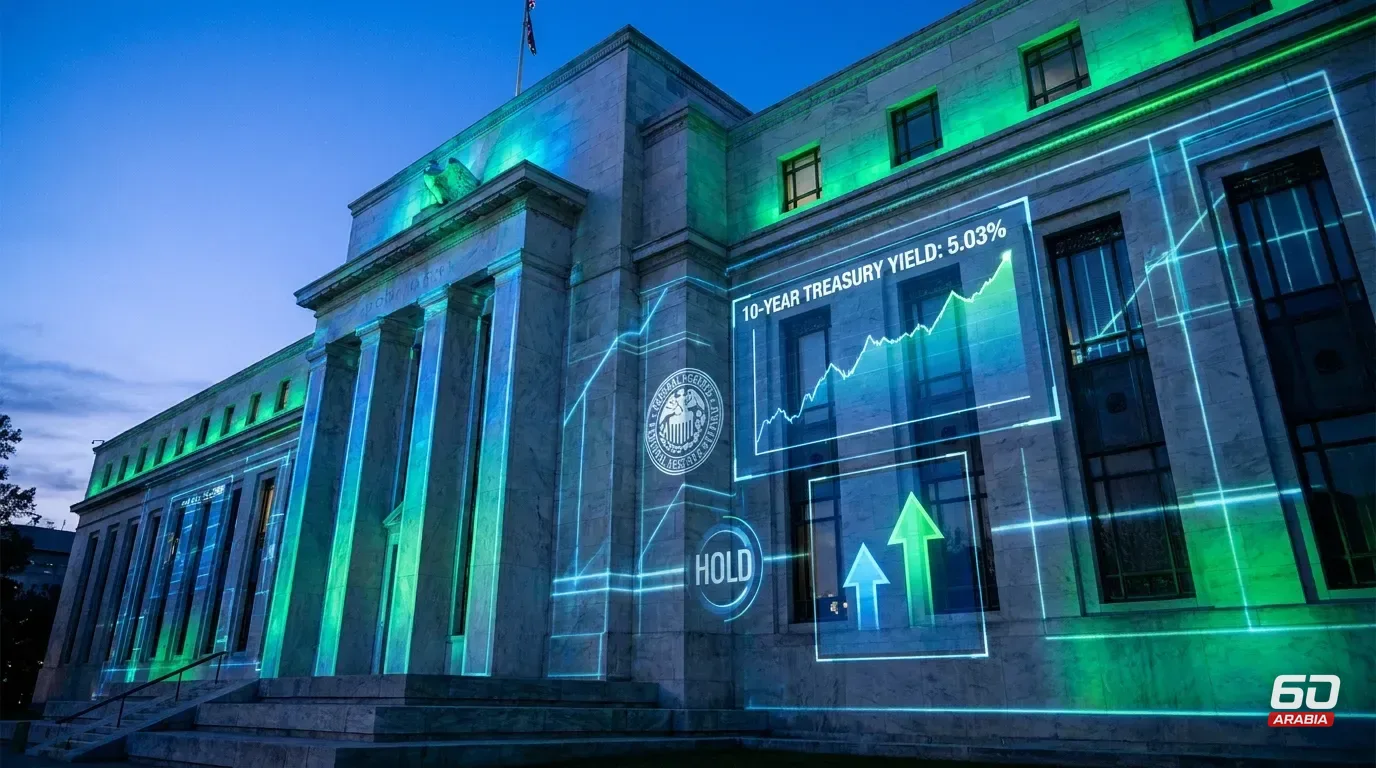
United States economic data released on Wednesday, November 25, 2026, showed October headline personal consumption expenditures (PCE) inflation rising to about 3.8% year-over-year. The figure increased from the previous month, according to data cited by Kitco PM Report.
Core PCE inflation, which excludes volatile food and energy costs, climbed to roughly 3.3%, marking its highest level since 2023. A pre-release nowcast from Oxford Economics had previously flagged broadening inflation pressures, noting that food inflation was bleeding into core categories.
Revised third-quarter GDP growth for 2026 reached around 4.3%, according to the reported data. This economic expansion exceeded market expectations, which had anticipated growth of roughly 3.6%.
Futures markets subsequently raised the probability of a 25-basis-point Federal Reserve rate hike at the December 8-9 FOMC meeting to above 95%. Trading Economics also reported a near 60% probability assigned to an additional rate increase in January.
Following the data releases, the 10-year US Treasury yield ended the session at around 4.85%, while the US dollar remained firm. Separately, the Trump administration proposed new tariffs on China, Japan, and the European Union on the same day.
What do these terms mean?
PCE inflation: Personal Consumption Expenditures inflation measures the price changes paid by consumers for domestic goods and services, serving as the Federal Reserve's preferred inflation gauge.
Core PCE: A variation of the PCE price index that excludes volatile food and energy costs to show underlying inflation trends more clearly.
Nowcast: An estimate of the current economic condition using high-frequency data available before official statistical releases.
GDP: Gross Domestic Product measures the total monetary value of all finished goods and services produced within a country during a given period.
Basis point: A financial unit of measure equal to one-hundredth of a percentage point, standard for interest rate calculations.
FOMC: The Federal Open Market Committee is the Federal Reserve body responsible for directing national monetary policy and interest rate decisions.
Weekly Newsletter
Read between the lines before everyone else. Decode the most important economic, tech, and decision-maker movements in the region.. in 5 minutes every Saturday.