
The economics and symbolism of striped clothing from medieval Paris to Riyadh
Summary
Striped patterns derive their commercial and cultural meaning from context, evolving from medieval outcast attire into trademarked luxury icons and regional heritage.
Listen to this article
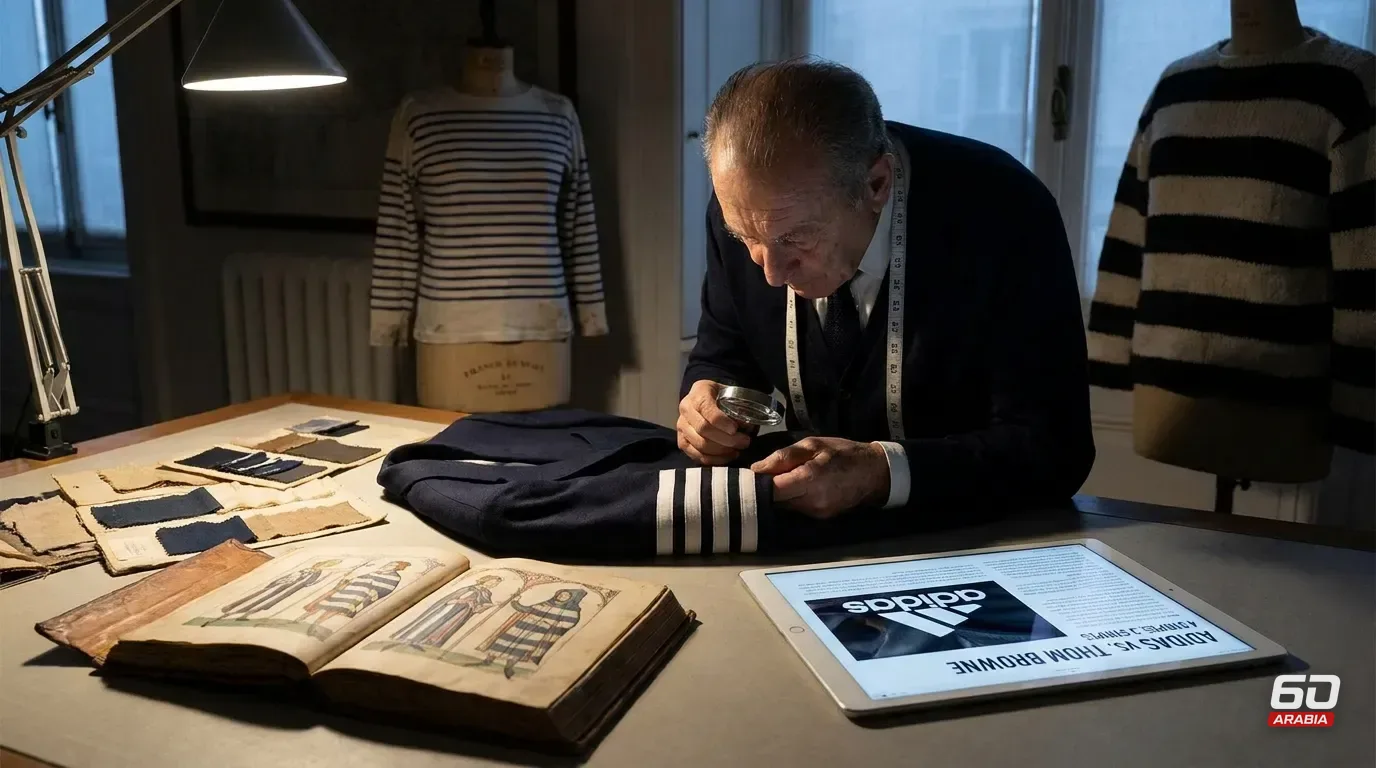
In 1254, a group of Carmelite friars arrived in Paris from the Holy Land wearing striped mantles. Their own order describes the original cloak as striped with seven bars, four white and three black. Paris was scandalised. The friars clung to their stripes for decades, through orders from a long line of popes, and finally swapped them for a plain white mantle at the Chapter of Montpellier in 1287. Pope Boniface VIII later banned striped clothing for religious orders altogether.
The devil’s cloth
Why the panic? To medieval eyes, a stripe was disorder made visible. The historian Michel Pastoureau, in The Devil’s Cloth, shows how striped clothing was relegated to “those on the margins or outside the social order”. Painters dressed the devil in stripes. Society dressed its outcasts in them. Prostitutes, hangmen, clowns, heretics and lepers were all marked this way at one time or another.
So “illegal” is almost right. Stripes were forbidden to the respectable and imposed on the outcast. The fabric stayed the same. Only the rule about who could wear it moved.
How a stigma became a classic
Six centuries later, the French Navy put the stripe on its sailors. An 1858 regulation made the striped knit part of the uniform for seamen in Brittany, with twenty-one white stripes, each twice as wide as the blue. The story that the stripes count Napoleon’s victories is a myth. Knitting machines simply made stripes easy to produce.
Coco Chanel watched fishermen near Deauville and put a short striped smock in her 1917 collection. Yves Saint Laurent and Jean Paul Gaultier did the rest. Meanwhile, American prisons kept their inmates in black and white stripes into the early twentieth century. The same pattern, in the same decades, meant holiday chic on one body and punishment on another.
Translation: a pattern means whatever the people looking at it agree it means.
Three stripes in court
The stripe still has rules. In 2019, Europe’s courts upheld a decision invalidating one of Adidas’s three-stripe trademarks after a challenge from the Belgian company Shoe Branding Europe. In January 2023, a New York jury took less than two hours to decide that Thom Browne’s four stripes did not infringe Adidas’s three. Browne had used three stripes until Adidas complained in 2007. He added a fourth. Adidas said it would “continue to vigilantly enforce our intellectual property”. A pope could once ban a stripe. Today a sportswear giant can sue over one, and sometimes lose.
What it means in the region
Here, bands of colour were never the devil’s work. Al Sadu, the weaving of the Bedouin, builds its textiles from bold bands and geometric patterns, and UNESCO lists it as intangible heritage in Saudi Arabia and Kuwait and in the UAE. The same visual idea that once shamed a friar in Paris carries pride in a Gulf tent.
I teach fashion as a language of signs, and the stripe is the best lesson I know. A sign has no fixed meaning. It borrows one from the people reading it.
What to do with your next stripe
Read it in your customer’s language, not the trend report’s. A pinstripe says banker in London. A woven band says heritage in Riyadh. Before you print, ask what the pattern already means to the woman who will wear it.
Check the sportswear trap. Parallel stripes on sleeves, trouser seams or trainers sit in contested legal territory. Search the trademark registers in every market you sell in before production, not after the first letter arrives.
Cost the stripe properly. A striped style needs more cloth than its plain twin, because the stripes have to meet at the side seams and the pockets. Matching stripes is like plating a dish: every line has to meet, and the customer notices the one that doesn’t. Put stripe matching in the tech pack, or the factory will decide for you.
Credit the heritage you borrow. If your bands come from Al Sadu, work with the weavers and say so. A borrowed sign without its story reads as theft, and customers in this region read signs well.
The stripe went from the devil’s cloth to the Chanel boutique. Nothing about the stripe changed. Everything about the people looking at it did.
Sources:
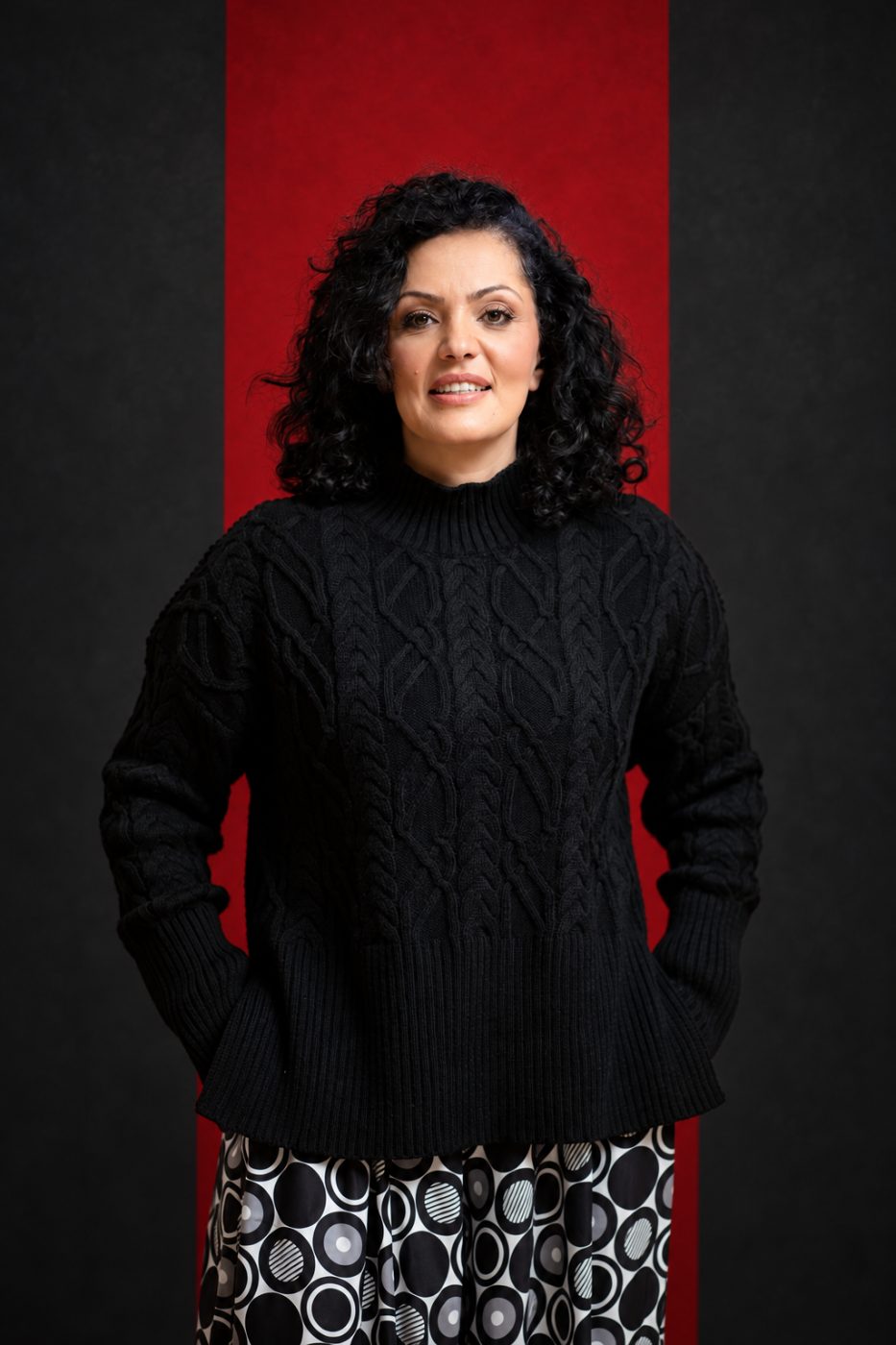
Bardees A. Gamal is a writer and fashion business specialist covering the Arab world's fashion economy, from factory floor to shop floor, and why promising brands stall. She founded the Cairo label Bardees Designs and Fashion Production Services (FPS), a production house that has worked with more than 40 brands across the region, and teaches fashion business in Egypt and the UAE.
Profile and all their articlesThe Fashion Economy Arabia
How Egyptian Fashion Brands Can Profit From Global Textile Recycling
Egypt sets two million pound fines for fake White Friday discount claims

Dubai's Malls Are Full Again. Its Fashion Tills Are Not.
Your UAE Customer Asks AI First. Can It Find Your Brand?
Weekly Newsletter
Read between the lines before everyone else. Decode the most important economic, tech, and decision-maker movements in the region.. in 5 minutes every Saturday.