
Your UAE Customer Asks AI First. Can It Find Your Brand?
Summary
Shopping assistants landed this month, and the UAE uses AI more than any country on earth. If your catalogue lives in DMs, the machine cannot recommend you.
Listen to this article
In the first week of October, the shopping machines moved in. On 1 October, OpenAI launched virtual try-on inside ChatGPT’s shopping results, worldwide. On 5 October, TikTok launched an AI shopping assistant that answers questions about sizing and shipping, with one-click checkout from the feed. A day later, Shopify told its merchants this is the first holiday season of the agentic era. Its own survey says 65 percent of shoppers plan to use AI for at least one shopping task this season.
None of this should surprise anyone who read The State of Fashion 2026. BoF and McKinsey reported that shopping-related searches on generative AI platforms grew 4,700 percent between July 2024 and July 2025, and that nearly a quarter of consumers already start their shopping with generative AI.
Two years ago, the same report was asking a different question. In The State of Fashion 2024, 73 percent of executives called generative AI a priority, and the conversation was about what it could make for brands: campaign images and design ideas. The question has turned around. In 2024 it was what AI could make for you. In 2026 it is whether AI can find you.
What the coverage assumes
Read the announcements closely and they describe one shopper. She is American, her card is saved, the brand she buys from runs its website on Shopify, and every product is described in English. TikTok’s figures are American. Shopify’s piece is written from the American market.
Translation: the buying part is still being built for America. The finding part is already everywhere.
Where it breaks in the UAE
The UAE uses generative AI more than any country in the world. According to Microsoft’s AI Economy Institute, 73.3 percent of people aged 15 to 64 used a generative AI product in the latest period, against a global average of 17.8 percent. Google’s AI Mode has been answering in Arabic since October 2025. Your customer in Abu Dhabi is not waiting for agentic commerce. She is already asking.
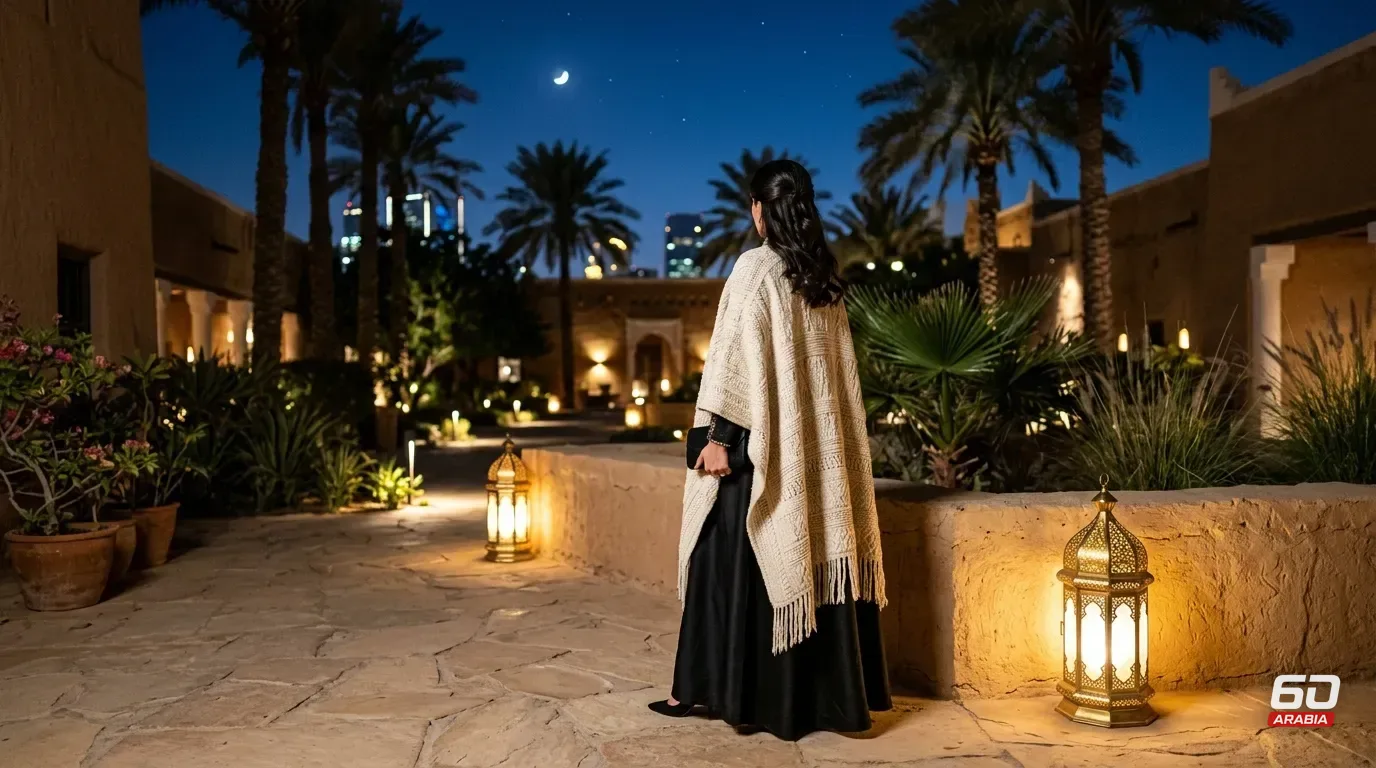
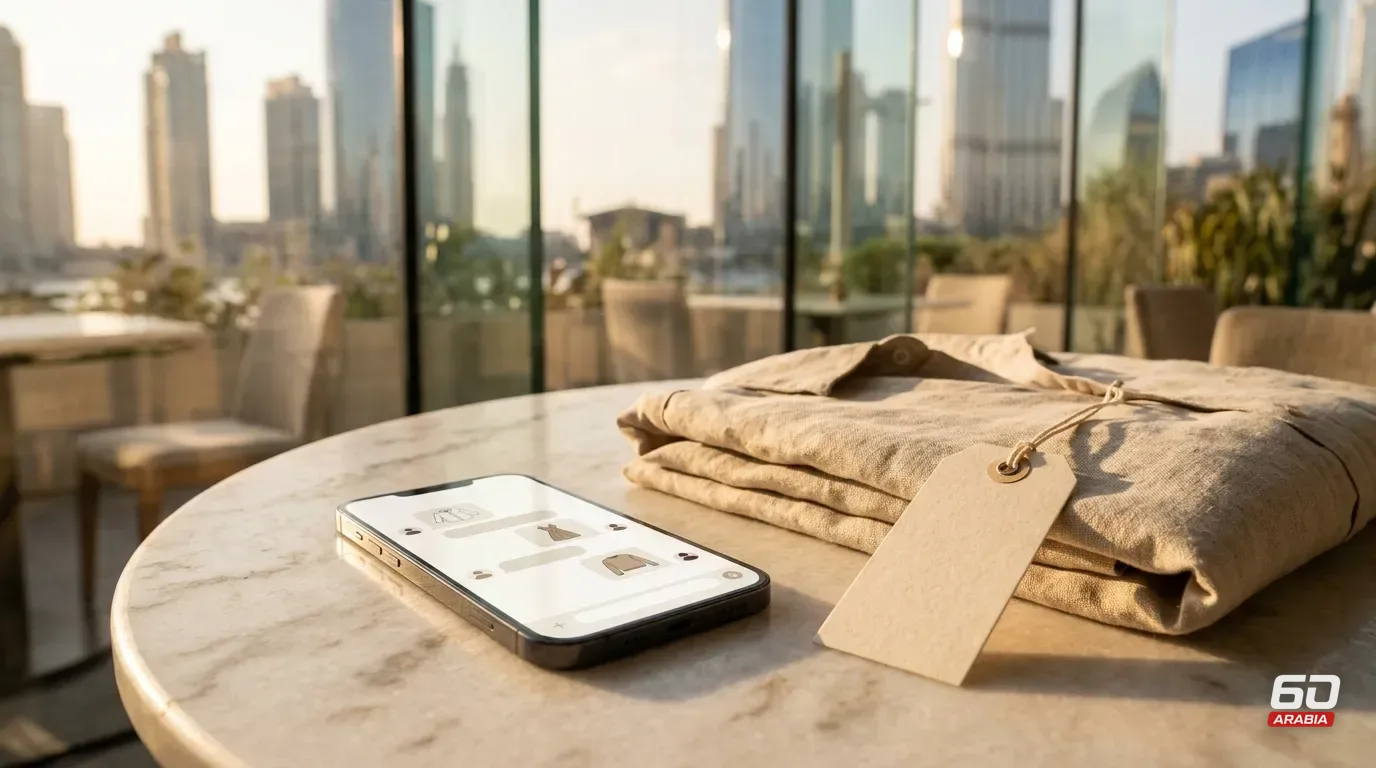
Picture the questions. A linen abaya under 800 dirhams. A label that can deliver to Al Ain by Thursday. The machine answers with whatever it can read.
Now look at where your catalogue lives. If the prices sit in DMs and the sizes in a WhatsApp voice note, the machine has nothing to read. Arabic that exists only inside an image is hard for it to use. A caption that says “DM for price” tells a shopping assistant nothing at all. The Try On button sits in ChatGPT’s shopping results. To get the button, you have to be in the results.
The tech packs I see every week fail in predictable ways. Leave out stitch density and the factory guesses. Leave fabric and fit off a product page and the machine guesses too, or skips you.
What to do this quarter
Ask the machine about yourself this week. Type the questions your customer would type, in English and in Arabic, into ChatGPT, Gemini and Google’s AI Mode. Note which brands it names and which sites it quotes. That list is your new shop window.
Write every product page for a reader who cannot see the photo. Fabric, weight, lining, fit, size range, care, occasion and price, in text, in both languages. Your photographs are the plated dish. Your descriptions are the recipe, and the machine reads the recipe first.
Earn the mentions you cannot write yourself. The State of Fashion 2026 names reviews, blogs and partnerships as signals AI tools use to judge trust. A review on your own site and a feature in a local magazine are both votes the machine can count.
Keep WhatsApp for the conversation. Just do not keep your catalogue there. Shopify’s own line is that the brands that win this season will be “found by a machine and chosen by a person”. The machine needs the catalogue. The person may still want the chat.
Do not overspend either. James Cadwallader, whose company Profound tracks how brands appear in AI answers, told the 2026 report: “You shouldn’t put your entire 2026 marketing budget into your AI visibility strategy, but in the same vein, you should have a strategy.” A small label needs a weekend of rewriting product pages before it needs a consultant.
Shopify’s survey also claims 71 percent of regular AI users are more likely to choose an independent brand this year than last. Shopify sells software to independent brands, so take that with a pinch of salt. The direction still matters. A flagship in Dubai Mall means nothing to an agent. It weighs what it can read.
Your next customer may meet a machine before she meets your brand. Give it something to read.
Sources:
Bardees A. Gamal is a writer and fashion business specialist covering the Arab world's fashion economy, from factory floor to shop floor, and why promising brands stall. She founded the Cairo label Bardees Designs and Fashion Production Services (FPS), a production house that has worked with more than 40 brands across the region, and teaches fashion business in Egypt and the UAE.
Profile and all their articlesThe Fashion Economy Arabia
For Tunisia's Textile Sector, Traceability Is the New Competitive Advantage
Egypt's Famous Cotton Leaves Egypt. Check Your Label.
Luxury Is Selling Craft Again. Moroccan Labels Should Charge for It.

WGSN Says Wear Gold. Egyptians Are Buying Bars.
Weekly Newsletter
Read between the lines before everyone else. Decode the most important economic, tech, and decision-maker movements in the region.. in 5 minutes every Saturday.