
Luxury Is Selling Craft Again. Moroccan Labels Should Charge for It.
Summary
LVMH's leather goods fell 5% as luxury bets on craft to win back 50 million lost shoppers. Morocco has the craft. Its labels need the pricing.
Listen to this article
On 12 October, LVMH reported third-quarter revenue of €18.5 billion, up 1% on an organic basis. Its fashion and leather goods division, home of Louis Vuitton and Dior, fell 5%. Analysts had expected a drop of about 2%. The group pointed to weaker demand in China, and to the creative renewal of its houses, with Jonathan Anderson’s designs selling well at Dior.
The diagnosis behind those numbers has been on the table for a while. The Bain and Altagamma luxury study found that the personal luxury goods market shrank in 2024 for the first time in 15 years, Covid aside. Shoppers facing economic uncertainty and relentless price rises cut back, and the luxury customer base lost about 50 million people, falling from about 400 million to 350 million between 2022 and 2024. Aspirational shoppers traded down to the premium segment, and only about a third of brands grew in 2024. Bain’s prescription was a return to the foundations, with desirability built on craftsmanship, creativity and distinctive brand values.
What the coverage assumes
The coverage reads this as a China story and a creative director story. Fix the designers, tell the craft story again, and the customer will come back. It also assumes craft lives in workshops in France and Italy. The new designers are real talent, and Dior’s early sales are real. But a new collar does not fix an old price.
Translation: luxury raised prices faster than it raised quality, and its customers noticed.
Where it breaks in Morocco
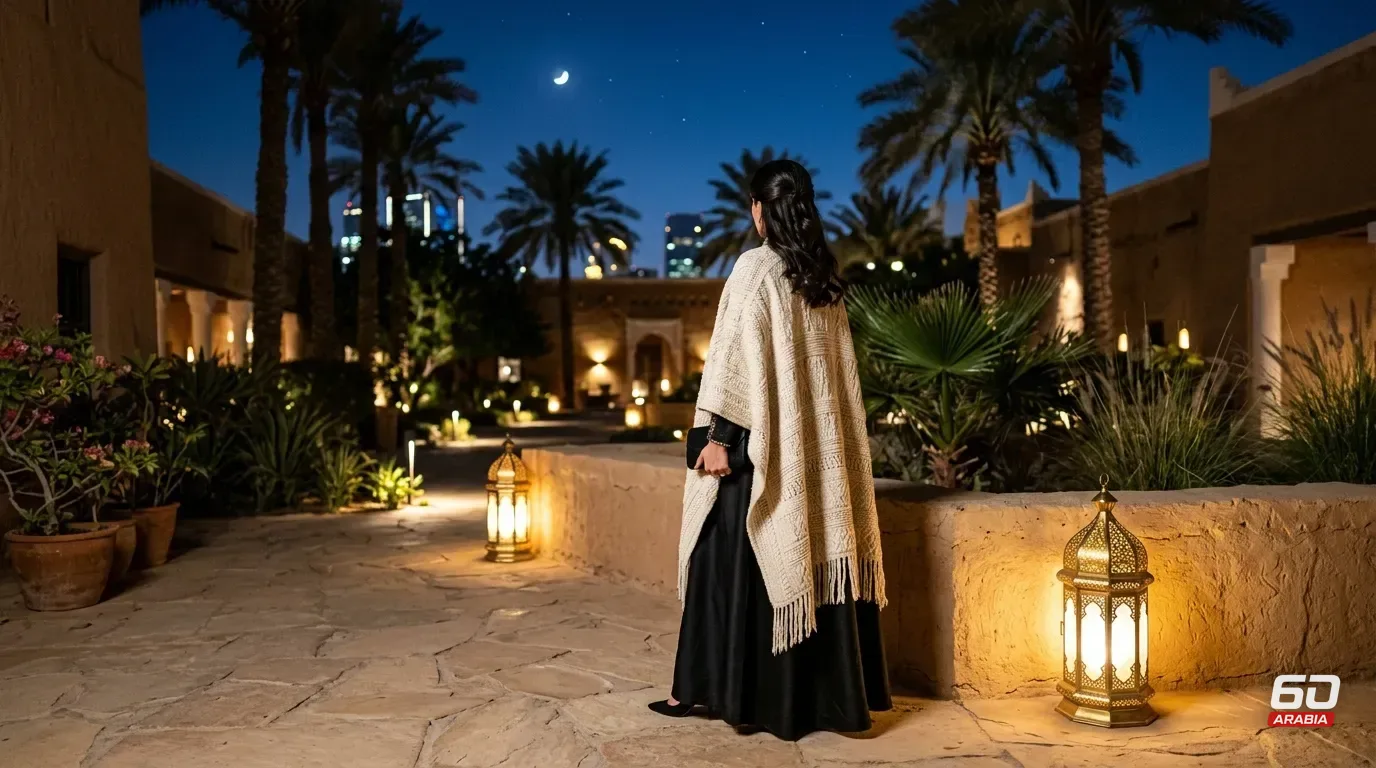
Morocco does not need to rediscover craftsmanship. Its craft sector provides jobs for 20% of active workers and contributes 7% of GDP, and women make up 54% of its artisans. In December 2025, UNESCO recognised the Moroccan caftan as intangible cultural heritage. This year, Moroccan designers took 11 places on the Arab Fashion Awards shortlist, more than any other country.
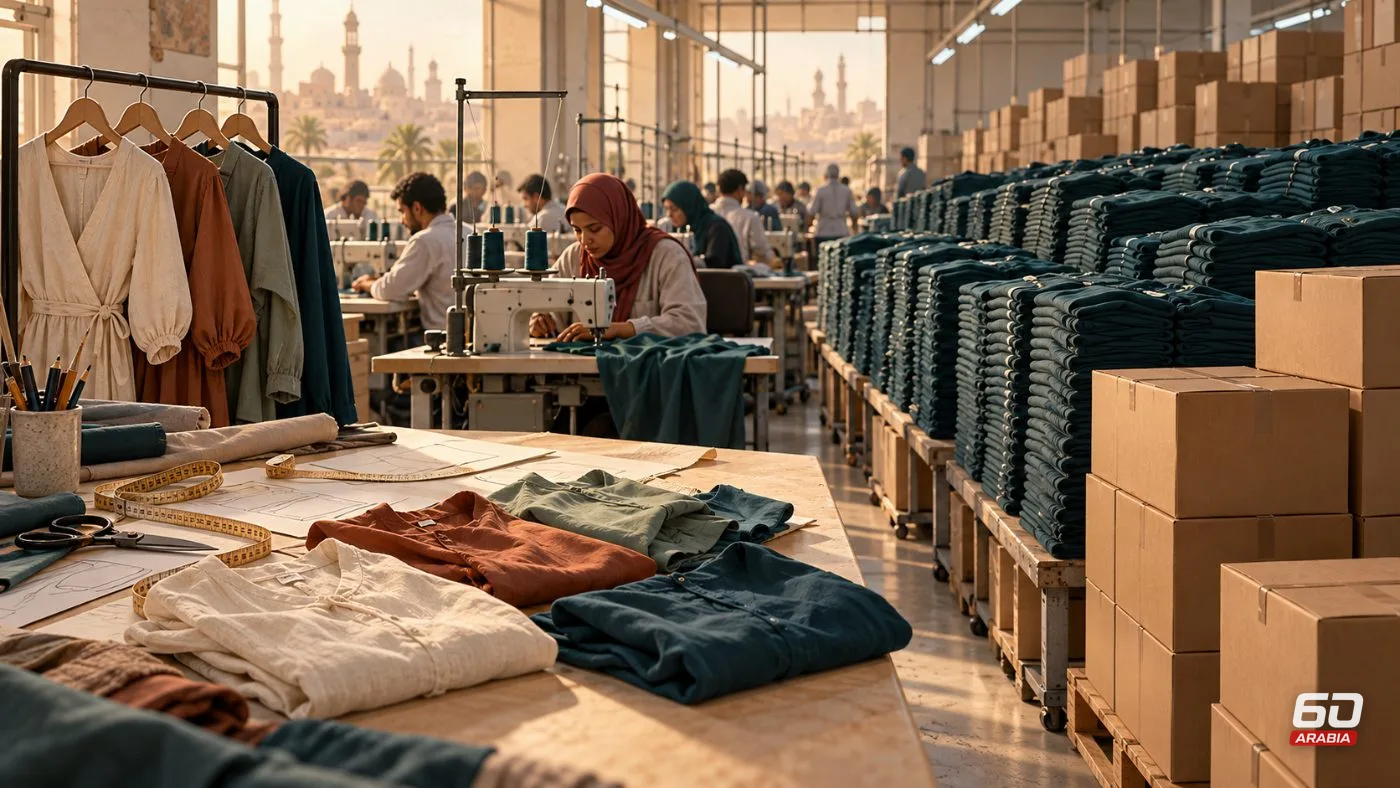
Now look at what that craft earns. Morocco’s handicraft exports reached 1.23 billion dirhams, about $130 million, in the whole of 2025. LVMH’s fashion and leather goods division sold €8.2 billion in a single quarter. These are different measures, and the gap is not only about scale. It is about whose name sits on the product.
The customer is already walking through Moroccan streets. The country welcomed 15.7 million tourists by the end of September, up 5% on last year. A tourist who buys a hand-stitched bag in the medina takes home a souvenir. A souvenir has no name and no second sale. A brand has both.
The founders I work with often price craft by the hours it took, as if the skill were free. Nobody prices a tagine by the minutes on the stove.
What to do this quarter
Price above the souk and below the logo. Bain’s traded-down shopper still wants quality. She has simply stopped paying for the logo. Your price belongs where she landed, in premium, neither souvenir nor luxury. Work out your full cost, add the margin your shop and your stockists need, and stop apologising for the number.
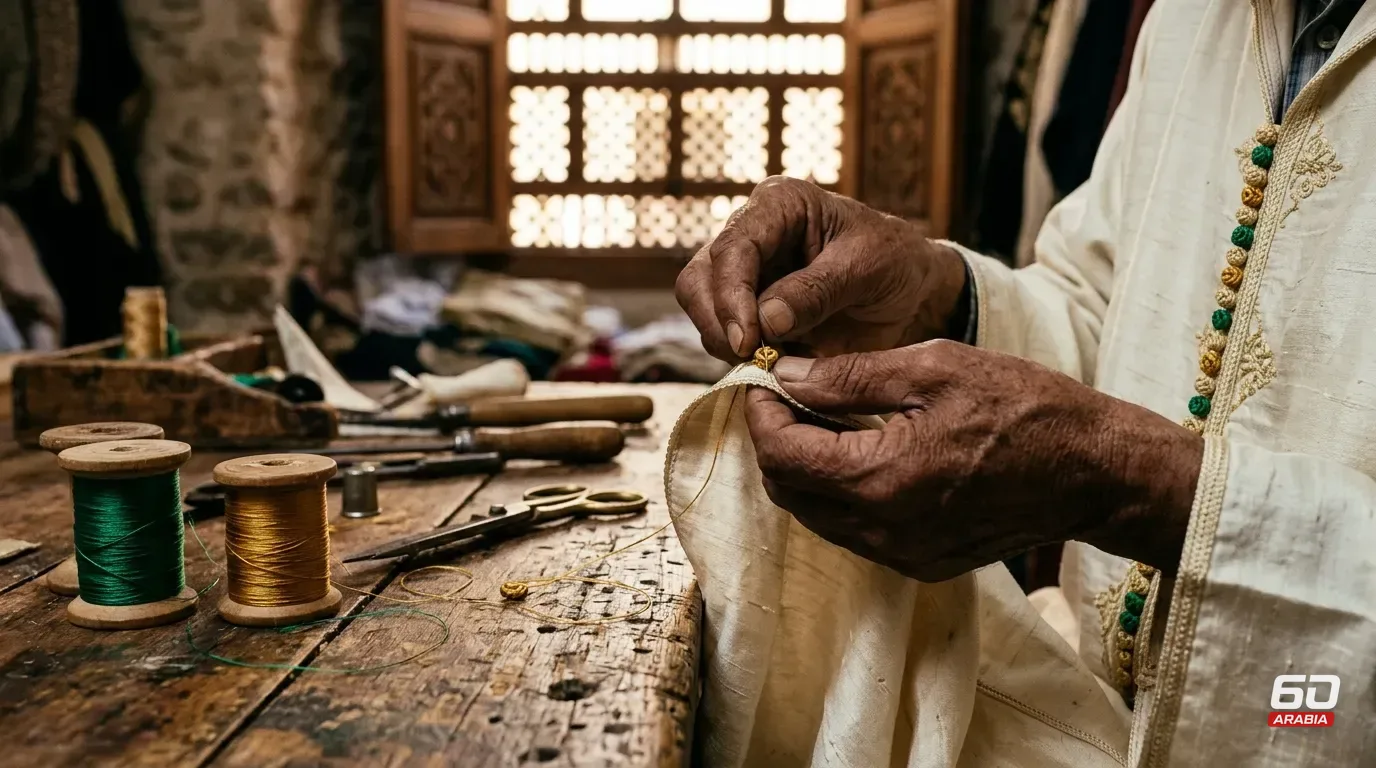
Name the hands. Put the maalem’s name and the city on the tag and the product page. Sfifa braiding and aakad buttons are a story luxury houses would pay an agency to invent. You already own it. Keep the records that prove it, from who made each piece to where the fabric came from. Do not write “handmade” unless you can show the hands. When a buyer in Paris asks where a piece was made, the answer should take one email, not a week.
Put the craft where the customer can feel it. A hand-knotted closure or a braided edge earns its price. A hand-embroidered logo on a cheap T-shirt is still a cheap T-shirt, and the shopper who traded down from luxury knows the difference.
Follow the demand that already exists. The United States took 49% of Morocco’s handicraft exports last year and France took 10.5%. Those buyers already trust Moroccan work. The question is whose name they see when they buy it. Give every tourist a reason to find you again, with a card in every bag and a site that ships abroad.
Do not copy luxury’s mistake in the other direction. Bain’s 50 million left when prices ran ahead of the product. Charge for craft. Do not charge for a story you cannot sew.
Paris is relearning craft. Morocco only has to learn to charge for it.
Sources:
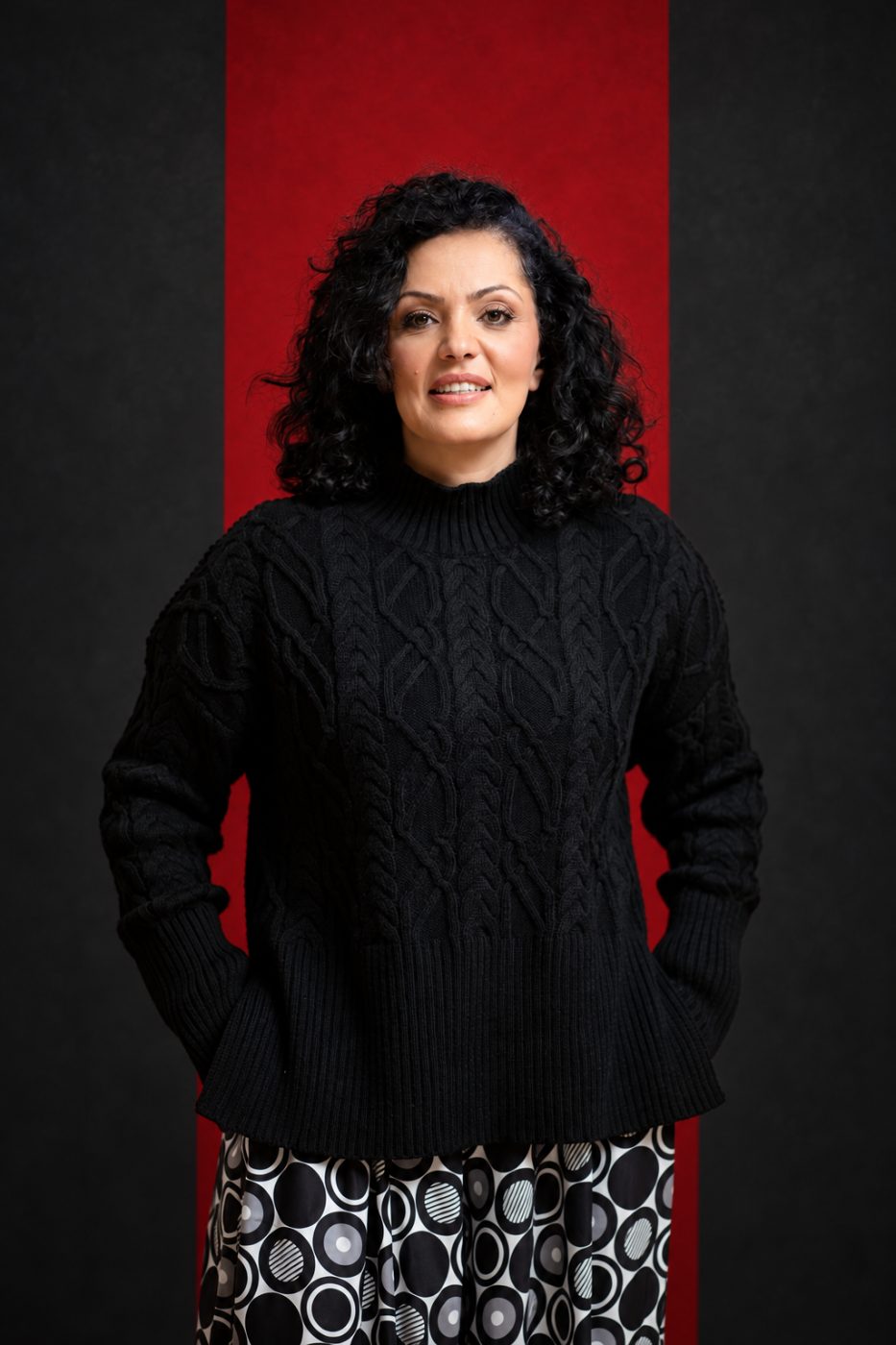
Bardees A. Gamal is a writer and fashion business specialist covering the Arab world's fashion economy, from factory floor to shop floor, and why promising brands stall. She founded the Cairo label Bardees Designs and Fashion Production Services (FPS), a production house that has worked with more than 40 brands across the region, and teaches fashion business in Egypt and the UAE.
Profile and all their articles
Weekly Newsletter
Read between the lines before everyone else. Decode the most important economic, tech, and decision-maker movements in the region.. in 5 minutes every Saturday.