For Tunisia's Textile Sector, Traceability Is the New Competitive Advantage
Summary
Proximity brought European fashion brands to Tunisia, but upcoming EU rules mean verifiable supply chain data will decide which suppliers survive.
Listen to this article
On 13 October, the traceability company TrusTrace published The Enforcement Era, a survey of fashion and footwear brands. One in five brands selling into the United States had a shipment detained at the border. Three quarters had trusted data on their direct suppliers, but only a third could vouch for the yarn and fibre behind them, and a fifth for the raw material. Three days later, FashionUnited reported that 60% of the brands named supplier resistance or limited supplier capability as their biggest barrier. “Enforcement is no longer on the horizon. It is here,” said Shameek Ghosh, TrusTrace’s chief executive. The sample is small, 57 insiders at brands in 24 countries, but the direction matches everything else on the table.
Strategy&’s Fashion Retail Outlook 2026 had already told retailers what to do about it: build traceable product data for the EU’s Digital Product Passport, and move sourcing closer to home. It named Türkiye, Portugal, Spain, Morocco and Tunisia as anchors for a European supplier base.
What the coverage assumes
Read the findings again and the problem sits with the supplier. Supplier resistance. Limited supplier capabilities. The fix is software for the brand and pressure on the factory. The deadline also looks closer than it is. Strategy& wrote that passports become mandatory for clothing by 2027, but the Commission only plans to adopt the textile rules in the last quarter of 2027, and applying them will take longer.
Translation: the brand’s blind spot is about to become the supplier’s homework.
Where it breaks in Tunisia
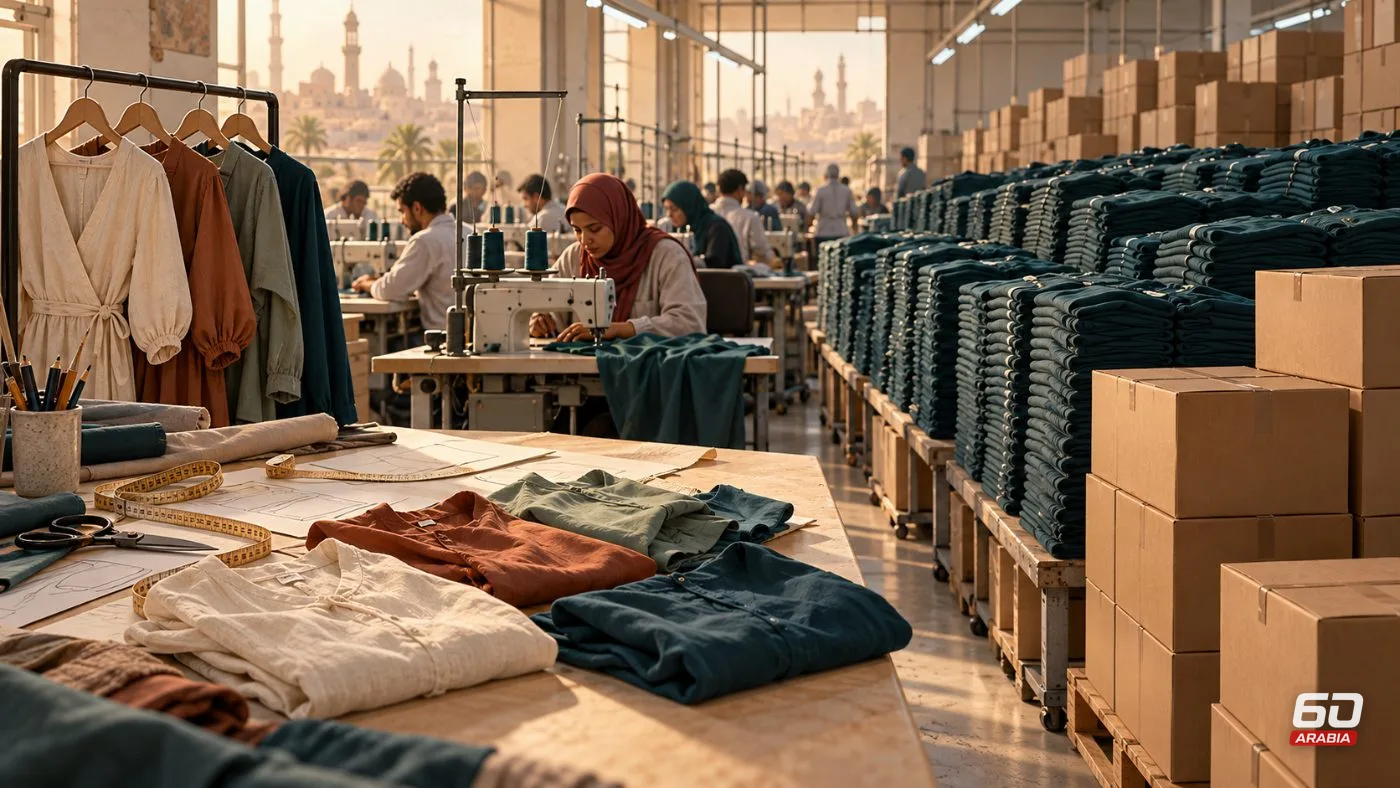
Tunisia is the supplier in that sentence. Its textile and clothing industry employs more than 160,000 people in more than 1,600 companies, and it exported €2.5 billion to the EU in 2024. It is also losing ground. Its clothing exports to the EU fell 3.6% in 2025, and its share of EU clothing imports slipped from 2.50% to 2.36% as Asian rivals gained from new tariff preferences, La Presse reported. Exports of textiles, clothing and leather fell another 4.8% in the first eight months of 2026, according to official figures.
Proximity was the sales pitch: a short flight from Paris and Milan, and fast repeat orders. Asia is now beating that pitch on price.
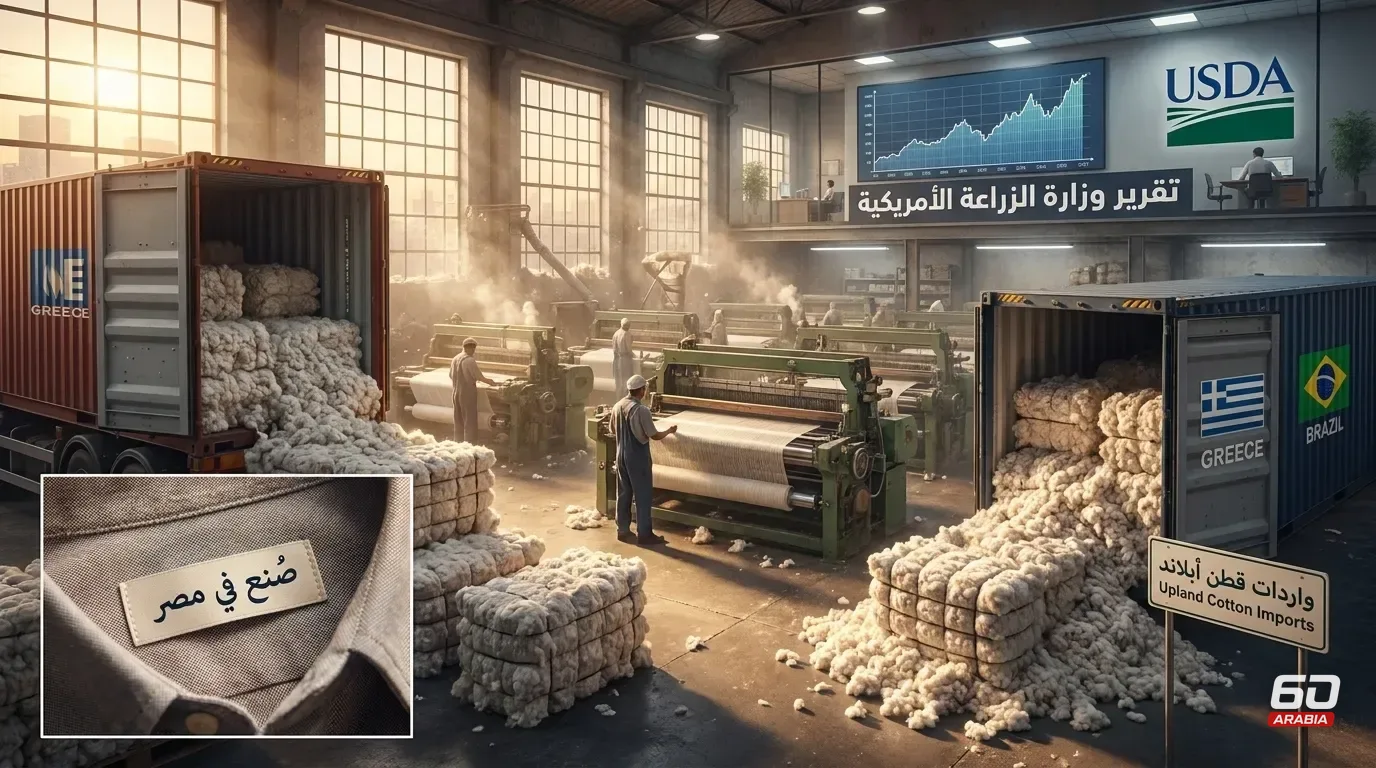
The upstream data a brand cannot see often sits outside Tunisia too. Turkey alone supplies 35.6% of Tunisia’s cotton imports. When a buyer asks where the cotton came from, the answer is in a Turkish mill’s paperwork, unless the Tunisian factory has already asked for it.
There is one more catch. Strategy& found that more than 80% of the shoppers it surveyed in Germany and Austria would pay a premium for products made in Europe. A Tunisian label will never say Made in Europe. It can say exactly where, and by whom.
Most tech packs I see stop at “100% cotton”. A buyer now wants to know whose cotton.
What to do this quarter
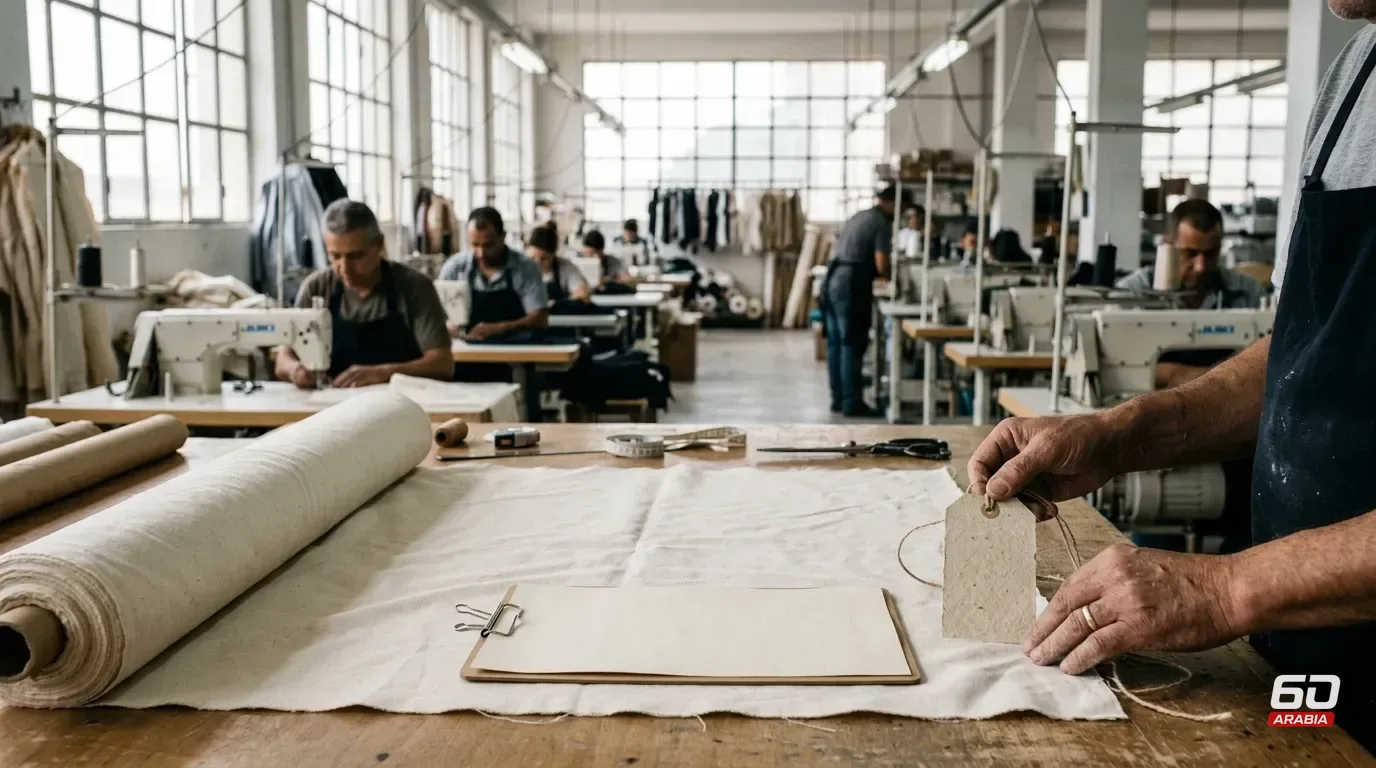
Do your mise en place before the order arrives. Chefs measure and label everything before service, so nothing is improvised when the ticket comes in. Build an answer file for every style you make or sell: the mill and the fibre origin, with the certificates that prove them. If you use certified organic or recycled fibre, ask your mills for transaction certificates now, not when the buyer asks.
Turn the survey’s complaint into your pitch. If most brands say suppliers resist or cannot deliver data, the supplier who sends it unasked becomes the easy choice. A traceability analyst at Brooks Running summed up the brand’s guidance to suppliers: “provide as much as you can”.
Take it to Sousse. ITF Intertex Tunisia runs from 22 to 24 October, with a hosted buyer programme. Bring a one-page traceability sheet for your best-selling fabrics, and hand it over before anyone asks.
If you run a label, check your words as well as your sources. Since 27 September, the EU has banned generic environmental claims such as “green” or “ecological” unless the product meets a recognised standard of excellent environmental performance. Sustainability labels that are not based on a certification scheme are banned too. A swing tag that says “eco” is now a liability in Paris.
Do not wait for the passport either. It will arrive later than Strategy& says, but the questions have already started.
Proximity got Tunisia into Europe’s supply chain. Proof will keep it there.
Sources:
Bardees A. Gamal is a writer and fashion business specialist covering the Arab world's fashion economy, from factory floor to shop floor, and why promising brands stall. She founded the Cairo label Bardees Designs and Fashion Production Services (FPS), a production house that has worked with more than 40 brands across the region, and teaches fashion business in Egypt and the UAE.
Profile and all their articlesThe Fashion Economy Arabia

Weekly Newsletter
Read between the lines before everyone else. Decode the most important economic, tech, and decision-maker movements in the region.. in 5 minutes every Saturday.