
Egypt's Famous Cotton Leaves Egypt. Check Your Label.
Summary
Egypt ships abroad about as much cotton as it grows and imports nearly four bales for every one it grows. Here is what that means for your label.
Listen to this article
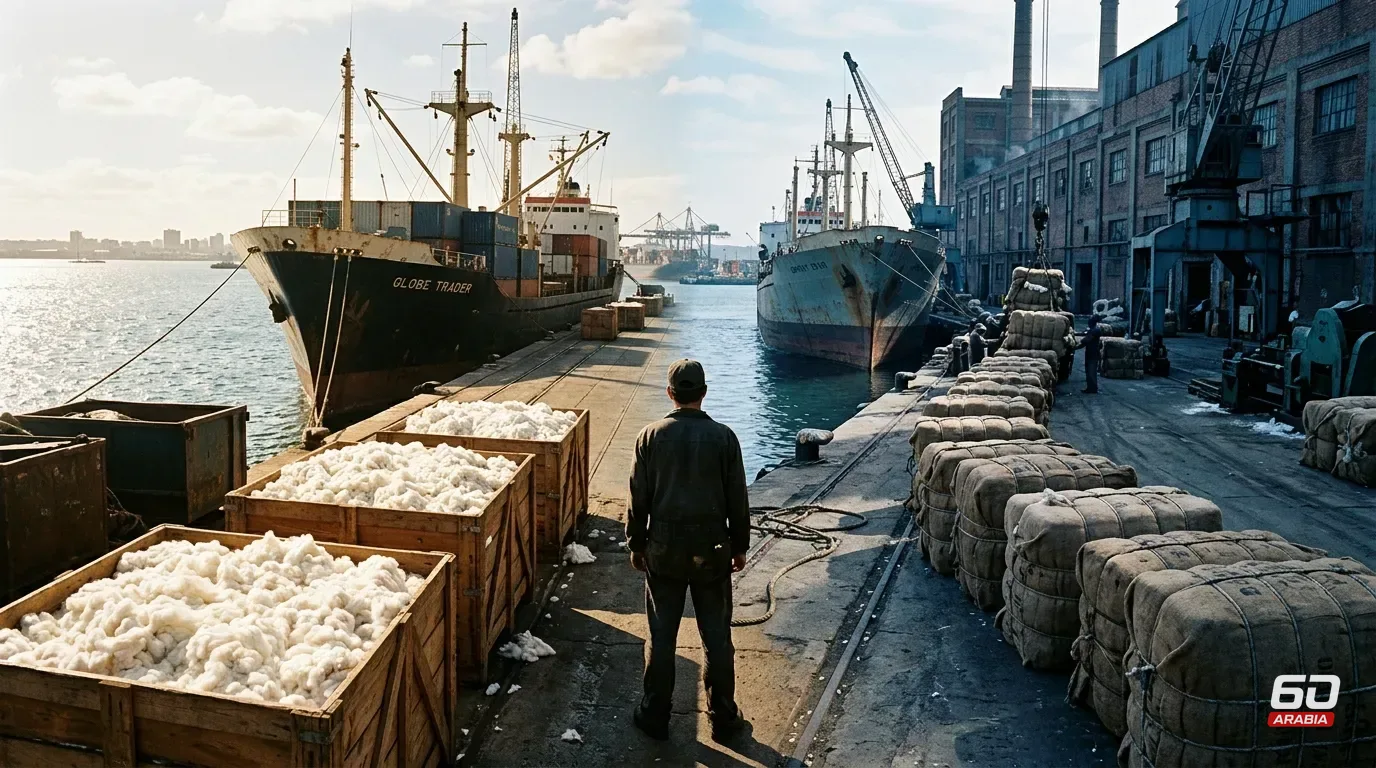
Egypt’s new cotton export season opened with a familiar name. Between 1 September and 4 October, exporters shipped 7,081 tonnes of cotton, and 6,422 tonnes of it was Giza 94, according to the exporters’ union report published by Al Mal. Last season, exports rose 63% to 64,060 tonnes, worth more than $205 million.
The US Department of Agriculture’s annual report on Egyptian cotton explains the pull. Mills in China and India want the fibre. The government stopped guaranteeing a floor price, so auctions now follow supply and demand, and farmers came away with prices they could accept. Planted area is expected to grow about 20% to 100,000 hectares.
Now read the other side of the ledger. The USDA estimates Egypt grew 260,000 bales last season and exported 250,000. It expects the country to import 1.2 million bales this season, nearly four for every one it grows.
What the world assumes
Around the world, “Egyptian cotton” sells sheets and shirts as shorthand for luxury. The natural assumption is that a country famous for its cotton dresses itself in it.
It mostly does not. The USDA describes two spinning industries in Egypt. Fine-count mills spin Egyptian long and extra-long staple cotton, mainly for export. Coarse-count mills spin imported Upland and short-staple cotton from suppliers such as Greece, Brazil and Sudan, and they make most of the country’s textile volume, often feeding straight into weaving and garment lines. Much of the famous fibre goes to India and China, and India turns it into shirts and sheets for the American market.
There is an irony in the paperwork. A ministerial decree bans Egyptian farmers from planting Upland cotton, the world’s everyday variety. The country’s own mills then import it by the shipload.
Translation: Egypt grows the luxury fibre. Most of what it sews at home is spun from someone else’s.
Where it breaks for a founder
If you buy knit or woven fabric from a local mill, the cotton in it most likely arrived by ship. That is not a scandal. It becomes one when your label says otherwise.
“Made in Egypt” and “Egyptian cotton” are two different promises. The first tells your customer where the garment was cut and sewn. The second tells her where the fibre grew. The two are easy to blur, because “Egyptian cotton” sounds like a fact about where you live.
The world has punished that blur before. In 2016, the American retailer Target cut ties with a major Indian supplierover sheets sold as Egyptian cotton that it said were not. The same year, the Cotton Egypt Association tested home textiles labelled Egyptian cotton and found that about 90% did not contain it.
There is a quality trap too. Egyptian cotton is picked by hand, which protects the length of the fibre but also brings in most of its contamination. The USDA notes that mills sometimes blend it with American Pima to get a clean enough white or black for premium shirts. A white shirt in pure Egyptian cotton is harder to make than it sounds.
What to do this quarter
Read your own labels and product pages. If they say Egyptian cotton, ask your supplier for the mill, the variety and the yarn count. If nobody can answer, change the claim to “Made in Egypt”. It is true, and it still sells.
Write the fibre into your tech pack. A bill of materials that just says “cotton” tells a factory nothing and invites substitution. Name the composition, the staple and the count you approved.
Keep the proof. Ask for an invoice or certificate that names the variety, and file it with the style’s records. If a buyer abroad asks where your cotton grew, a document answers better than a story.
If Egyptian cotton is your brand story, buy it where it is spun. Expect higher minimums and higher prices from the fine-count mills, and talk to them now, while the new crop is being sold.
Then price for the pound. Imported fibre is bought in dollars, and the USDA notes the pound slid from 47.7 to 52.6 per dollar in the weeks after the regional conflict began. Your T-shirt can be sewn in Cairo and still cost more every time the exchange rate moves.
There is an upside. More acreage and freer auctions mean more Egyptian fibre on the market. Founders who show steady demand and pay on time are the ones a fine-count mill will make room for.
The world already pays a premium for two words on a label. Earn them before you print them.
Sources:
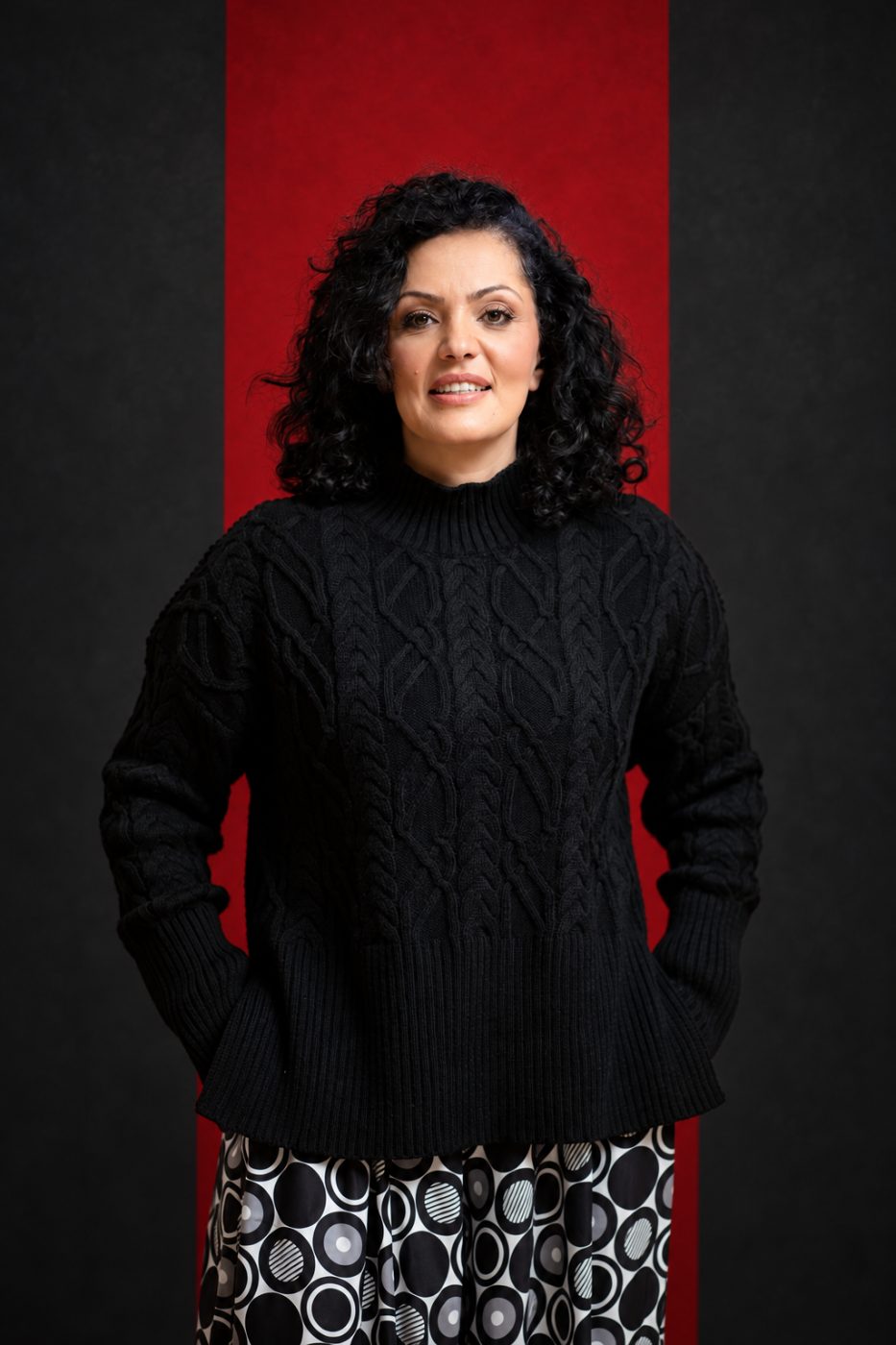
Bardees A. Gamal is a writer and fashion business specialist covering the Arab world's fashion economy, from factory floor to shop floor, and why promising brands stall. She founded the Cairo label Bardees Designs and Fashion Production Services (FPS), a production house that has worked with more than 40 brands across the region, and teaches fashion business in Egypt and the UAE.
Profile and all their articlesThe Fashion Economy Arabia
Weekly Newsletter
Read between the lines before everyone else. Decode the most important economic, tech, and decision-maker movements in the region.. in 5 minutes every Saturday.