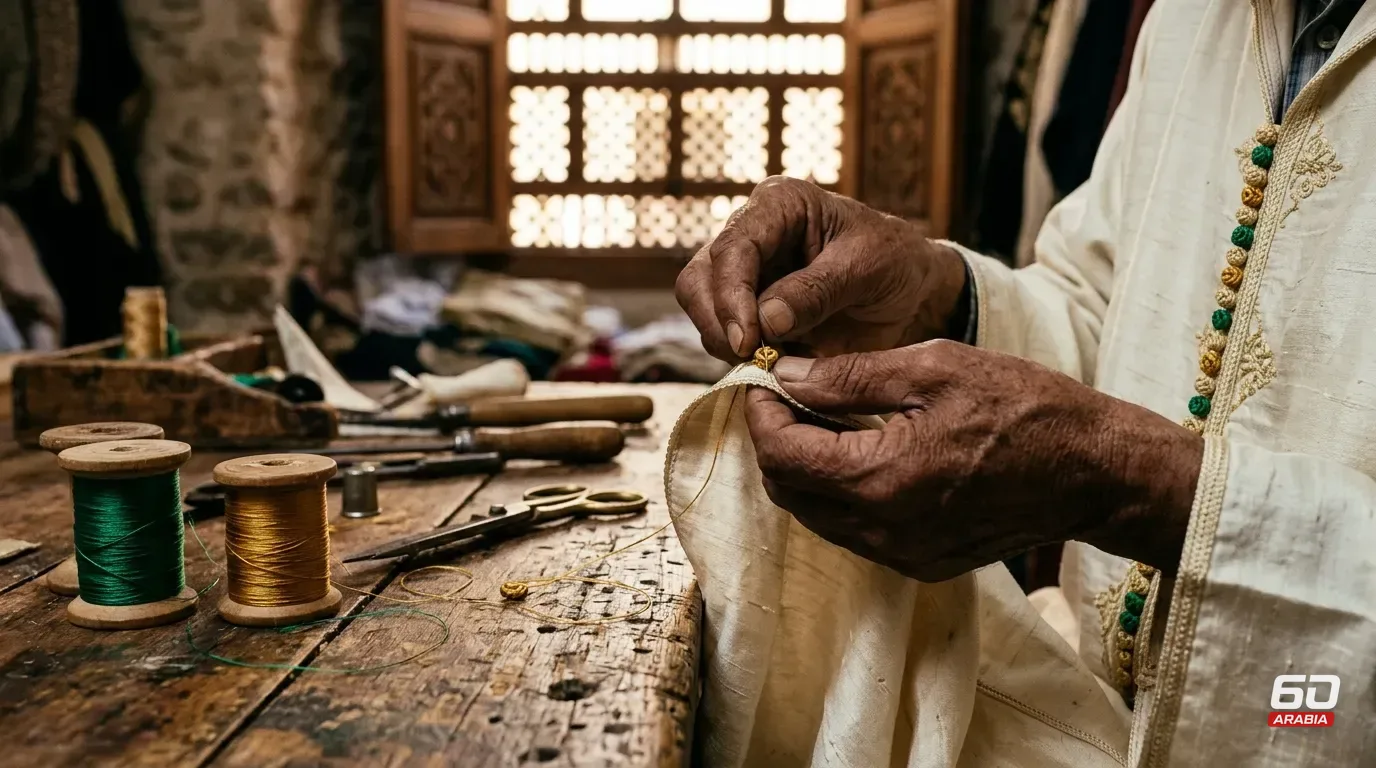

Egypt sets two million pound fines for fake White Friday discount claims
Summary
Egypt's Consumer Protection Agency is targeting misleading discounts with heavy fines, making price transparency essential for retail brands this White Friday.
On 4 November, Boston Consulting Group published its annual survey of year-end shopping, covering 10,220 consumers in 10 countries. Only 54 percent trust that advertised Black Friday prices are genuinely lower than normal, and one in five actively distrusts them. In several European markets, only about a third believe the discounts. “Shoppers no longer take Black Friday discounts at face value,” said Nate Shenck, a managing director at BCG, as reported by ConsumerAffairs. Among shoppers planning to cut back, 22 percent said deals are available all the time anyway.
The doubt has evidence behind it. When European consumer authorities checked 314 online traders during Black Friday sales, 30 percent referenced discounts incorrectly, and 18 percent used pressure tactics such as countdown timers.
WGSN saw this shopper coming. Its Future Consumer 2026 forecast describes The Impartialists, level-headed consumers “seeking facts over fiction and unvarnished transparency over slick storytelling”. Its advice was blunt: “Honest messaging and simplified sales will win their trust.”
What the coverage assumes
Black Friday coverage is written for markets where the discount is the story. How deep and how early. It assumes a stable “was” price, and a regulator that checks it after the fact, if at all.
Translation: a percentage sign no longer sells. Proof does.
Where it breaks in Egypt
Egypt’s White Friday arrives on 27 November, and some campaigns start in the second half of the month. This year the regulator moved first. On 27 October, Ibrahim El-Sigini, head of the Consumer Protection Agency, set out the White Friday rules. Sellers must show the price before and after the discount and the real percentage, with clear terms and dates. The rules cover shops, e-commerce platforms and social media. Fines reach two million Egyptian pounds or twice the value of the product, under Consumer Protection Law 181 of 2018. An operations room and an advertising monitor will watch the offers as they go live. Return and exchange rights stay in force during the sale, and customers can report a seller on the agency’s 19588 hotline.
That last point matters more than it sounds. A sign that says “no exchange on sale items” is not a policy. It is a liability.
The harder problem is the “was” price itself. Urban inflation stood at 13.9 percent in September. When prices move every few months, the honest “before” price is the one you actually charged, not the one you meant to charge after the next fabric delivery. Your customer has help, too. BCG found that 56 percent of shoppers use or plan to use AI to shop, and a machine that compares prices does not forget what you charged in October.
The founders I work with in Cairo already underprice out of guilt. A fake “was” price is the same guilt turned inside out, pretending you once charged what you never dared to.
What to do this month
Screenshot your prices today. Your evidence for any “before” price is what you actually charged, with the invoices to back it. Keep both until the new year.
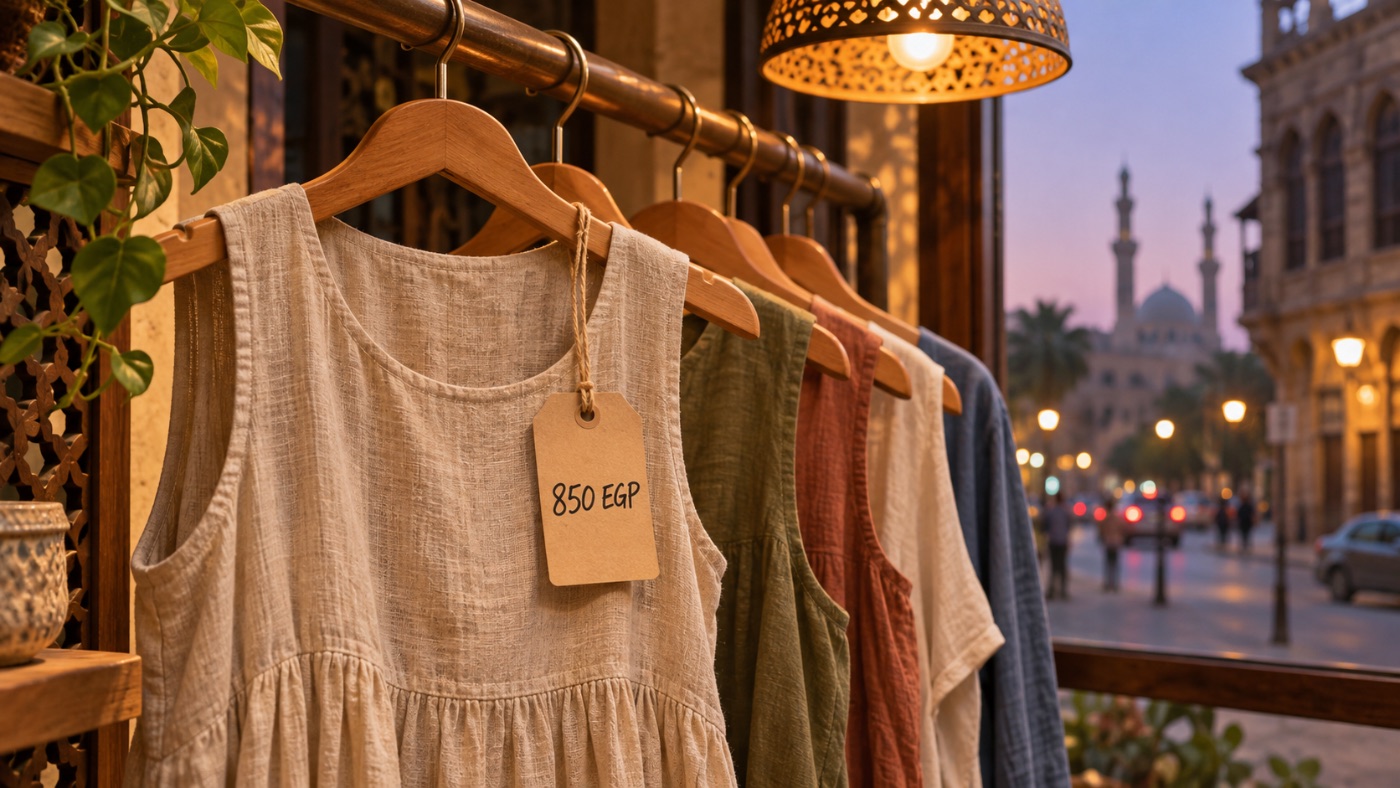
Make one offer, in pounds. “1,450 pounds, was 1,800” tells the customer more than “up to 70% off”, and it is easier to defend. BCG found that the discount shoppers call a good deal has slipped to about 30 percent. You do not need a fantasy number.
If you sell through Instagram, the rules apply to your posts as well. A story that says “sale” needs the same before and after prices as a shop window.
Keep your return policy exactly as it is. The agency has said the sale does not suspend it, and your customer will remember how you handled the exchange long after she forgets the discount.
Drop the countdown timer unless the deadline is real. A timer that resets every morning is the kind of tactic European authorities flagged, and Egypt’s new advertising monitor is looking for the local version.
If you have already run three sales since the summer, consider skipping this one. A customer who has watched your prices fall four times this year has learned to wait. Launch a small restock or a limited piece at full price instead, and make White Friday the day you did not discount.
Inflating the “was” price is watering the soup. The bowl looks fuller, and the regulars can taste it.
This White Friday, the boldest offer in Egypt may be a price you can prove.
Sources:
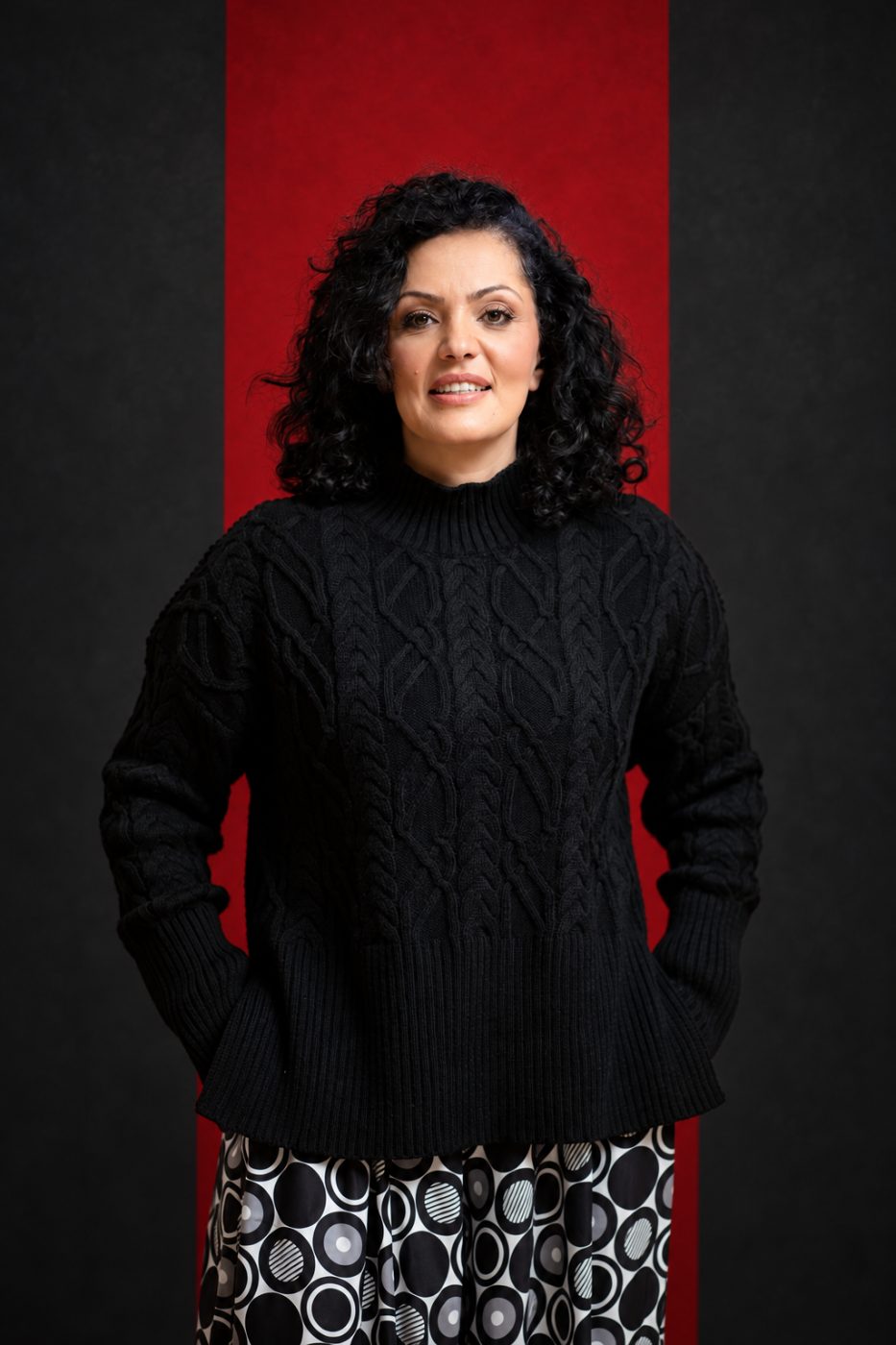
Bardees A. Gamal is a writer and fashion business specialist covering the Arab world's fashion economy, from factory floor to shop floor, and why promising brands stall. She founded the Cairo label Bardees Designs and Fashion Production Services (FPS), a production house that has worked with more than 40 brands across the region, and teaches fashion business in Egypt and the UAE.
Profile and all their articlesThe Fashion Economy Arabia

Dubai's Malls Are Full Again. Its Fashion Tills Are Not.
Your UAE Customer Asks AI First. Can It Find Your Brand?

For Tunisia's Textile Sector, Traceability Is the New Competitive Advantage

Egypt's Famous Cotton Leaves Egypt. Check Your Label.
Weekly Newsletter
Read between the lines before everyone else. Decode the most important economic, tech, and decision-maker movements in the region.. in 5 minutes every Saturday.