SpaceX Starship reaches orbit but booster explodes over Gulf of Mexico
SpaceX launched its Starship rocket into orbit, but the booster failed to land and exploded over the Gulf of Mexico. The upper stage remains in orbit ahead of a planned recovery.
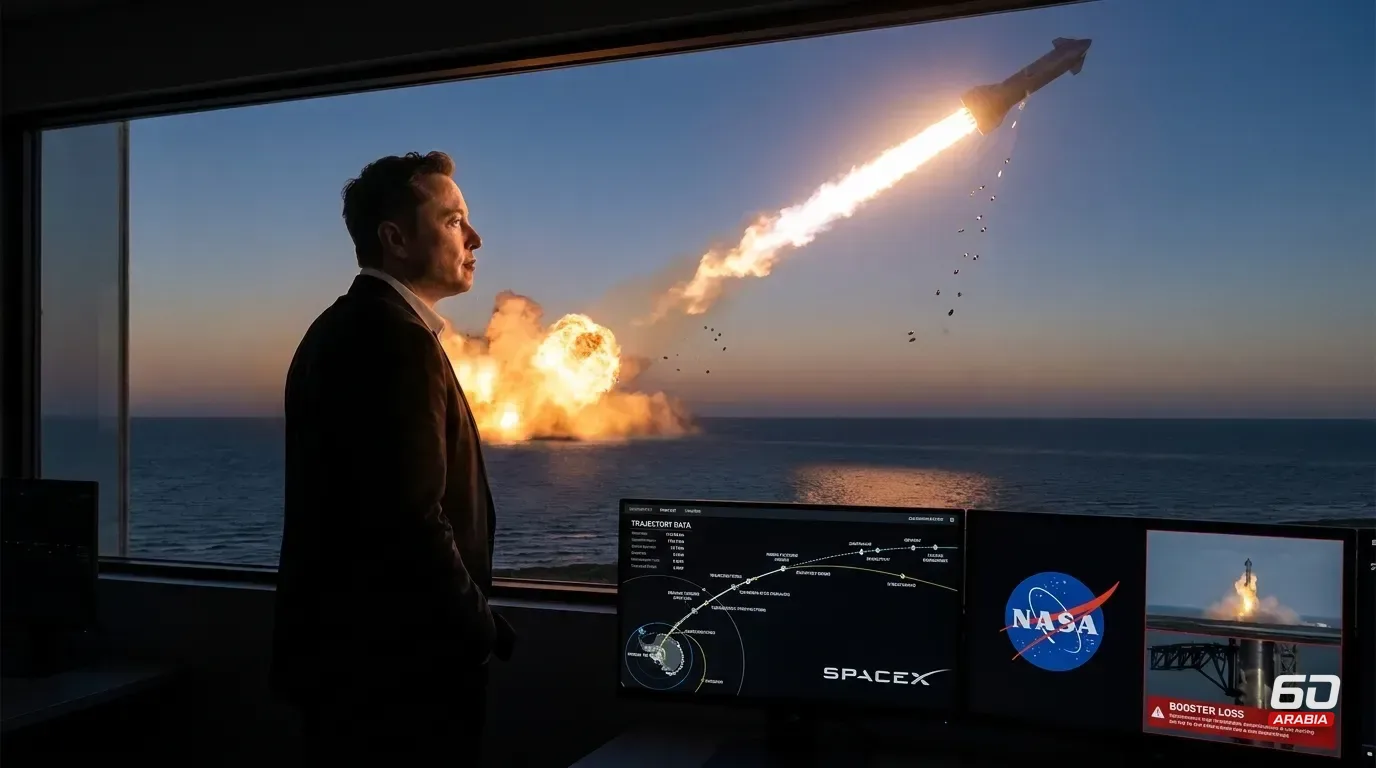
US aerospace company SpaceX launched its Starship rocket from its South Texas Starbase site, sending the upper stage into orbit while losing the booster rocket. The booster exploded over the Gulf of Mexico instead of landing back at the launch pad as scheduled.
The booster diverted from its planned return path to the launch site before exploding over the sea surface, according to the company. The reasons for the failure of the controlled landing were not immediately clear following the uncrewed test flight.
"Not sure right now why we weren't able to bring it back," said SpaceX spokesperson Dan Huot. The upper stage continued into orbit, where it began deploying 26 Starlink satellites.
The upper stage is scheduled to return to Earth on Saturday, with mechanical arms at the launch pad set to attempt catching it. SpaceX aims to develop a fully reusable rocket system to reduce the overall cost of spaceflight.
Tech billionaire Elon Musk said he expects SpaceX to conduct Starship launches once a week by early 2027. The Starship program has received billions of dollars in NASA funding, alongside at least $15 billion invested directly by SpaceX.
What do these terms mean?
Booster rocket: The primary lower stage of a launch vehicle that provides initial power and thrust to propel a spacecraft out of Earth's lower atmosphere.
Orbit: A gravitationally curved flight path of an object around a planet or celestial body in space.
Starlink satellites: A network of small internet satellites operated by SpaceX to provide commercial satellite broadband coverage.
Weekly Newsletter
Read between the lines before everyone else. Decode the most important economic, tech, and decision-maker movements in the region.. in 5 minutes every Saturday.