
Dubai's Malls Are Full Again. Its Fashion Tills Are Not.
Summary
Tourist numbers have nearly halved and value chains are winning. UAE labels now have one market that matters: the resident.
Listen to this article
On 30 October, The Business of Fashion described the Gulf’s “new reality”. Dubai Fashion Week went ahead a month late. The malls are busy again. The shopping is not. “People go more for that entertainment element, but the retail purchase is really not there,” Ekaterina Kustrimovic, a consultant who advises retailers across the region, told BoF.
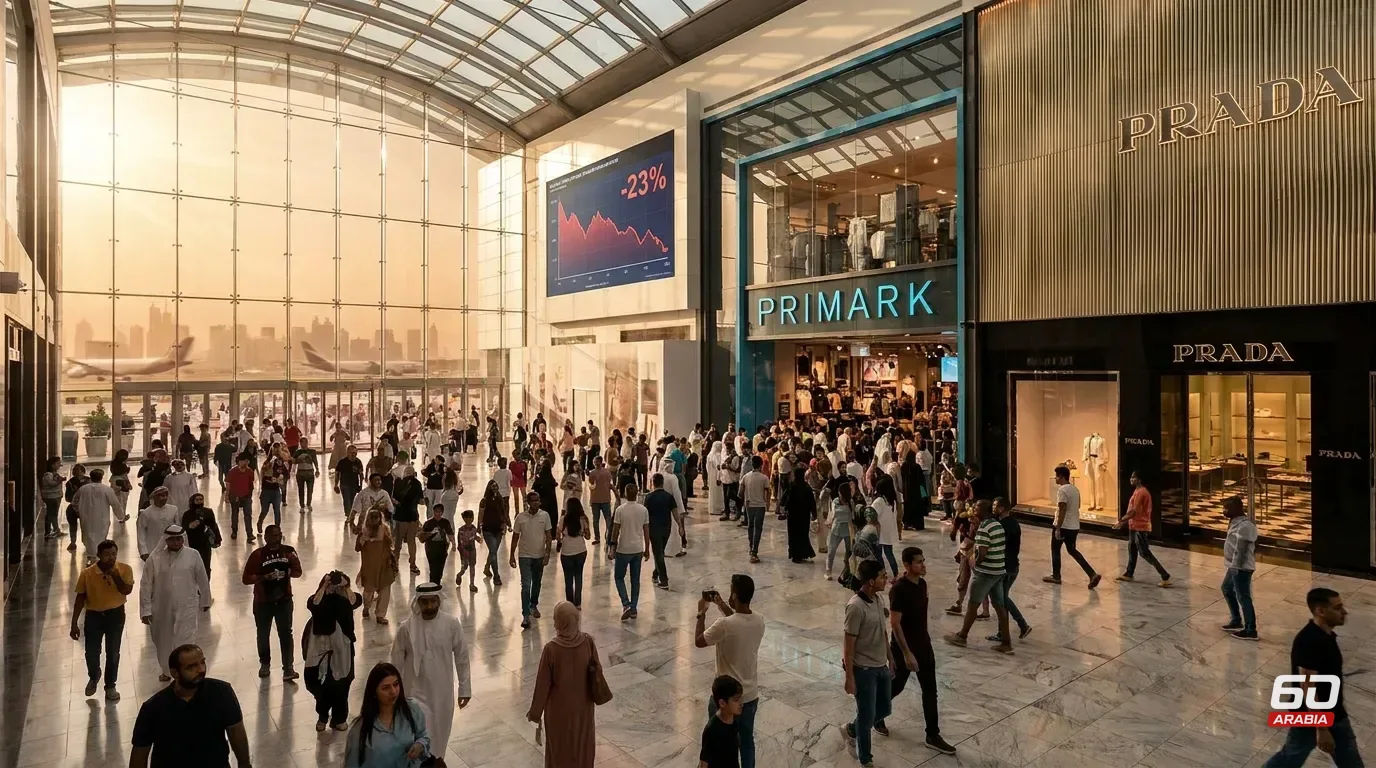
The numbers explain the mood. Prada’s Middle East retail sales fell 23 percent in the first nine months of the year, and Hermès reported a 4.3 percent decline in the region that includes the Middle East. Local brands told BoF that shipping now costs up to four times what it did before the regional conflict began in February, and most international airlines have not resumed flights to the Gulf. Dubai welcomed 6.97 million international visitors in the first eight months of 2026, against 12.54 million in the same months of 2025.
What still sells is value. Primark opened three Dubai stores this year, starting at The Dubai Mall in March, and BoF reports record customer numbers. Zara, LC Waikiki and Koton are trading steadily. Kering says its Middle East sales recovered in the third quarter on spending by residents.
What the coverage assumes
Global coverage reads the Gulf through the luxury results. A bright spot dims, the big houses tighten their budgets, and everyone waits for the tourists and the flights to come back. Underneath sits an assumption that the Gulf customer is a visitor with a shopping list, and that the fix is patience.
Translation: for now, the resident is the whole business.
Where it breaks in the UAE
A UAE label cannot wait for the flights. The rent is due either way.
The customer who stayed is not the customer many labels priced for. BoF’s sources describe premium international labels caught between selective luxury shoppers and cost-conscious customers. A local label priced for a visitor with a holiday budget sits in exactly that gap.
The cost side has moved too. Freight that quadrupled does not arrive as a headline. It arrives in your landed cost, quietly, one shipment at a time. A business built around one Dubai warehouse has also learned what a single hub costs when routes close. “You cannot put all your business in one basket,” the founder of one French-Egyptian label told BoF, as her brand moves part of its production and stock to Europe.
The founders I work with plan offshore production at 90 to 120 days. This year, plan on the long end and build a buffer into every launch date.
What to do this quarter
Re-cost before you re-price. A good kitchen recosts its menu when the price of saffron doubles. Recalculate the landed cost of every style with this year’s freight, then decide what you absorb and what you pass on. Smaller labels have less room to absorb higher costs, the jewellery designer Nadine Kanso told BoF, so know your floor before a customer finds it for you.
Add a door, not a discount. Value is winning, but a markdown teaches your customer to wait. Give the resident a smaller way in, an accessory or a simpler cut at a lower price, so the core range keeps its price. “If it’s a good offer of value for money, it works,” Kustrimovic said.
Cut your cloth to the customer in the room. If your range was built for visitors buying one statement piece, rebuild it for residents who dress for the office and the weekend.
Split the stock. Keep part of your inventory somewhere other than one Dubai warehouse, and know your road routes before you need them. When Bahrain’s airport closed this year, one handbag brand there trucked its international orders to Saudi Arabia instead.
Spend on the resident, with intention. “The consumers are here. And brands follow consumers,” Nathalie Mroue of the consultancy Maison Pyramide told BoF. Her advice is to activate “with more intention and better budget allocation”. A dinner for your thirty best clients will do more this winter than a billboard.
Protect the cash. Kustrimovic calls 2027 “a year of careful optimisation rather than restructuring or expansion”. Order shallower, reorder faster, and keep enough cash to carry you through a slow quarter.
The tourists will come back when the flights do. Build a business that pays its rent before then.
Sources:
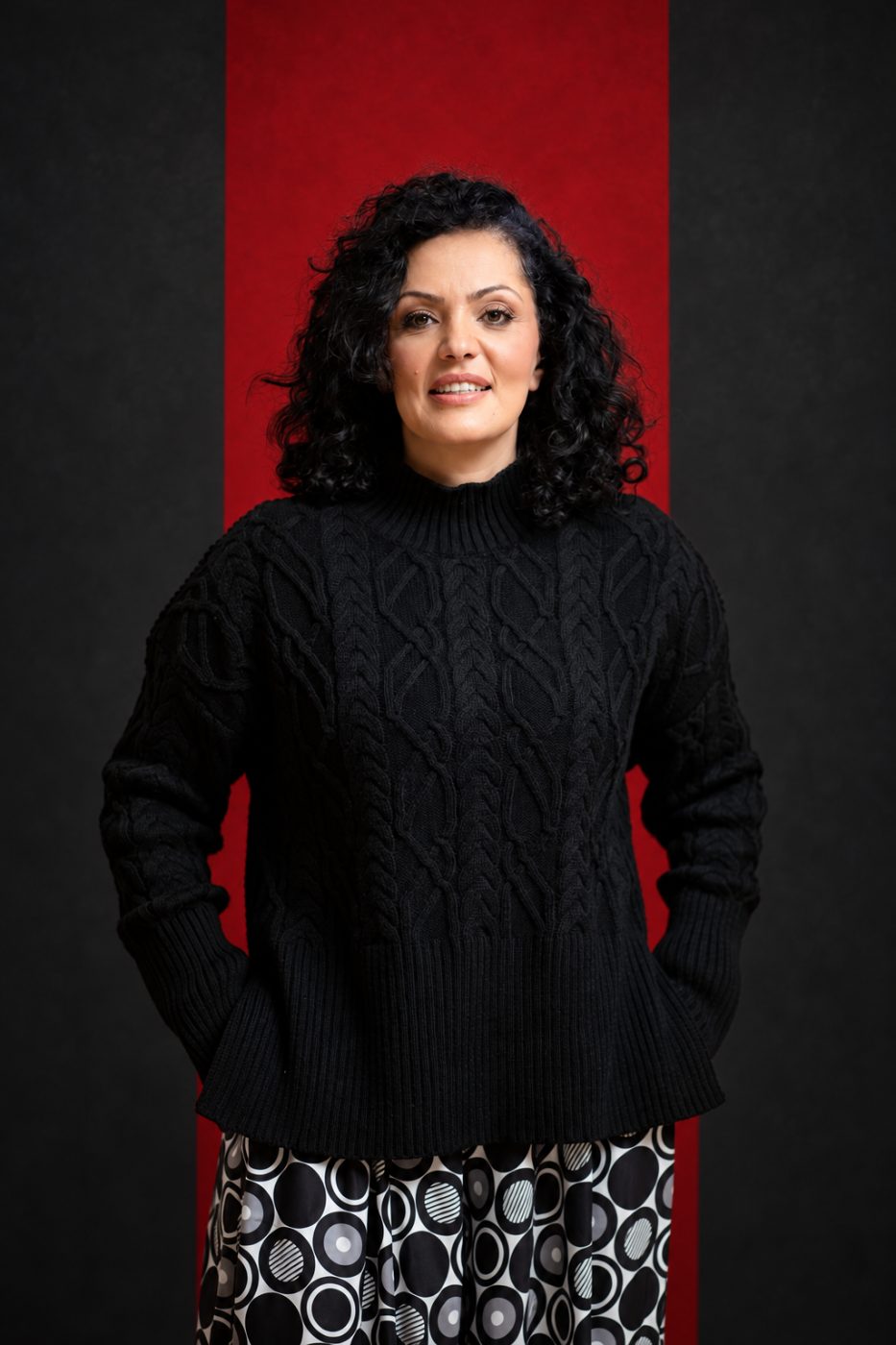
Bardees A. Gamal is a writer and fashion business specialist covering the Arab world's fashion economy, from factory floor to shop floor, and why promising brands stall. She founded the Cairo label Bardees Designs and Fashion Production Services (FPS), a production house that has worked with more than 40 brands across the region, and teaches fashion business in Egypt and the UAE.
Profile and all their articlesThe Fashion Economy Arabia
Egypt sets two million pound fines for fake White Friday discount claims
Your UAE Customer Asks AI First. Can It Find Your Brand?
For Tunisia's Textile Sector, Traceability Is the New Competitive Advantage
Egypt's Famous Cotton Leaves Egypt. Check Your Label.
Weekly Newsletter
Read between the lines before everyone else. Decode the most important economic, tech, and decision-maker movements in the region.. in 5 minutes every Saturday.