Reliable Robotics Raises $115 Million, Surpassing $1 Billion Valuation
Reliable Robotics raised $115 million in an extension of its Series D round led by Nimble Partners, pushing its valuation past $1 billion as it approaches autonomous flight certification.
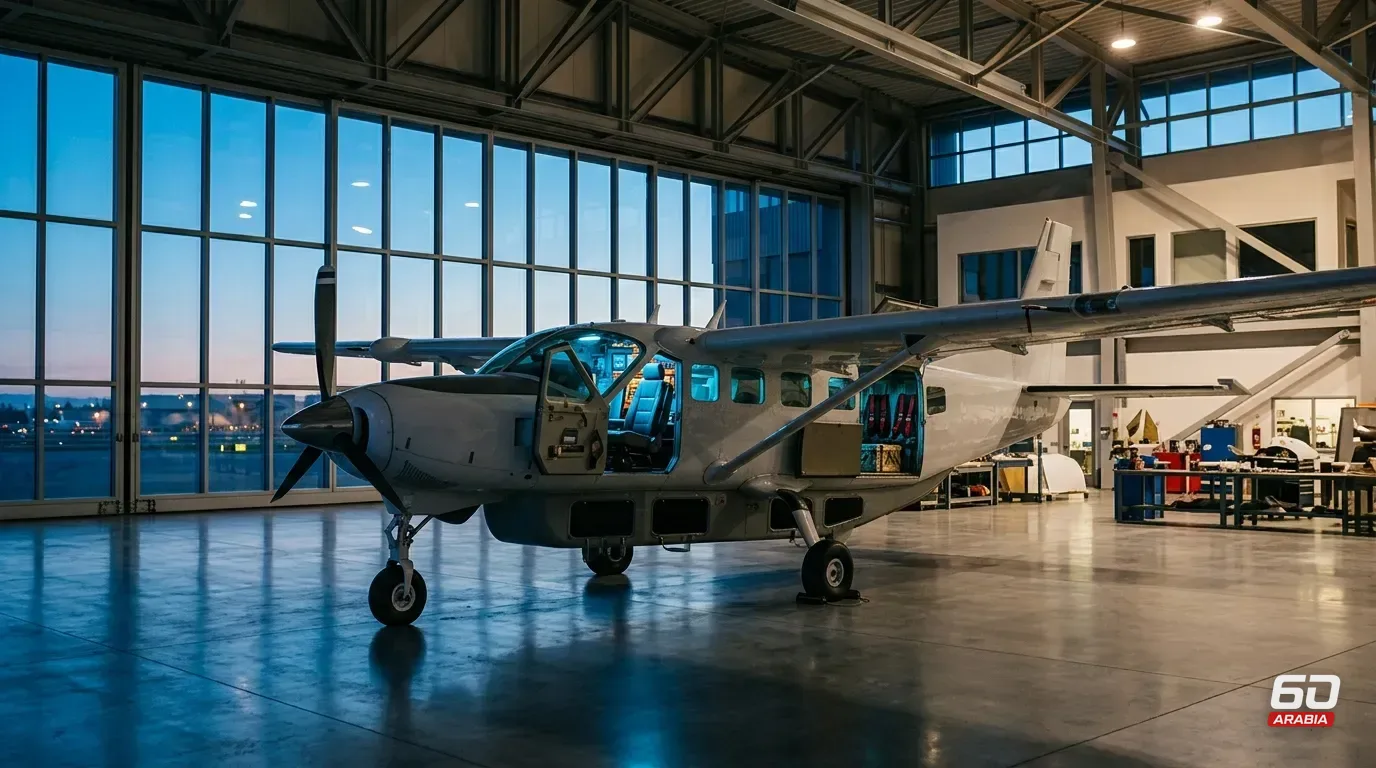
Mountain View, California-based Reliable Robotics raised $115 million in an extension of its Series D funding round, including $90 million in equity led by Nimble Partners and $25 million in debt from Silicon Valley Bank. The Series D round now totals $275 million, and the company's valuation has surpassed $1 billion, bringing the total raised to $380 million.
The company has spent nearly a decade developing autonomous flight technology that can be retrofitted onto existing aircraft, and it is seeking certification from the U.S. Federal Aviation Administration. The company is led by Robert Rose, former director of flight software at SpaceX who also worked at Tesla and Google, while co-founder and CTO Juerg Frefel held an engineering position at SpaceX for about a decade.
The company is working on four certification tracks. The first product includes a continuous autopilot system that manages engine start, taxiing, takeoff, and landing, while the pilot remains inside the aircraft and interacts with the system via a touchscreen, with certification expected within 18 to 24 months. The second track removes the pilot from the cockpit and moves them to a ground control station, which Rose says will take at least three years.
The company is also developing a solid-state collision avoidance radar with no moving parts, expecting its approval by the end of 2027. Its air arm, Reliable Airlines, operates out of Albuquerque with six Cessna Caravans carrying cargo six days a week, and requires a separate certification from the aviation administration. The company plans to open new offices in Seattle and San Diego.
What do these terms mean?
Autonomous flight: Technology that allows an aircraft to execute flight phases without direct human intervention, while a human remains in a monitoring or ground control role.
Series D round: An advanced funding round that comes after Series A, B, and C rounds, typically used for expansion prior to an IPO or entering new markets.
Federal Aviation Administration (FAA): The U.S. agency responsible for regulating civil aviation and certifying aircraft, systems, and operators.
Weekly Newsletter
Read between the lines before everyone else. Decode the most important economic, tech, and decision-maker movements in the region.. in 5 minutes every Saturday.