Gulf States Face 2.4% Contraction as UAE Injects $2 Billion into Damascus Metro
Gulf economies are projected to contract by 2.4% in 2026 due to regional tensions, while the UAE injects $2 billion into the Damascus Metro project as part of a wave of Gulf investment in Syria.
The Gulf economy faces growing pressures, as estimates project a 2.4% contraction in the GDP of GCC countries during 2026, driven by the economic repercussions of regional tensions that cast a shadow over confidence, investment, and oil revenues.
Despite the overall decline, foreign direct investment flows to the Kingdom of Saudi Arabia continue, recording a 2.4% year-on-year increase to $7.1 billion in the first quarter of 2026, while the foreign investment balance in Qatar rose from $45.4 billion at the end of 2025 to $47.2 billion in the first quarter.
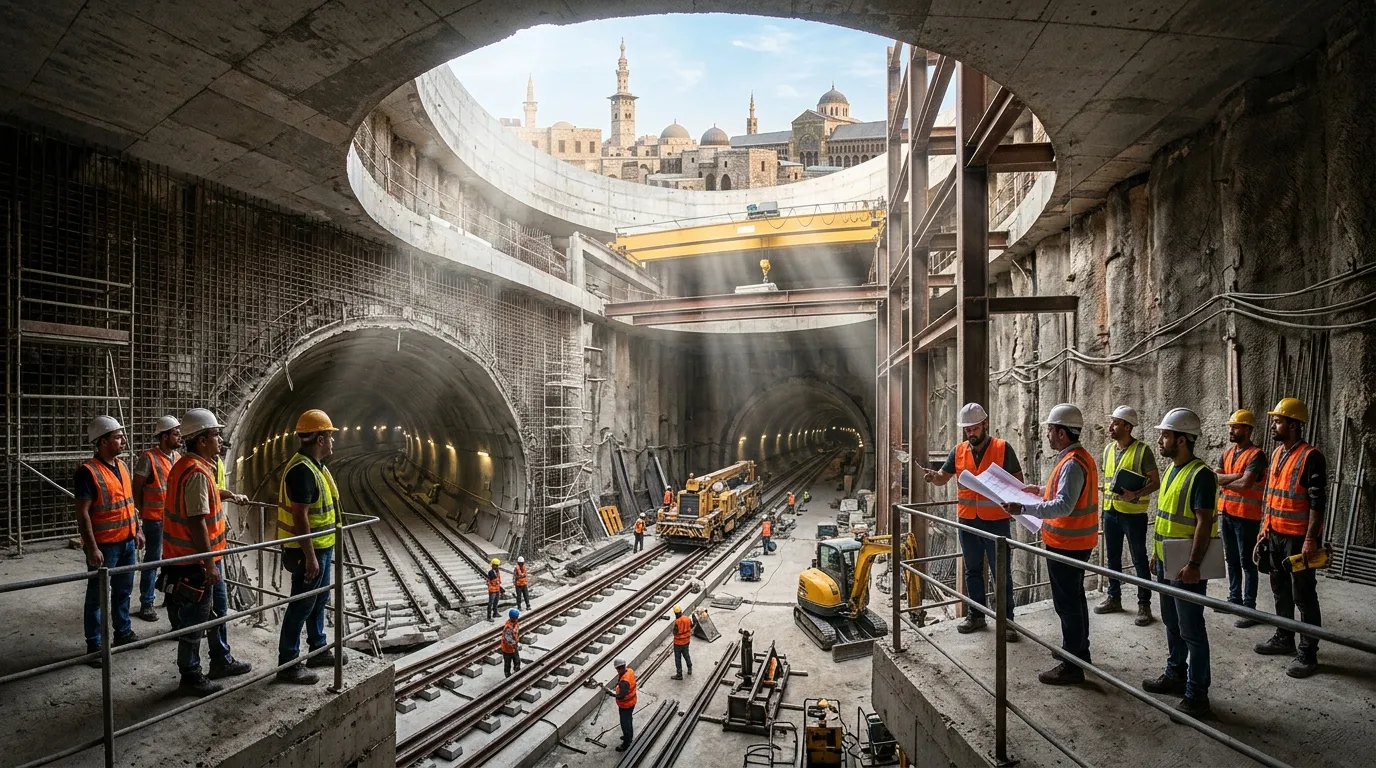
In an indication of Gulf capital heading toward new horizons, the UAE announced the injection of $2 billion to fund the Damascus Metro project in the first major Gulf investment in Syria since the lifting of international sanctions, which analysts view as an emerging commercial opportunity in the Syrian reconstruction market.
Oil prices remaining at $95.40 per barrel serve as a mitigating factor for Gulf budget pressures, however, this level remains below the breakeven point in the budgets of some GCC countries, keeping fiscal pressure persistent, particularly with declining non-oil revenues amid ongoing regional conflict.
What Do These Terms Mean?
Gross Domestic Product (GDP): The total value of goods and services produced by an economy during a year. A 2.4% contraction means the economy is producing less than it did in the previous year, which is an indicator of declining economic activity.
Foreign Direct Investment (FDI): The injection of capital from one country into real projects in another, such as building factories or developing infrastructure. It is considered more stable than investment in financial markets because it creates tangible assets.
Fiscal Breakeven Oil Price: The price per barrel of oil that a Gulf economy requires to cover its government expenditures without a deficit. A drop in the price of oil below this point means the state is spending from its reserves.
Weekly Newsletter
Read between the lines before everyone else. Decode the most important economic, tech, and decision-maker movements in the region.. in 5 minutes every Saturday.