
US Trade Representative Calls for Review of Most-Favored-Nation Principle
US Trade Representative Jamieson Greer called on G20 trade ministers to reconsider unconditional tariffs, while 28 countries agreed to seek higher tariffs on Chinese steel.
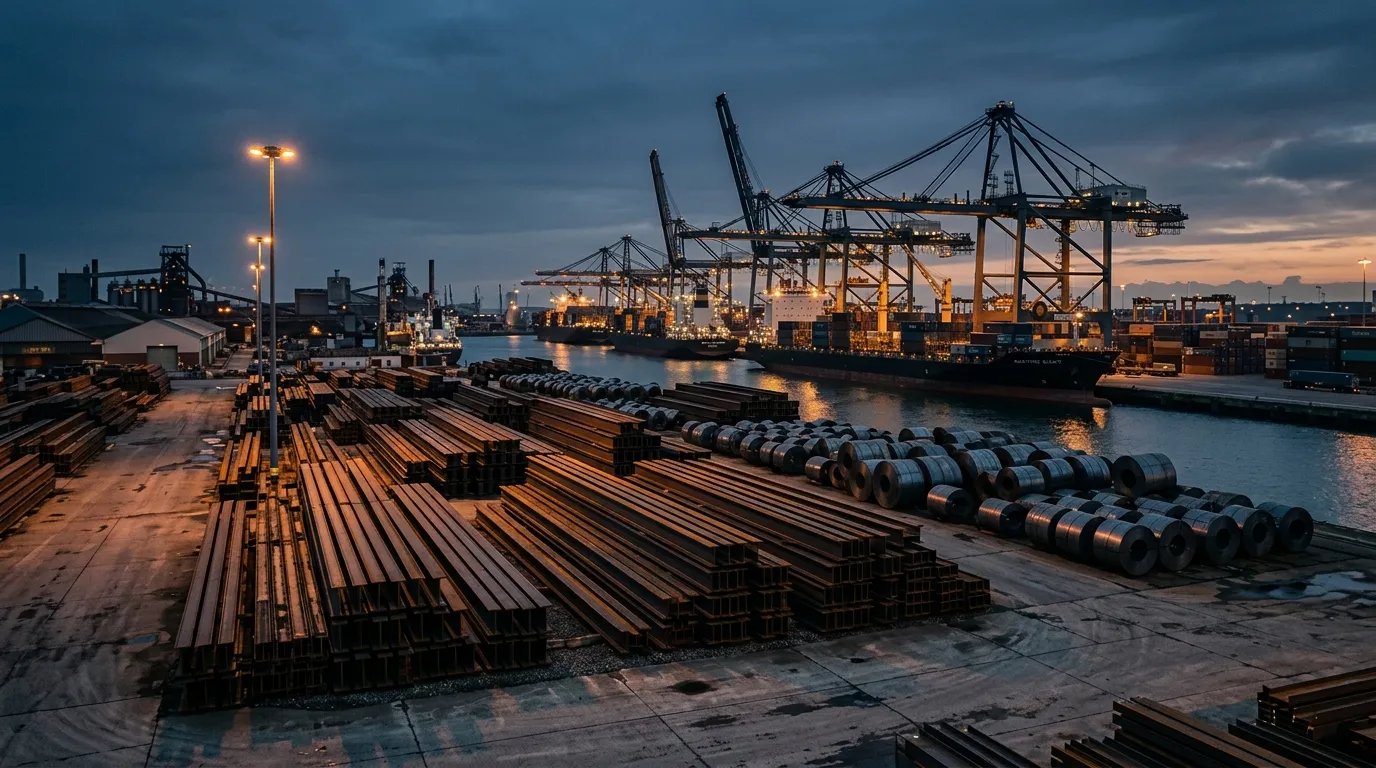
US Trade Representative Jamieson Greer called on G20 trade ministers, during their meeting in Milwaukee, to reconsider tariffs applied unconditionally under the Most-Favored-Nation principle, arguing that they restrict economies' ability to counter trade-distorting policies.
On the sidelines of the meeting, 28 predominantly Western nations agreed to work toward imposing higher tariffs on steel manufactured in China and other sources of excess capacity, according to Reuters reports on the meeting.
This move targets global excess capacity in the steel sector, an issue that has escalated in recent years and prompted several countries to impose safeguard restrictions on imports to protect their domestic plants from cheap price competition.
Arab steel and metal exporters are closely monitoring these developments, as tightening tariffs on Chinese steel could reshape global trade routes, alter export competitiveness in regional markets, and open alternative opportunities. Exporters are awaiting the outcomes of upcoming meetings to determine whether these trends will materialize into actual customs measures.
What do these terms mean?
The Most-Favored-Nation principle is a World Trade Organization rule stipulating that all trading partners be treated equally regarding tariffs. Excess production capacity means production that exceeds global demand. Safeguard tariffs are taxes on imports imposed to protect domestic industry from cheap competition. Unconditional tariffs are those applied automatically to everyone.
Weekly Newsletter
Read between the lines before everyone else. Decode the most important economic, tech, and decision-maker movements in the region.. in 5 minutes every Saturday.