

China Launches 10 Orbital Computing Satellites Aboard Zhuque-2E Rocket
China launched the Zhuque-2E Y4 rocket and placed 10 satellites into orbit, eight of which are part of the "StarCompute" orbital computing plan targeting 2,800 satellites, declaring the mission a complete success.
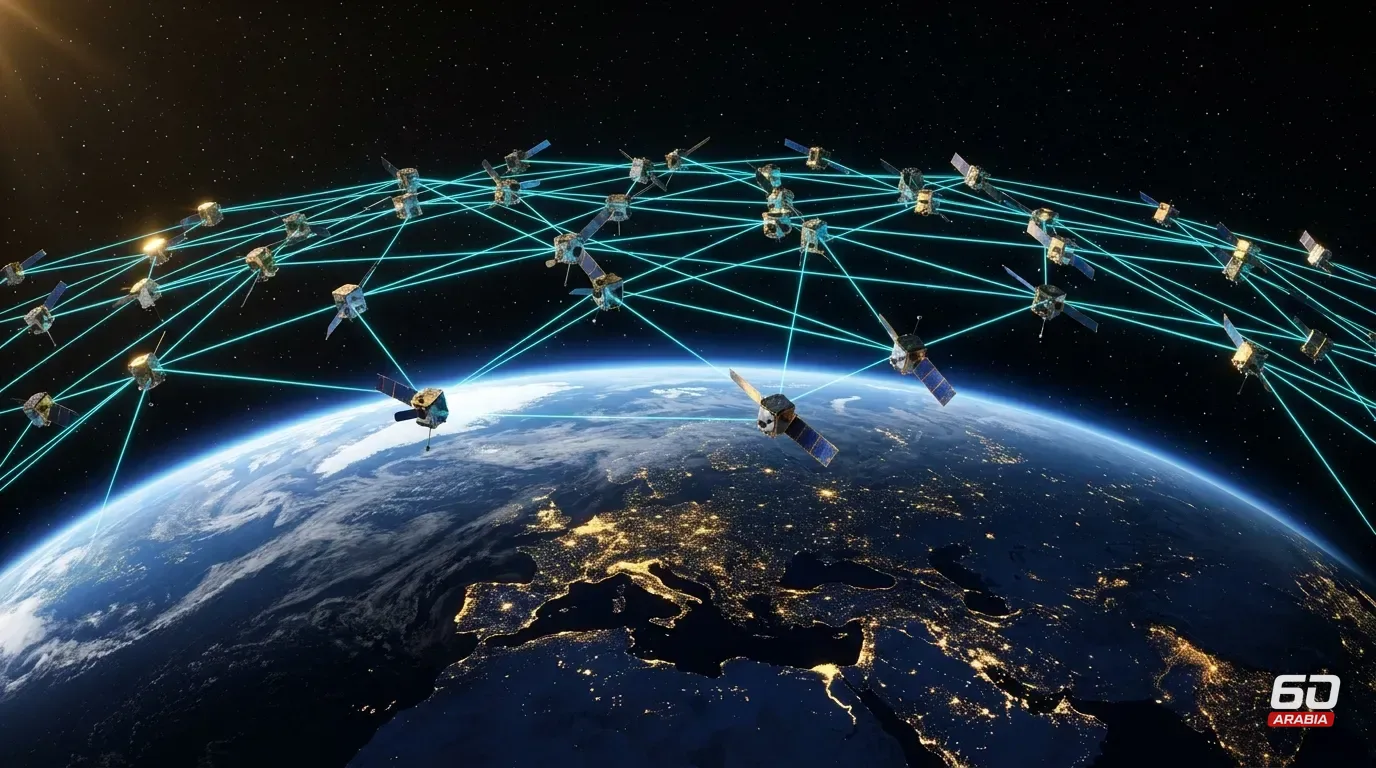
China launched the Zhuque-2E Y4 rocket from the Dongfeng Commercial Space Innovation Zone at 7:40 p.m. Beijing time on October 14, 2026, placing 10 satellites into orbit, according to Xinhua News Agency.
The agency reported that China declared the test a complete success, and that eight of the satellites represent the second batch in AdaSpace's "StarCompute" plan, which aims to build an orbital computing constellation comprising 2,800 satellites.
It explained that the remaining two satellites are dedicated to testing laser communication, in an experimental step toward interconnecting satellites within the network.
This reflects a growing trend toward shifting computing capabilities into orbit rather than relying entirely on terrestrial data centers, according to the same source.
What Do These Terms Mean?
Orbital Computing: Running data processing capabilities aboard satellites in space instead of terrestrial data centers.
Satellite Constellation: A group of satellites working together in coordination to provide a service covering a broad area.
Laser Communication: Transferring data between satellites using laser beams instead of radio waves, with higher speed and greater security.
Orbit: The path in which a satellite revolves around the Earth, with its altitude chosen based on the mission type.
Weekly Newsletter
Read between the lines before everyone else. Decode the most important economic, tech, and decision-maker movements in the region.. in 5 minutes every Saturday.