
US-Iran MoU Expires and Brent Breaks $90 Amid Hormuz Paralysis
The US-Iran Memorandum of Understanding expired today without extension; Hormuz transit collapsed to single digits, 520 ships stranded in the Gulf, and Brent rises 7% weekly.
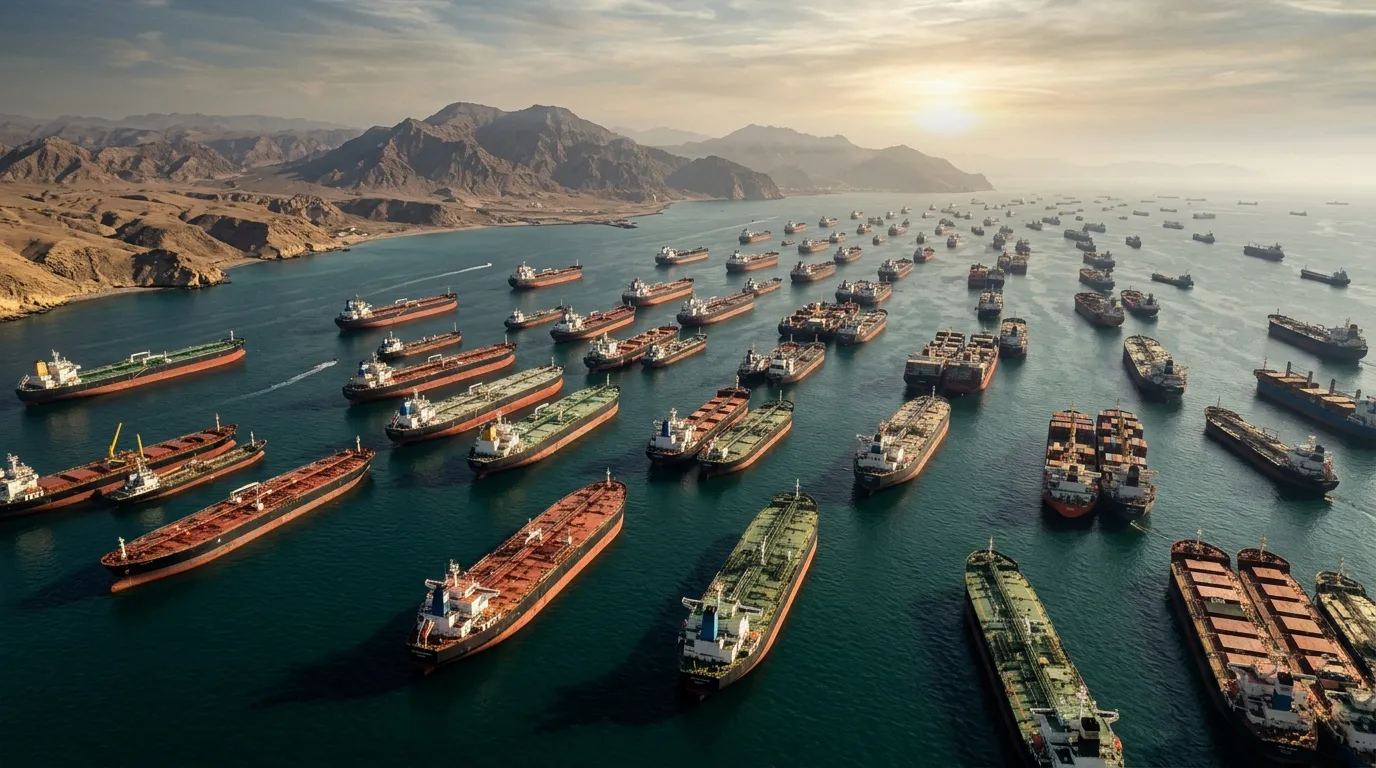
The US-Iran Memorandum of Understanding regarding the Strait of Hormuz expired today, August 18, without extension, after US President Donald Trump rejected on August 17 the extension requested by Tehran. This triggered the most dangerous phase of the Hormuz crisis since its outbreak, amid a collapse in transit traffic to single digits compared to 275 ships weekly before the crisis.
The figures reveal the scale of the bottleneck: around 520 commercial vessels are stranded in the Gulf waiting for a diplomatic resolution, including oil tankers, LNG carriers, and container ships that form the primary energy lifeline for Asian refineries, while Brent crude surpassed the $90 per barrel threshold, rising by more than 7% weekly.
Iran is escalating its demands by requiring transit fees from commercial ships and banning the passage of vessels linked to the United States or Israel, in a stance that threatens to redraw the rules of navigation in the strait through which nearly 20% of global oil trade passes.
This scene makes Hormuz more than an emergency military crisis; if Iranian fees and the navigation ban become established as a status quo, the world faces a radical redrawing of global energy trade routes that could last for years after any ceasefire.
What do these terms mean?
Memorandum of Understanding (MoU): A document defining the framework of an agreement between two parties without being fully legally binding — similar to a "letter of intent" that establishes ground rules for joint work pending a formal treaty.
Brent Crude: The most widely used global oil price benchmark, extracted from the North Sea and used as a pricing reference for nearly two-thirds of international oil trade.
LNG (Liquefied Natural Gas): Natural gas converted into a liquid state through extreme cooling for easier transport by ship; it serves as the primary energy lifeline for Asian nations such as Japan, South Korea, and China.
Weekly Newsletter
Read between the lines before everyone else. Decode the most important economic, tech, and decision-maker movements in the region.. in 5 minutes every Saturday.