
Teledyne Buys Varex for $1.1B: Buying Certified Hardware Beats Building It
An all-cash deal at a 52% premium extends the consolidation of imaging and sensing supply chains serving defense and medical end-markets.
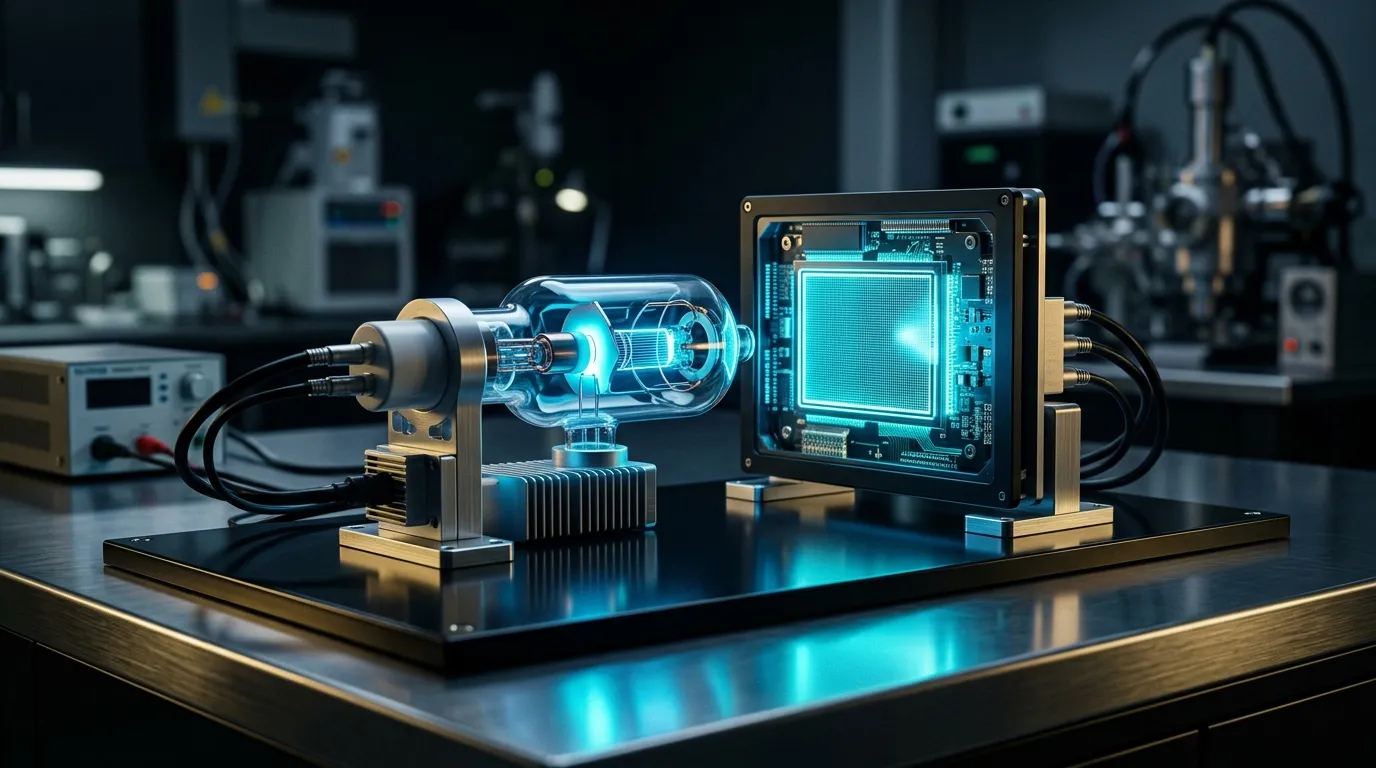
Teledyne Technologies announced the acquisition of X-ray imaging component maker Varex Imaging in an all-cash deal worth $1.1 billion, at $18.90 per share, a premium of more than 52% to the last closing price, with completion expected in early 2027.
Varex manufactures X-ray tubes, digital detectors and imaging software used in medical diagnostics, industrial inspection and security, certified components that take years to develop and license. The deal adds another link to the sensing supply chain of Teledyne, an established player in digital imaging and aerospace and defense electronics.
The transaction extends a consolidation wave running through imaging and sensing supply chains with defense and medical end-markets. The logic is plain: strategic acquirers are paying for certified, revenue-generating hardware rather than building it.
At roughly 10.8 times EBITDA, Teledyne is buying existing revenue and an institutional customer base at a price that remains reasonable against the cost of building equivalent capabilities and earning their certifications, a process that can take a decade in heavily regulated sectors.
The generous premium also reflects asset scarcity: the number of listed companies holding certified imaging components in medical and defense markets shrinks with every deal, raising the price of what remains and tempting boards to accept.
In sensitive hardware, the question is no longer who can innovate but who holds the certification. And certification, as this deal shows, has become something you buy, not something you build.
Key terms explained:
All-cash deal: An acquisition paid entirely in cash rather than in the buyer's shares, giving sellers immediate certainty on value.
Premium: The amount an acquirer pays above a target's market share price to persuade shareholders to sell.
Certified components: Parts that have passed regulatory approval for medical or security use, a process that can take years and is hard for newcomers to replicate.
Consolidation: A wave of mergers that concentrates an industry into fewer, larger players.
Strategic acquirer: A buyer from the same industry that acquires a company for operational fit rather than purely financial return.
End market: The final sector where a product is used — here defense, healthcare and industrial inspection.
Weekly Newsletter
Read between the lines before everyone else. Decode the most important economic, tech, and decision-maker movements in the region.. in 5 minutes every Saturday.