
Washington Sanctions Entire International Criminal Court for First Time
Secretary of State Marco Rubio announced sanctions on the entire International Criminal Court for the first time, including a ban on transactions with it, with a transition period.
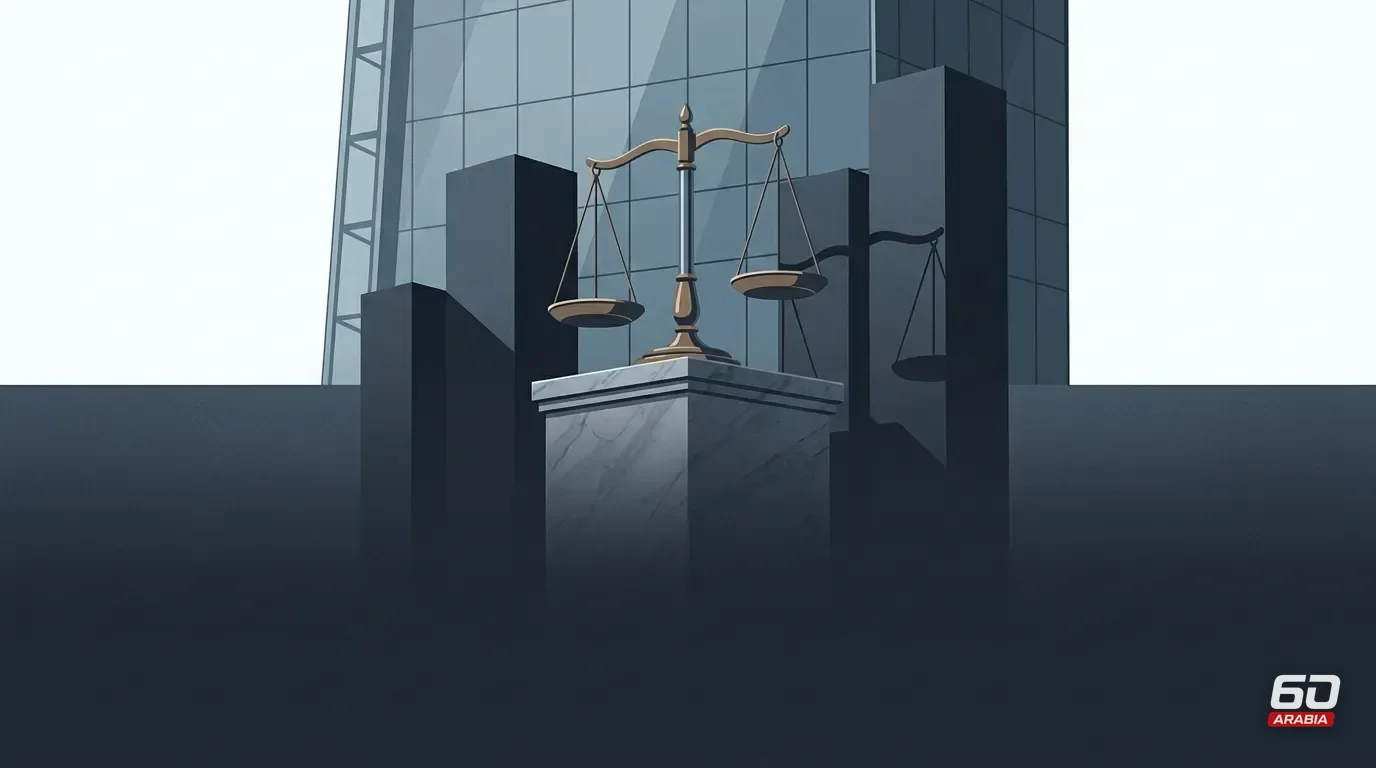
US Secretary of State Marco Rubio said the United States has imposed additional sanctions on the International Criminal Court, targeting the entire court for the first time, as it will ban transactions with "this rogue court, cut off its resources, and disrupt its ability to act against us." Rubio added: "Either the ICC ends its threats, or we will end them," emphasizing that "President Trump will never allow the ICC to prosecute Americans."
The sanctions are expected to restrict the court's access to the US financial system, with a grace period before most prohibited transactions become illegal. Previous rounds of sanctions had targeted individual court officials, including the chief prosecutor and several judges, over investigations involving US and Israeli officials. Rubio pressured court members who rely on American troops for defense to curb the court, or face US efforts to dismantle it "brick by brick."
The court rejected the sanctions, describing them as an "attempt to obstruct the course of justice and prevent the court from fulfilling the purpose for which it was created," and an "assault on the rule of law and the foundations of the international legal system," asserting that "no one is above the law," and warning that "history will judge this moment." Court President Tomoko Akane said: "The court cannot survive alone. Its fate now lies in the hands of the states that created it as well." The European Union expressed deep regret, and UN Secretary-General António Guterres condemned the move.
The step coincided with former ICC judge Navanethem "Navi" Pillay winning the Nobel Peace Prize. Last month, Trump called on all court members to withdraw from it, describing it as "out of control" and a "rogue institution." The court, established in 2002 with 125 member states, does not include the United States, Russia, China, India, and Israel among its members, and the Rome Statute covers war crimes, crimes against humanity, and genocide.
What Do These Terms Mean?
International Criminal Court: A permanent international court that investigates and tries war crimes, crimes against humanity, and genocide, headquartered in The Hague.
Rome Statute: The international treaty that established the International Criminal Court and defined its jurisdiction and rules of operation.
Economic Sanctions: Restrictions imposed by a country on another country or entity, such as a ban on financial transactions, to exert pressure and change its behavior.
Financial Transaction Ban: Prohibiting any economic transactions or financial transfers with the targeted entity, severing it from the banking system.
Weekly Newsletter
Read between the lines before everyone else. Decode the most important economic, tech, and decision-maker movements in the region.. in 5 minutes every Saturday.