
Dream Labs Raises $90 Million and Launches Dream-1 Robotics Model
Dream Labs raised $90 million in a seed round co-led by B Capital and Kindred Ventures, and launched Dream-1 to power untrained robots using simple video.
Dream Labs, a robotics AI company, raised $90 million in a seed funding round co-led by B Capital and Kindred Ventures, with participation from A.Capital, Unusual Ventures, Wing VC, SV Angel, Scribble VC, and individual investor Adrian Aoun. The company also announced its exit from stealth mode alongside the launch of a public API for its foundational robotics model.
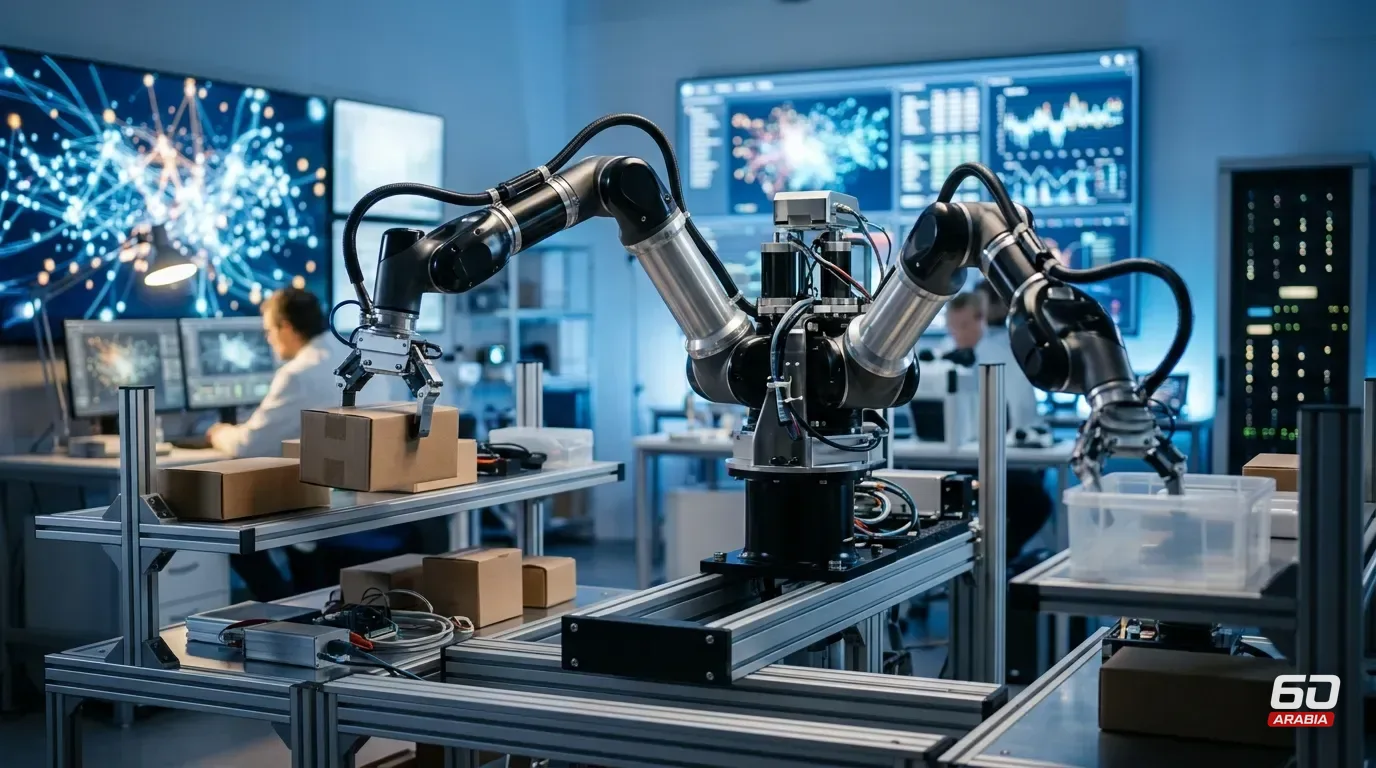
Named Dream-1, the model is designed to serve as a shared brain for robots, learning from videos of people performing everyday tasks such as organizing shelves and packing boxes. Instead of training each robot for a single task, the model predicts what should happen next and determines the required movement, allowing it to work with dual-arm robots it has never seen before on tasks it was not trained on.
The company stated that Dream-1 works with any dual-arm robot equipped with parallel grippers, requiring only a video stream and natural language instructions. The API allows developers to use the model for $3 per hour for the most powerful version and 75 cents per hour for a lighter version, while also offering a fine-tuning service using new videos.
Dream Labs is working with more than 20 robot manufacturers whose machines range in price from $2,000 to $10,000, and has launched a demo platform allowing anyone to control a live robot via a browser. The company will use most of the round's proceeds to purchase compute power to expand the model to mobile robots and robots with dexterous hands. It notes that there are over 5 million industrial robots in the world, most of which are programmed for only a single task.
What Do These Terms Mean?
Foundational Robotics Model: A large artificial intelligence model trained on vast data to power different types of robots instead of programming each robot for a single task.
API (Application Programming Interface): A technical mechanism allowing a program to communicate with another program and use its capabilities automatically.
Fine-tuning: Additional training of a pre-trained model on specific data to improve its performance in a particular task or domain.
Weekly Newsletter
Read between the lines before everyone else. Decode the most important economic, tech, and decision-maker movements in the region.. in 5 minutes every Saturday.