
European Cities Expand Tourist Taxes to Fund Local Services
Italy expects to collect more than 1.2 billion euros from visitor taxes this year, while Amsterdam considers raising its accommodation tax to 20%.
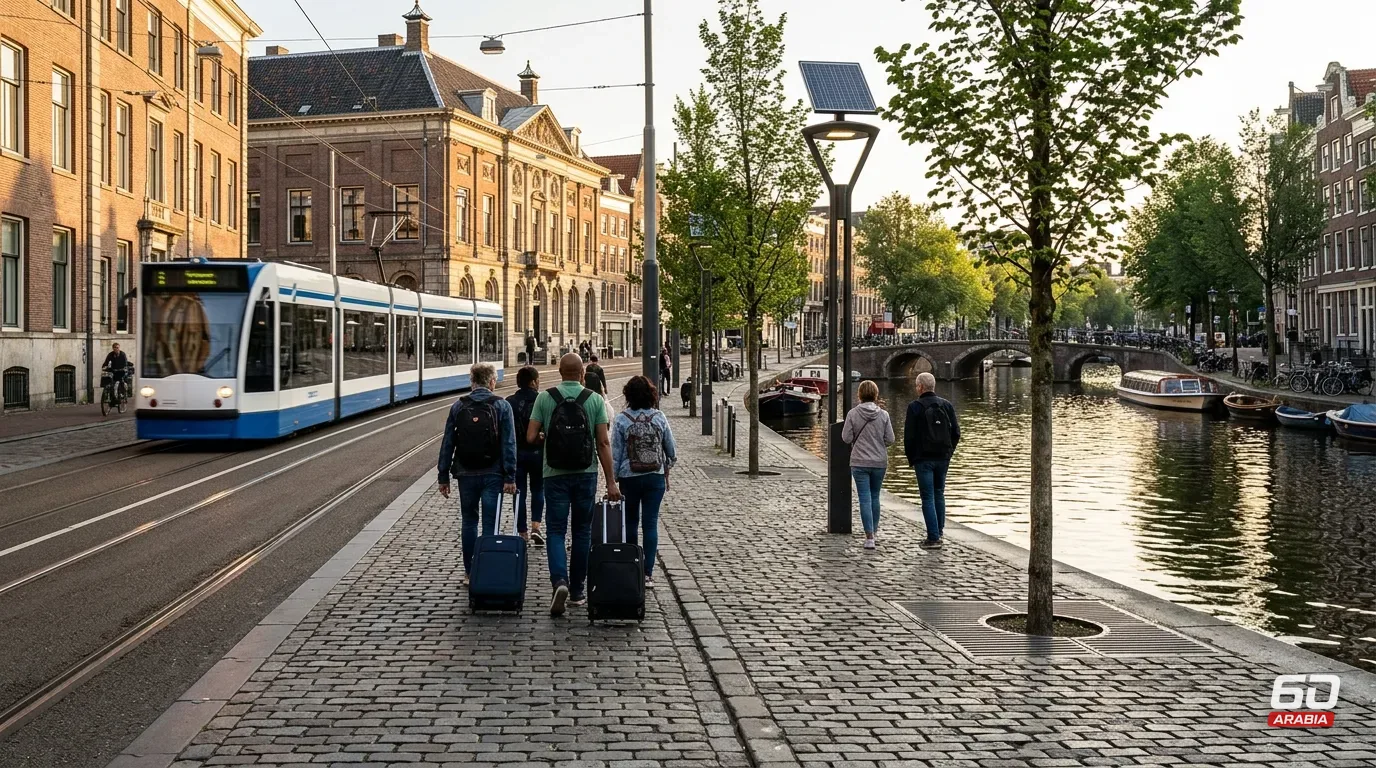
Italy expects visitor taxes to generate revenue exceeding 1.2 billion euros this year across 1,411 municipalities, according to Skift, in an indication of European cities expanding fees on tourists to cover their growing financial needs.
The ruling coalition in Amsterdam is seeking to increase the accommodation tax from 12.5% to 16% and then to around 20%, while Kyoto, Japan, raised its tax ceiling to 10,000 yen, and Japan tripled its departure tax to reach 3,000 yen, showcasing various models for converting the cost of visiting into a permanent source of income.
These revenues are increasingly being directed toward funding housing, transportation, and climate resilience, rather than being limited to tourism promotion. This means that tourists now contribute to funding local services used by residents, transforming from guests into infrastructure funders.
This shift raises questions about its impact on tourism demand and hotels' ability to pass costs on to visitors, especially in cities already suffering from pressures on housing and infrastructure. This makes tourist taxes both a financial tool and a policy for regulating visitor flow. As more cities turn to these tools, hotel operators must factor taxes into their cost structure from the planning phase rather than post-operation, and assess their impact on travelers' destination choices.
What do these terms mean?
Visitor tax: A fee paid by tourists upon stay or departure, collected by the local government or hotel. Accommodation tax: A percentage added to the price of a hotel room night. Climate resilience: A city's ability to cope with the impacts of climate change, such as heat and flooding.
Weekly Newsletter
Read between the lines before everyone else. Decode the most important economic, tech, and decision-maker movements in the region.. in 5 minutes every Saturday.