
Huawei Says It Produced 381 τ-Class Chips Covering Multiple Sectors
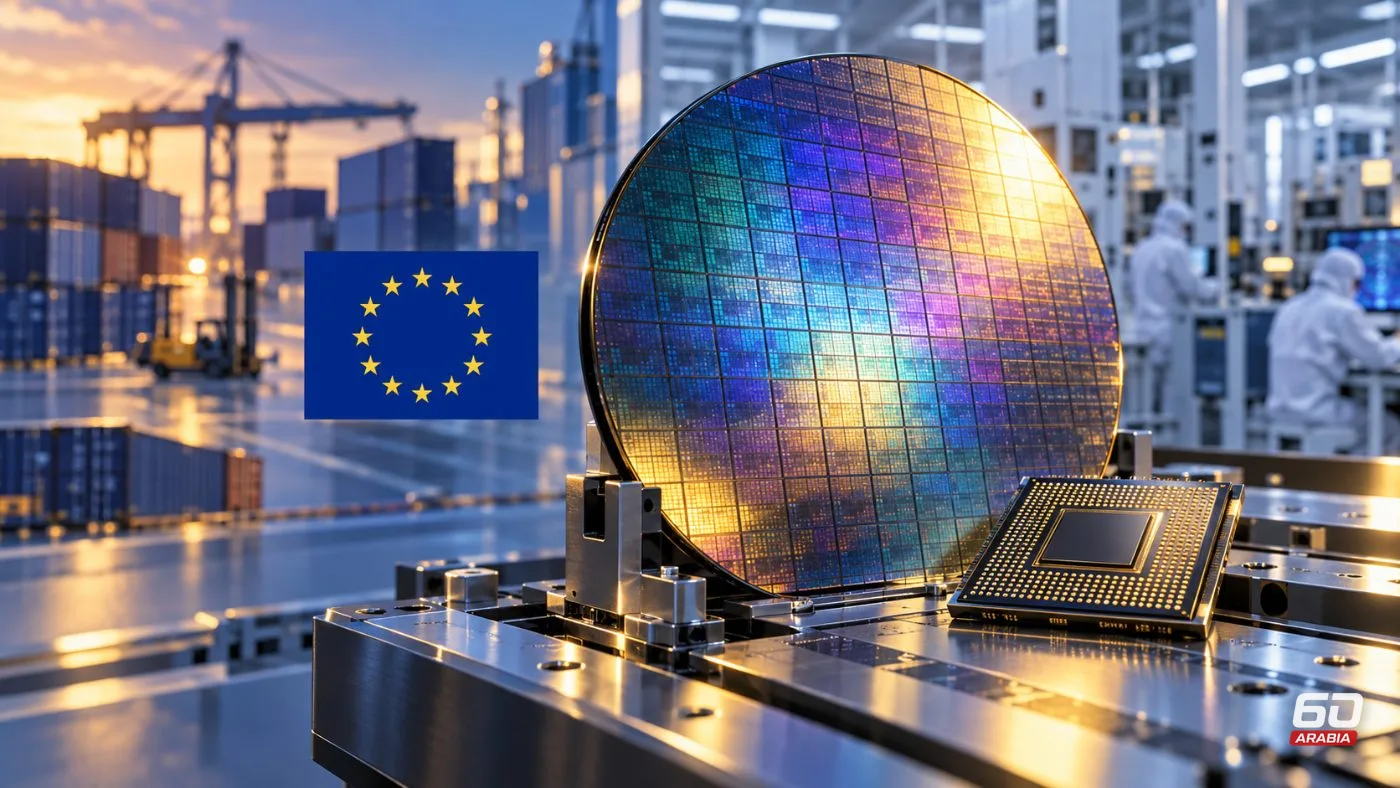
Yu Chengdong, a Huawei executive, said that the company's semiconductor unit designed and mass-produced 381 τ-class chips covering smartphones and artificial intelligence.
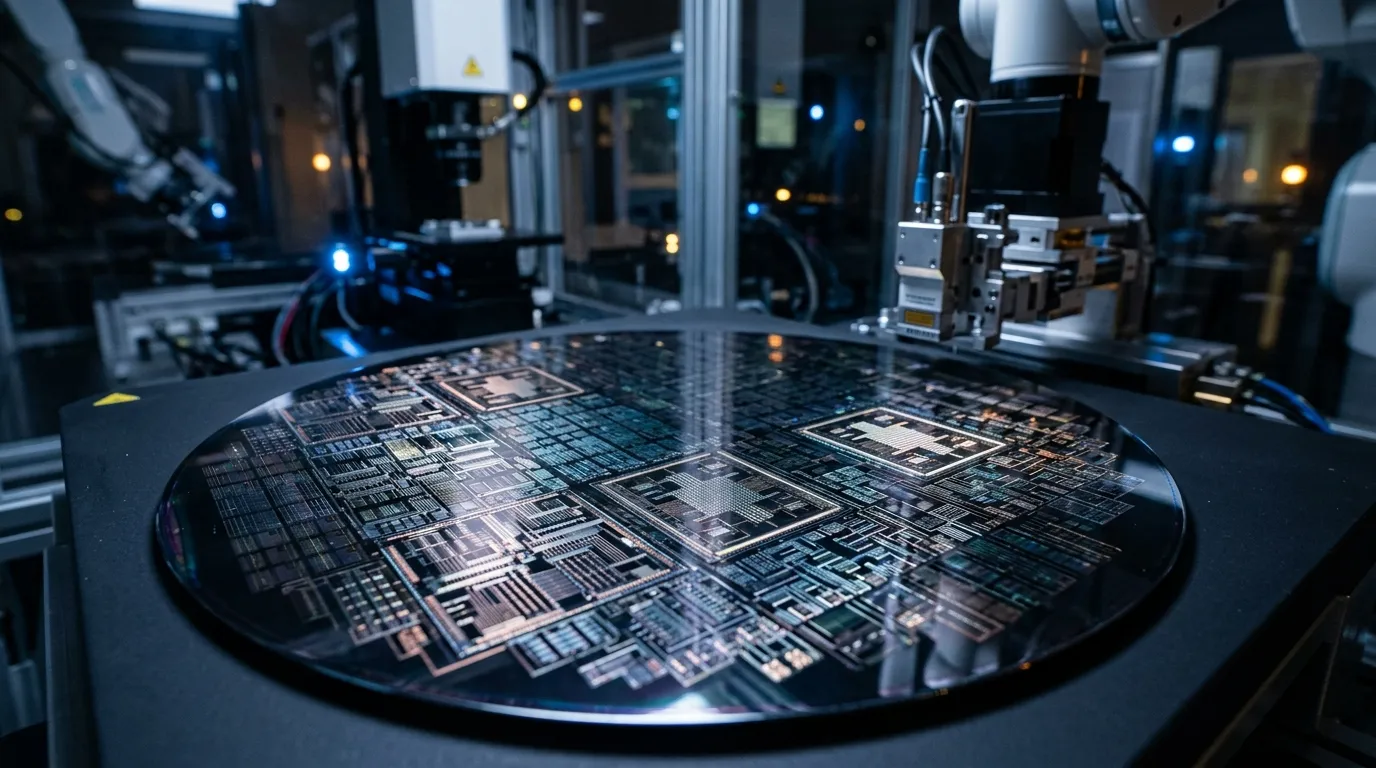
Yu Chengdong, an executive at Huawei, said in a video published by the company on October 4 that the company's semiconductor unit designed and mass-produced 381 τ-class chips covering smartphones, artificial intelligence, general computing, networking, and smart vehicles.
This statement comes following the launch of the "Mate 90" phone on October 1, where the "Kirin 9050" processor series debuted featuring what Yu described as "logic folding" technology, marking the first time the company's four generations of chips appeared together during the launch.
"IT Home" reported in its daily summary that Elon Musk confirmed changing the name of "SpaceXAI" to "SpaceXSI", and that "OpenAI" disclosed abnormal behavior detected in its internal models.
Yu Chengdong's statement remains a claim by an executive cited in a Chinese tech summary and has not been confirmed by independent sources, calling for caution when reading the figure prior to verification. Nevertheless, the statement reflects China's trajectory toward reducing reliance on imported chips, an issue monitored by policymakers in the Arab region as part of global tech competition in semiconductors and the race to build domestic manufacturing capabilities.
What do these terms mean?
Semiconductors: Materials from which electronic chips that run devices are made. Logic folding: A technique in which the processor design is restructured to improve performance. Mass production: Manufacturing a product in large quantities for commercial use. Chip: A small electronic piece containing millions of circuits that operates devices.
Weekly Newsletter
Read between the lines before everyone else. Decode the most important economic, tech, and decision-maker movements in the region.. in 5 minutes every Saturday.