
UK Hotel Occupancy Rises to 82.8%, But Profit Margin Declines
UK hotel occupancy rose to 82.8% in August, but the gross operating profit margin dropped to 36.3% amid tourism tax risks and inflation.
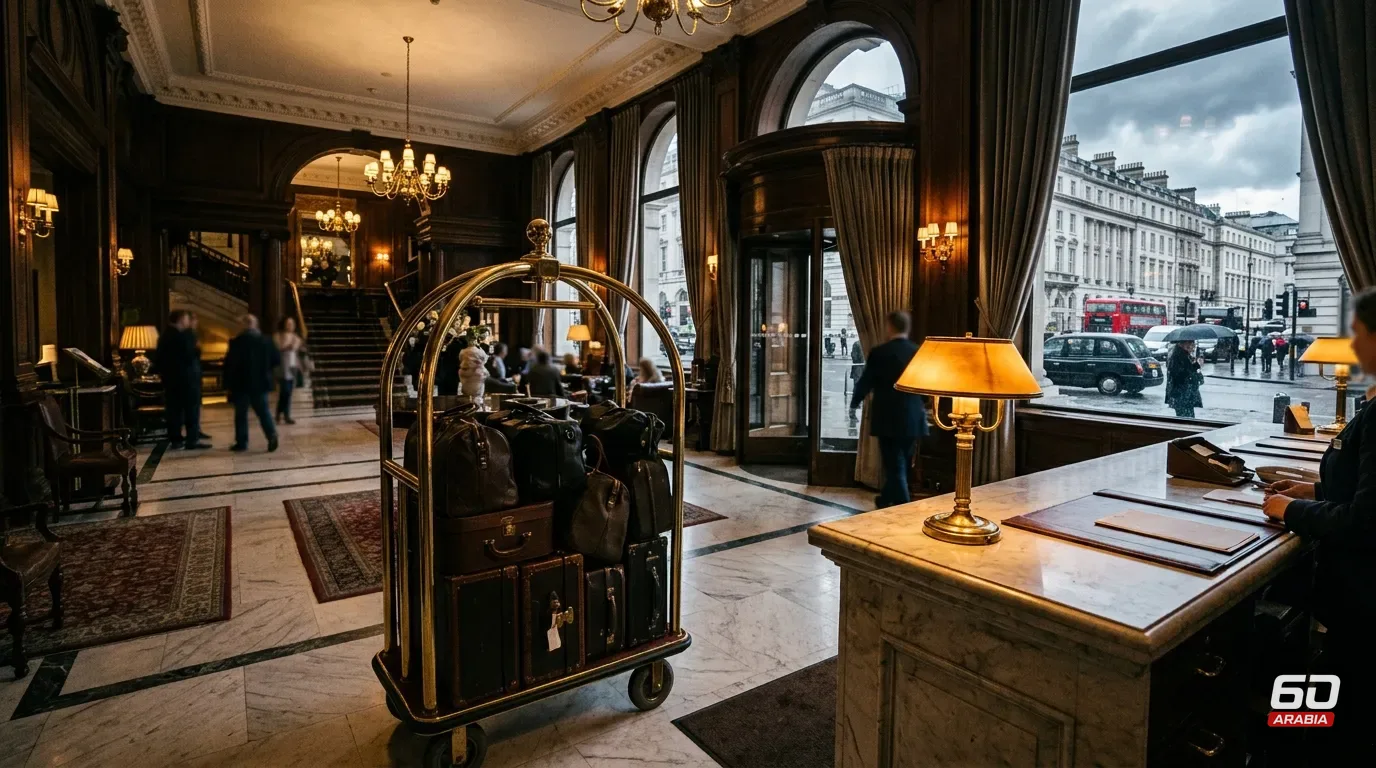
The UK hotel occupancy rate rose to 82.8% in August 2026 from 82.3% in the same month last year, while occupancy in London remained stable at 84.4%, according to the RSM UK Hotel Index.
Revenue per available room (RevPAR) in the UK increased to £129.48 from £125.79, indicating an improvement in average prices despite weak occupancy growth, which did not exceed half a percentage point year-on-year. This means that the revenue increase was primarily driven by price rather than the number of occupied rooms.
However, the gross operating profit margin fell from 37.2% to 36.3%, meaning that the revenue increase did not translate into improved profitability, amid cost pressures eating into a portion of the gains from higher prices.
The report attributes these pressures to a proposed tourism tax and inflation approaching 4.5% early next year, two factors that could dampen demand and squeeze margins simultaneously, leaving the sector's profitability dependent on its ability to pass costs on to prices without weakening demand for accommodation. Figures indicate that growth in revenue per available room was driven more by rates than occupancy, a pattern that is difficult to sustain if consumers continue to reduce the number of nights stayed amid living cost pressures.
What do these terms mean?
Occupancy rate: The percentage of occupied rooms out of the total available rooms in a hotel. Revenue per available room (RevPAR): The product of multiplying the average room rate by the occupancy rate. Gross operating profit margin: The percentage of profit remaining from revenue after deducting direct operating costs.
Weekly Newsletter
Read between the lines before everyone else. Decode the most important economic, tech, and decision-maker movements in the region.. in 5 minutes every Saturday.