
NASA Awards $4.8 Billion Near Space Network Contracts for Communications Services
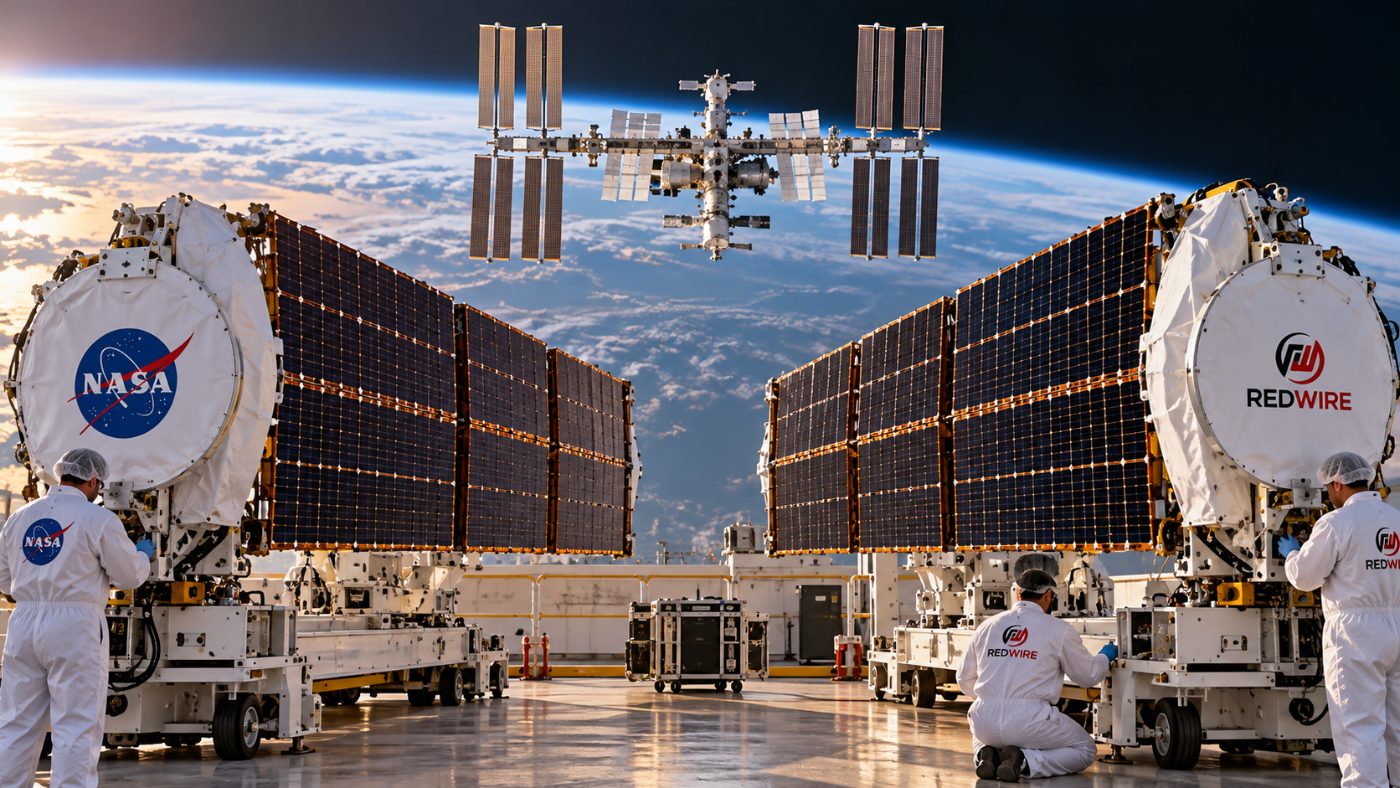
NASA has awarded $4.8 billion in contracts to operate the Near Space Network, which provides communications and tracking services for Earth-orbit missions and beyond.

The National Aeronautics and Space Administration (NASA) has awarded major contracts totaling $4.8 billion to operate and develop the Near Space Network, the system responsible for providing communications, tracking, and data relay services for hundreds of space missions in Low Earth Orbit and beyond.
This network aims to ensure minimal disruption in communication with spacecraft, scientific satellites, and space stations, forming the backbone of the communications infrastructure for NASA's programs over the coming decades, including the Artemis program to return to the Moon.
The Near Space Network is a modern extension of the multi-directional space network launched by NASA decades ago; however, the new version relies heavily on commercial satellites and private-sector partnerships rather than exclusive government investment.
The sheer scale of this contract reflects the strategic priority NASA places on ensuring the safe flow of data from its scientific and exploration missions in a space environment that has become increasingly crowded with satellites. This contract represents one of the largest investments in space communications infrastructure since the launch of the Deep Space Network in past decades.
What do these terms mean?
Near Space Network: A system of satellites and ground receiving stations responsible for sending commands to spacecraft and receiving data from them, covering orbits near Earth up to a distance of two million kilometers.
Low Earth Orbit (LEO): A region with altitudes ranging between 200 and 2,000 kilometers above the Earth's surface, where the International Space Station and thousands of commercial and military satellites orbit.
Space Data Relay: The process of transmitting scientific information, imagery, and sensing data from satellites to ground receiving stations via radio waves or optical lasers.
Weekly Newsletter
Read between the lines before everyone else. Decode the most important economic, tech, and decision-maker movements in the region.. in 5 minutes every Saturday.