
Hormuz Closure Permanently Redraws Global Energy Infrastructure
The closure of the Strait of Hormuz has transformed from a temporary crisis into a catalyst for restructuring global energy infrastructure, as investments accelerate in alternative pipelines and LNG terminals.
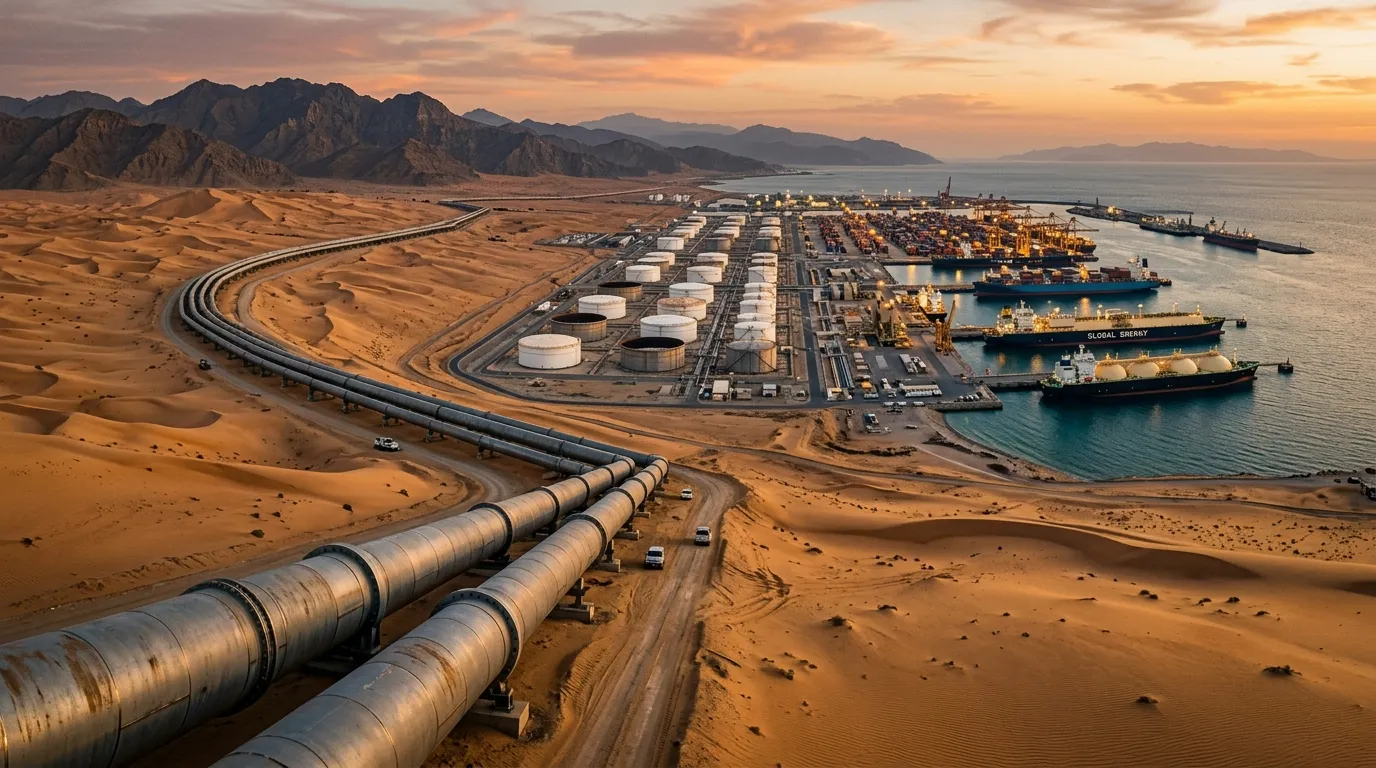
The closure of the Strait of Hormuz is structurally redrawing the global energy map in an unprecedented manner, as producing and consuming countries alike accelerate investment in permanent alternatives away from the waterway through which nearly 20% of global oil supplies used to pass.
Gulf countries launched mega-projects to expand overland bypass oil pipelines, led by the expansion of the Abu Dhabi-Fujairah pipeline whose capacity was raised to 1.5 million barrels per day, while Saudi Arabia announced accelerating work on new pipelines heading toward the Red Sea.
In contrast, Asian energy-importing nations poured billions of dollars into expanding liquefied natural gas (LNG) terminals along the shores of the Arabian Sea, while India, South Korea, and Japan re-evaluate their strategic reserves and diversify import sources.
This shift reveals that the global energy market is radically reshaping itself; what began as a waterway crisis is turning into a comprehensive restructuring of energy supply chains for decades to come.
What do these terms mean?
Strait of Hormuz: The narrow waterway between Iran and Oman connecting the Arabian Gulf to the Arabian Sea, through which massive volumes of oil and gas destined for world markets pass.
Liquefied Natural Gas (LNG): Natural gas that is cooled until it turns into a liquid, allowing it to be transported on tankers across seas instead of fixed pipelines.
Energy Infrastructure: Massive facilities such as pipelines, ports, and storage terminals that connect production regions to consumption, requiring years to build at costs of hundreds of billions.
Weekly Newsletter
Read between the lines before everyone else. Decode the most important economic, tech, and decision-maker movements in the region.. in 5 minutes every Saturday.