
The Role of Technology in Family Businesses

Summary
A company that operates through a person rather than a system will grind to a halt when that person is absent. Governance, ERP, and AI are not luxuries—they are the difference between an enduring institution and a personal business.
Think with me about the founding father of a company, who lived every detail of it, and whose decisions were all in his head rather than on paper. The day he is absent, or even slightly preoccupied, you find the company standing still. Because it was operating through a person, not a system.
This is where governance comes in. Not to complicate the company with endless committees and meetings. Governance is simply the answer to a single question:
Who decides what, on what basis, and if they are absent, who steps in to take their place?
So, where does ERP fit into all of this?
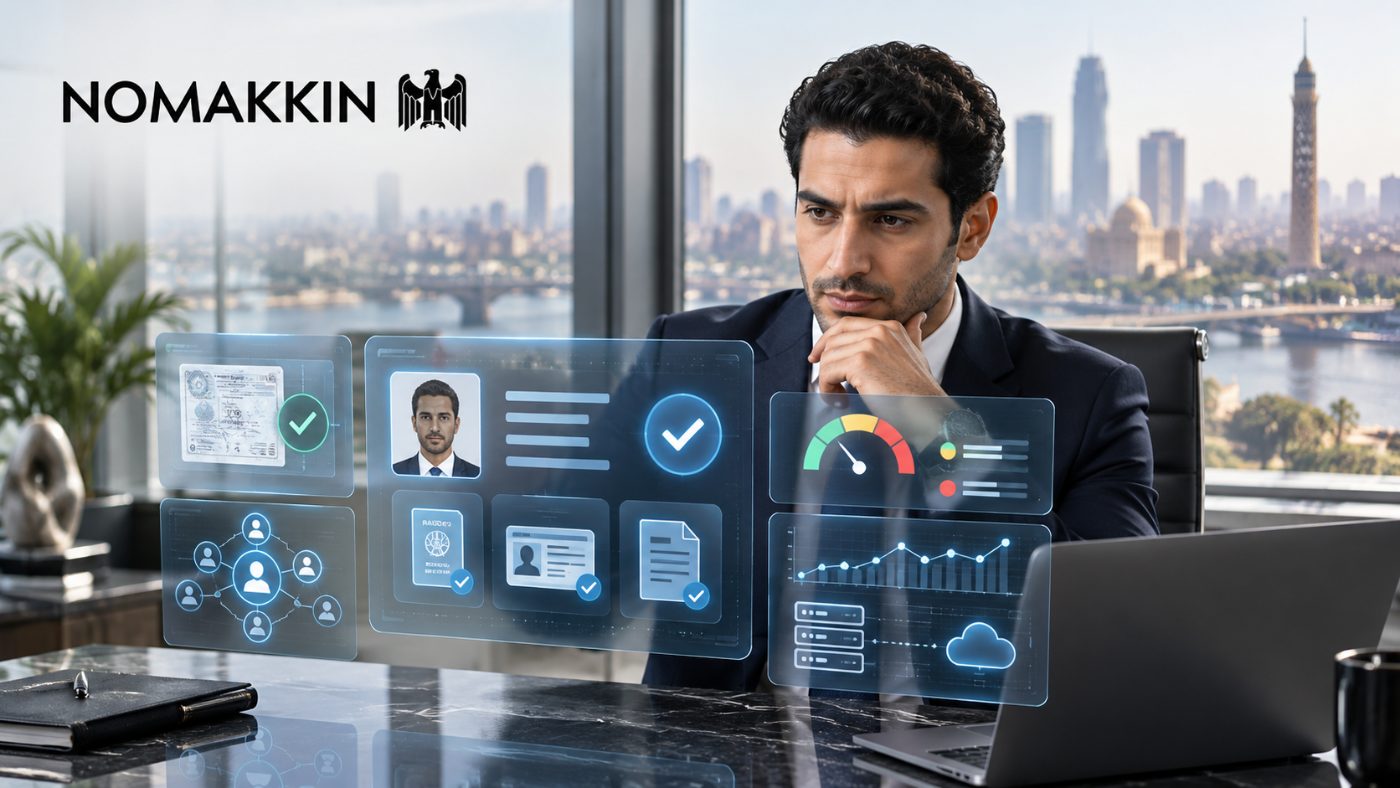
ERP is not an accounting system, and if anyone understands it that way, they are using it wrong. ERP is where governance transforms from written words into daily behavior. Do you have a policy that any expense above a certain amount must be approved at a specific level? The ERP system prevents the expenditure in the first place if this policy is bypassed, rather than merely recording it after it happens.
The problem I see in many companies is that they purchase a fancy system and dump organized chaos into it. The same absence of roles and permissions, but now on a screen instead of inside a desk drawer. Automation speeds up everything—right and wrong alike. If governance is not clear from the start, ERP will only accelerate chaos, not resolve it.
I view AI in a family business as an independent core pillar, not a tool added at the very end after everything is done. Because it learns from the company's decisions and data. If those decisions were absent, conflicting, or undocumented, it will learn the chaos itself, delivering a fast, incorrect decision with high confidence. This is far more dangerous than the absence of a decision, because chaos is now speaking in a confident voice.
The question that aches when I evaluate any company isn't "Do you have a system?".
The question is: Does this system exist for the person, or regardless of the person?
If the answer is the former, the business remains personal, regardless of how much was invested in technology. If the answer is the latter, then you have truly begun building a sustainable institution.
True governance is not a committee, a PDF document, or a logo on an office door. It is a clear answer to: Who decides, why, and what happens if this person is not here today?
ERP executes this answer relentlessly every day, while AI monitors and accelerates it. But if the answer itself does not exist, all this technology will merely be fancy tools documenting chaos at a faster pace.
My question to every family business owner: If you were away for a month without a phone, how would your company make decisions? Or would all decisions wait for your return?
Article Glossary
Governance
A clear framework that defines who decides what, on what basis, and who takes over if the person in charge is absent. It is not just committees and meetings—it is a framework that ensures business continuity regardless of individuals.
ERP (Enterprise Resource Planning)
Not just accounting software. It is the system that translates company policies into automated daily behavior—preventing unauthorized spending and enforcing permissions without requiring human intervention at every step.
Automation
Transforming repetitive processes to run automatically without human intervention. It speeds up everything—right and wrong alike—so if governance is unclear from the start, automation accelerates chaos rather than solving it.
AI — Artificial Intelligence
In a business context, AI learns from the company's own data and decisions. If this data is incomplete or conflicting, it will learn the chaos itself and issue wrong decisions with high confidence—which is far more dangerous than having no decision at all.
The Family Business Arabia

Weekly Newsletter
Read between the lines before everyone else. Decode the most important economic, tech, and decision-maker movements in the region.. in 5 minutes every Saturday.