The Problem Is in a 38-Kilometer-Wide Strait… and the Cure Is in Jackson Hole
Summary
حين تحدّث وارش في جاكسون هول عن التضخم، كانت ناقلات النفط تسلك طرقاً بديلة عبر هرمز. رفع الفائدة لا يوسّع المضيق.
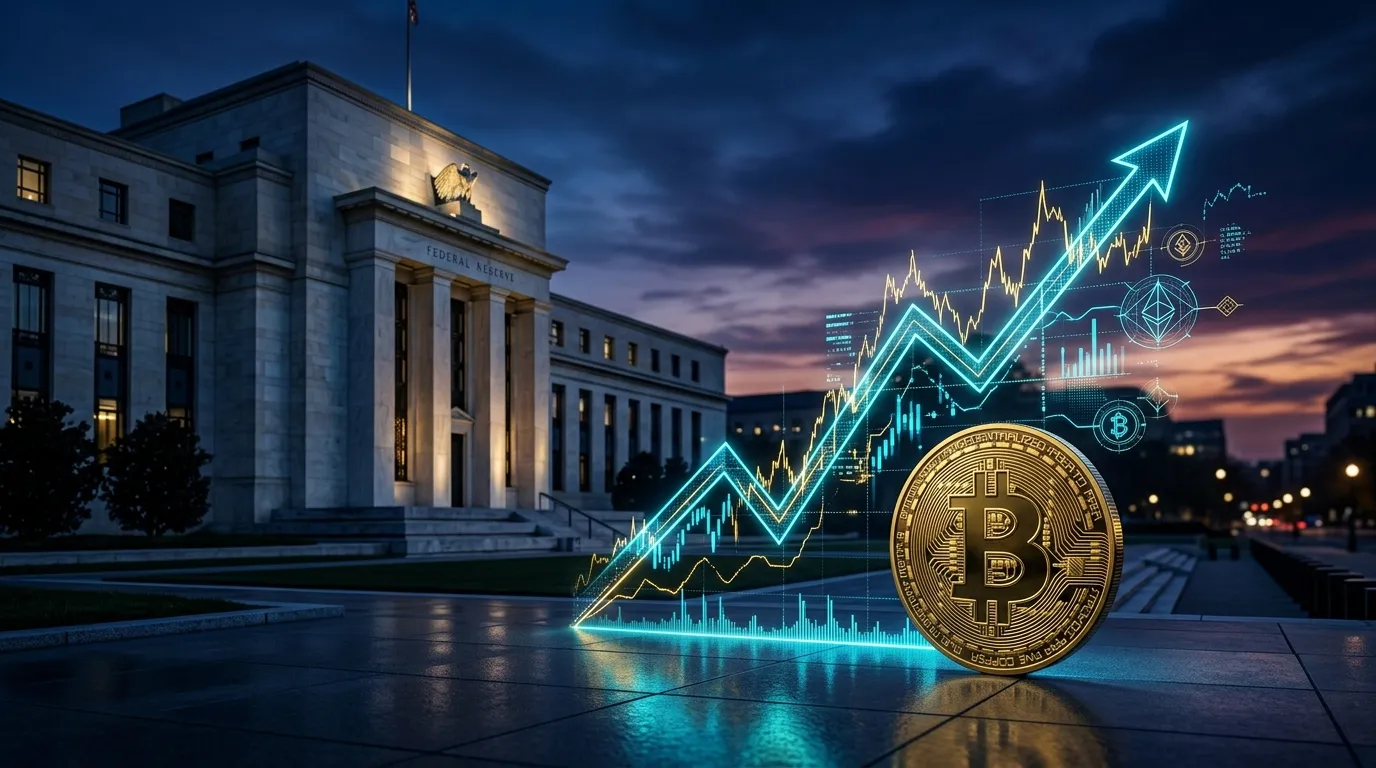
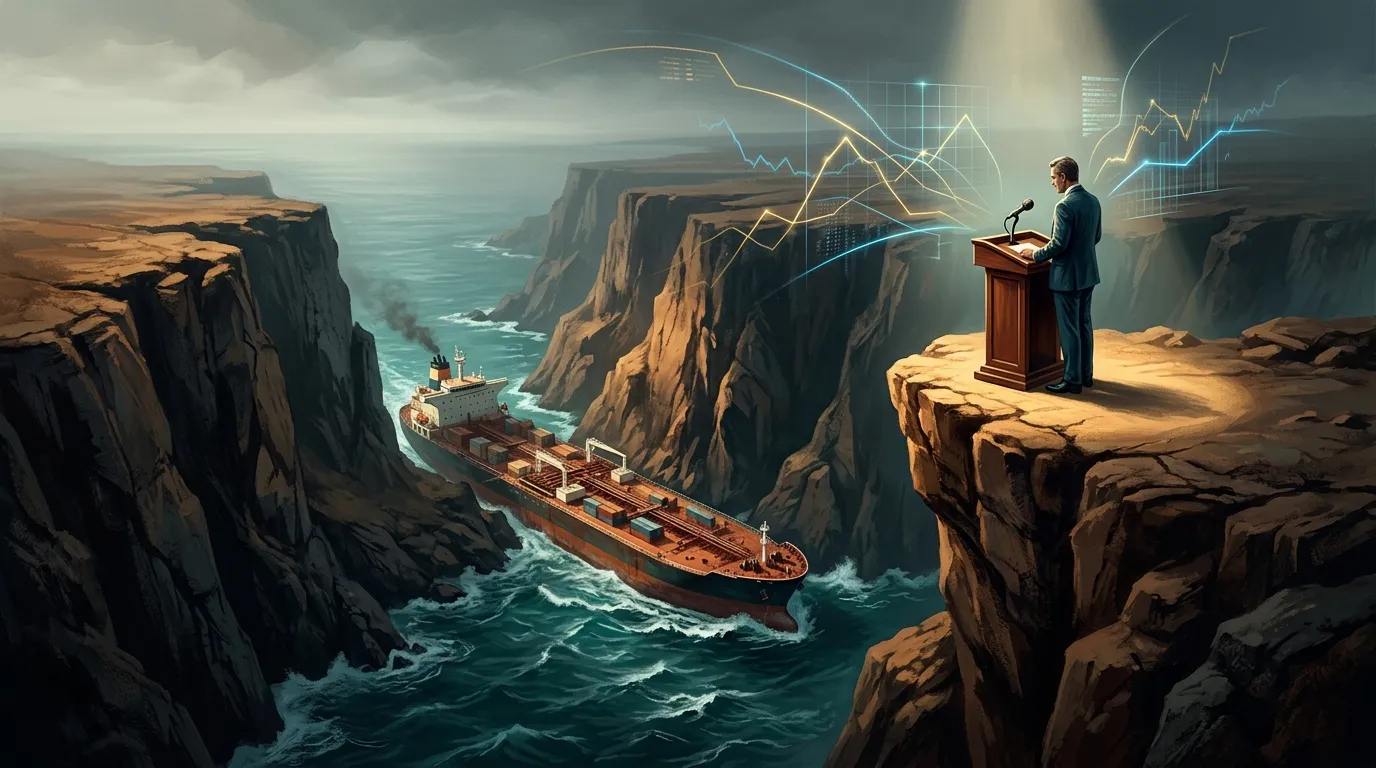
Kevin Warsh stood on the Jackson Hole podium last Friday and calmly said: "We still have a lot of work to do." A single sentence changed the mood in the markets. The probability of an interest rate hike in September jumped from 35% to 60% within hours. The dollar rose. Equities fell. Gold dropped 3% in a single day.
The scene is familiar: a hawkish central bank, nervous markets, and a statement that moves billions.
But while Warsh was talking about inflation, oil tankers in the Strait of Hormuz were taking alternative routes due to geopolitical tensions that never made their way to the Wyoming stage. And the question that should have been asked there, but wasn't: which inflation exactly does raising interest rates cure?
Those who work in finance know that there are two types of inflation. There is demand-pull inflation, coming from too much money chasing too few goods, which is what rate hikes actually address. It makes borrowing expensive, slows spending, and restores balance.
And there is a completely different type: cost-push inflation stemming from a supply shock—from a geography that does not negotiate.
The Strait of Hormuz is 38 kilometers wide. Through it passes 30% of global seaborne oil and 20% of liquefied natural gas. When this strait experiences tension, energy prices soar, and everything else rises with them—from shipping costs to electricity to bread. Raising interest rates won't widen the strait. It won't slow down tanker movement. It won't convince any party to de-escalate.
The Fed is acting as if it's turning off the faucet to fix a sewage overflow. The tool is right, but in a different environment.
But it isn't that simple. US PCE is at 3.7%, with more than half of its components above 3%. There is real pressure in services, housing, and the domestic market. Meaning the Fed isn't chasing an illusion; it has a genuine reason to be concerned. But the paradox is that demand-pull and supply-side inflation appear blended in the same figure, and the only tool in the Fed's hands cannot distinguish between them. This is not a criticism of the Fed; it is a description of the structural limits of any central bank in the world.
Japan understands part of this story in its own way. The Bank of Japan stuck to its easing policy for years, and along the way, the yen lost 8.9% of its value compared to last year. A weak yen means importing inflation. Japan imports most of its energy, and every rise in oil prices has a compounded impact when paired with currency weakness. The Japanese central bank is now on the verge of raising interest rates to 1.25% in September, with markets pricing in an 87% probability for the move. It's not a luxury; it's a necessity.
The paradox here is striking: Japan bears the pressure of Hormuz tensions twice over. A single energy shock operates on two levels simultaneously—crude price and exchange rate. The decision in Tokyo is linked to a strait thousands of kilometers away.
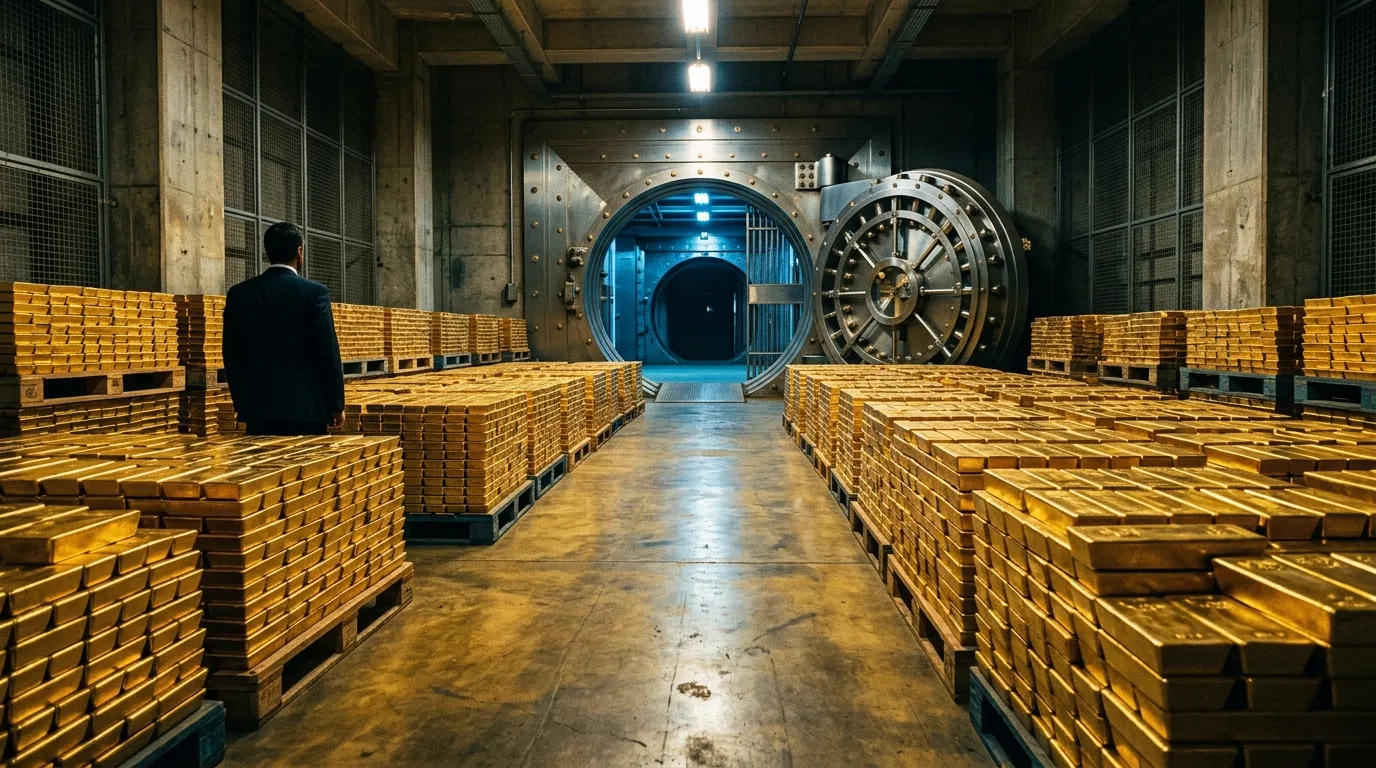
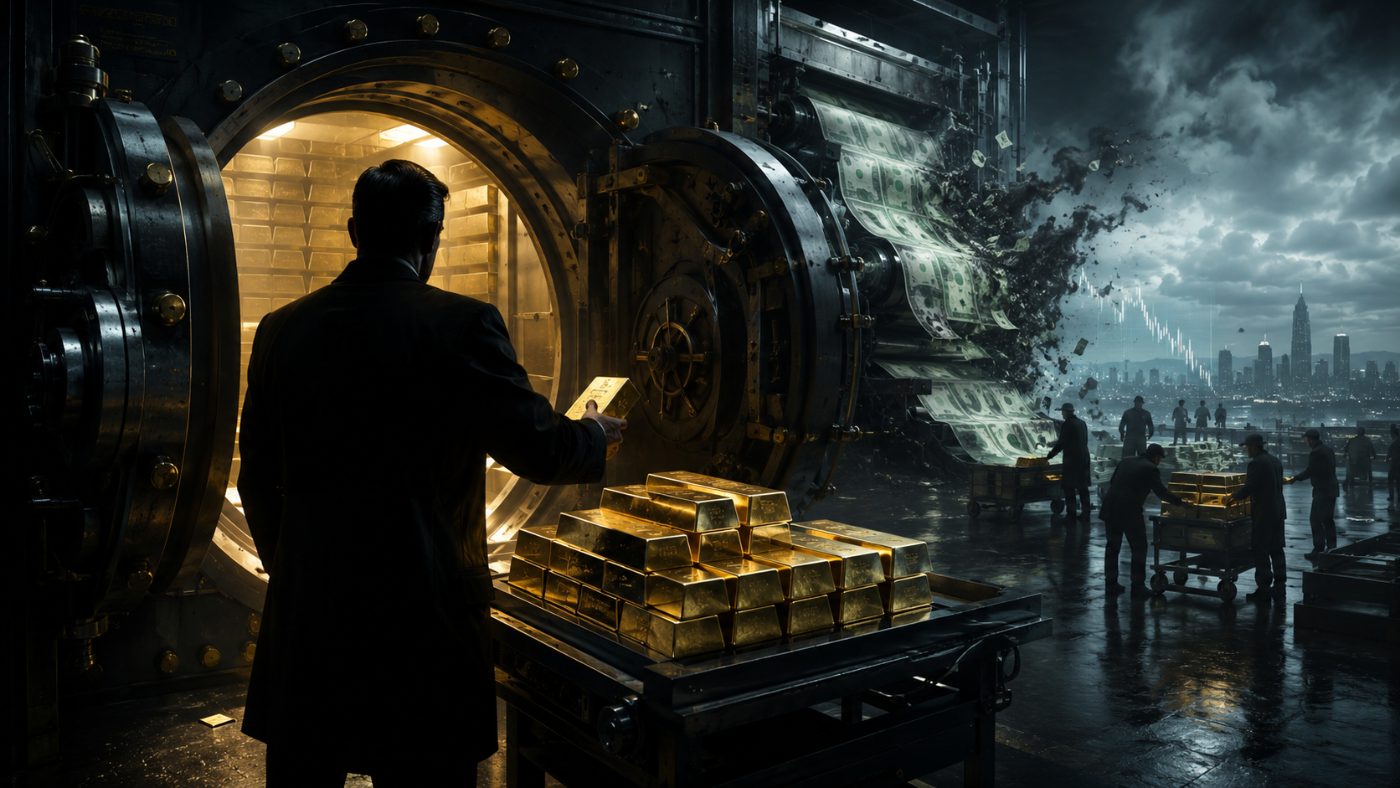
Gold is at $4,454 per ounce. It has risen 29% in a year. It dropped 3% on Friday, and headlines read "Gold Falls." What wasn't written: Gold is still at its highest level in history.
Gold doesn't tell just one story. The US Department of the Treasury has begun repurchasing long-term bonds—not a routine decision, but a sign that financial pressure on the government has reached a level requiring unusual intervention. Central banks around the world are diversifying their reserves away from the dollar—not theoretical talk, but real numbers on the ground. And on top of all that: Hormuz. Gold at $4,454 isn't merely a bet on inflation; it's a bet that the global financial system is undergoing restructuring, and that this phase will take time.
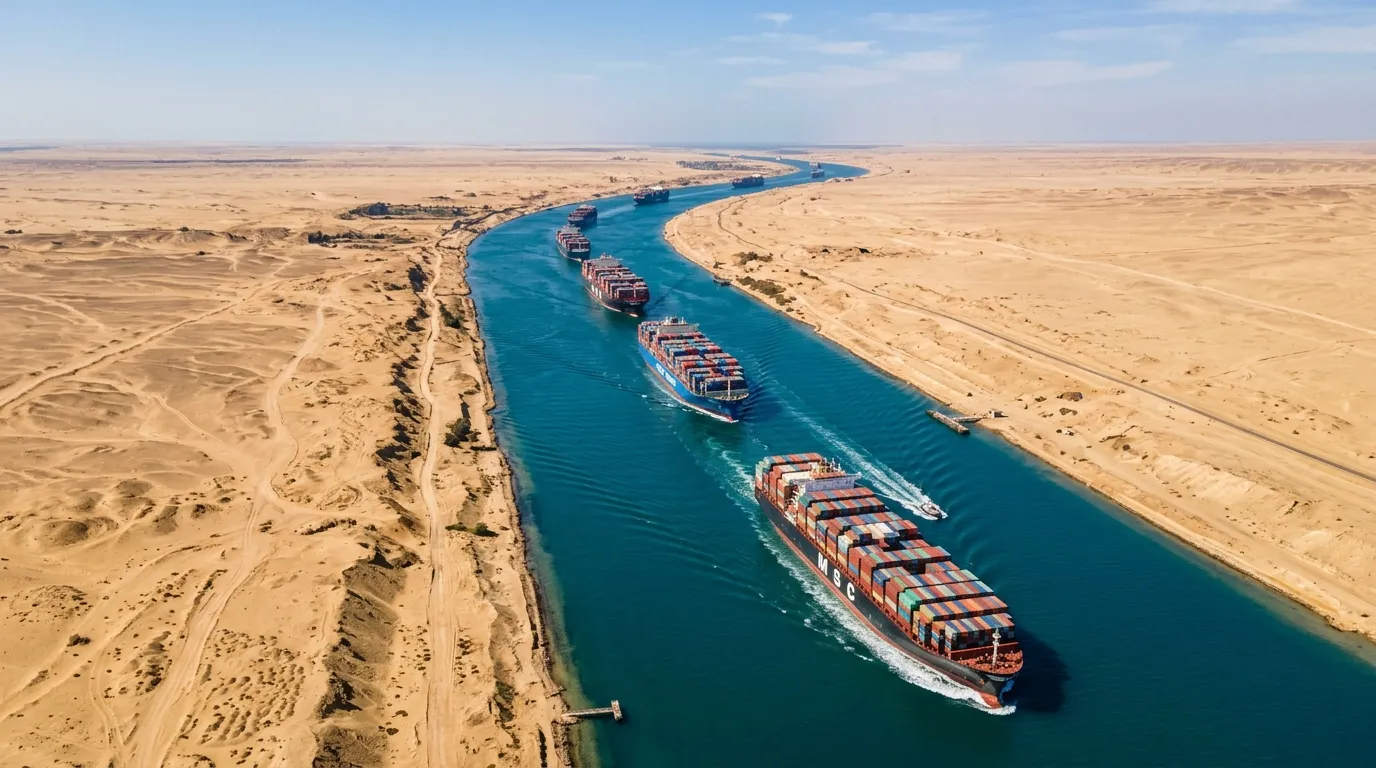
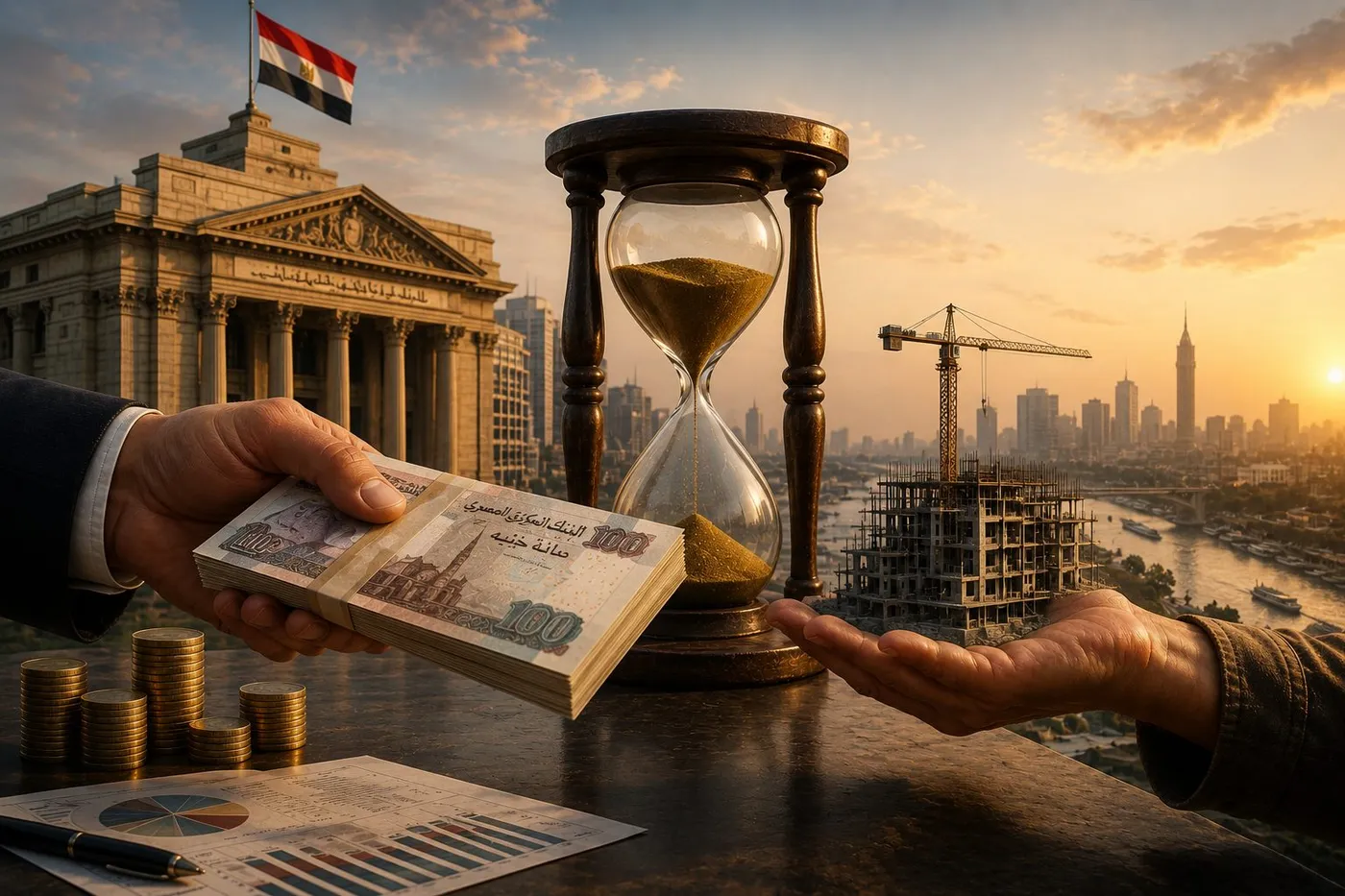
Egypt is bearing the shock from two directions simultaneously: food prices are over 20% due to importing wheat with an expensive dollar, and Suez Canal revenues are under pressure as shipping diverts away from the entire region. Kuwait lost $4 billion in market value during the first half of the year, which is striking since as an oil producer it should theoretically benefit from rising prices. The answer: when geopolitical uncertainty outweighs gains, investors flee even the apparent winners. The UAE is the sole exception in this scene. And the key question is: why? Because it built an economy that doesn't rely on a single strait. 80% of its economy is outside oil now. That wasn't luck. It was a decision made long ago.
The full picture looks like this: a Fed raising interest rates to fight inflation, part of which is beyond its control; a Japanese central bank raising rates because not raising them is worse; a European Central Bank standing in the middle, afraid of both; and gold reaching historical highs because markets are acknowledging something no one says on podiums: that the weapons to fight inflation in 2026 are not all available, and that some crises have no monetary solution.
In a world where economic decisions are made every minute, the most important decision isn't always the one made in a central bank. Sometimes it is made by a ship captain deciding whether to cross the strait or not.
Markets understand this. Gold says it. Central banks are talking about something else.
.png?alt=media&token=ed68f44d-e5db-4b1a-947a-42f608a0d791)

Weekly Newsletter
Read between the lines before everyone else. Decode the most important economic, tech, and decision-maker movements in the region.. in 5 minutes every Saturday.