
Gold Isn't Just Getting Expensive… It's Telling You a Different Story
Summary
Gold at $4,467 — a record high. But the real question: who is buying and why? Central banks are building another world, while retail investors are playing a completely different game.
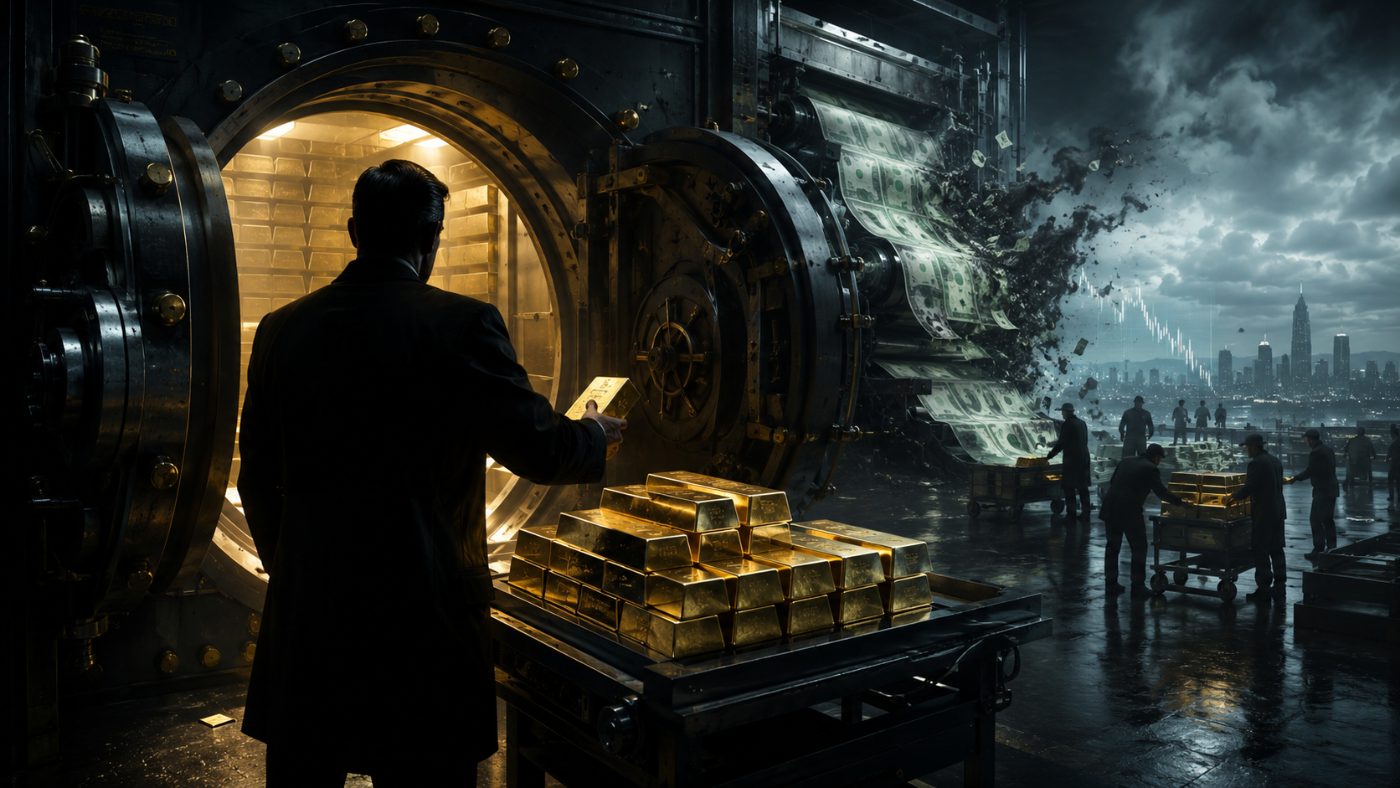
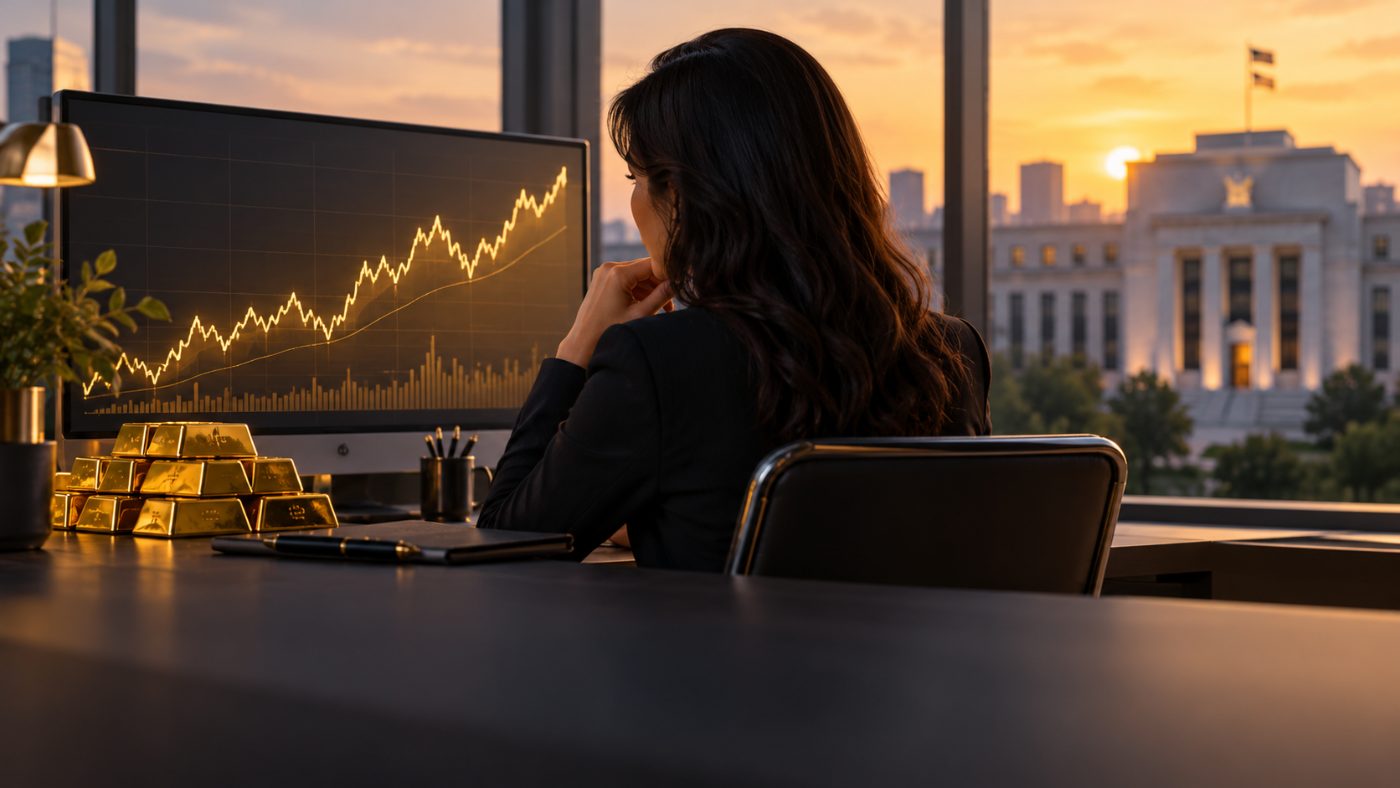
Gold prices in August 2026 reached a historic level: $4,467 per ounce. The highest month of the year. And just a week ago, the price was 4,633 — the highest point in the metal's history.
And everyone is saying: "Gold is rising because there is fear."
And that statement isn't wrong. But it's incomplete. And in the difference between incomplete accurate information and complete accurate information… lies the entire decision.
The narrative people quickly believe is easy: July CPI came in at just 0.1% month-over-month, the probability of a Fed rate hike in September dropped from 50% to 31%, the Strait of Hormuz crisis has been holding a floor under the price since February, and funds attracted 3 billion dollars in July alone.
That is a correct explanation. Like looking at a map without a compass — you know where the sea is, but you don't know where you're going.
The real twist isn't in gold's price. It's in who is buying and who is selling.
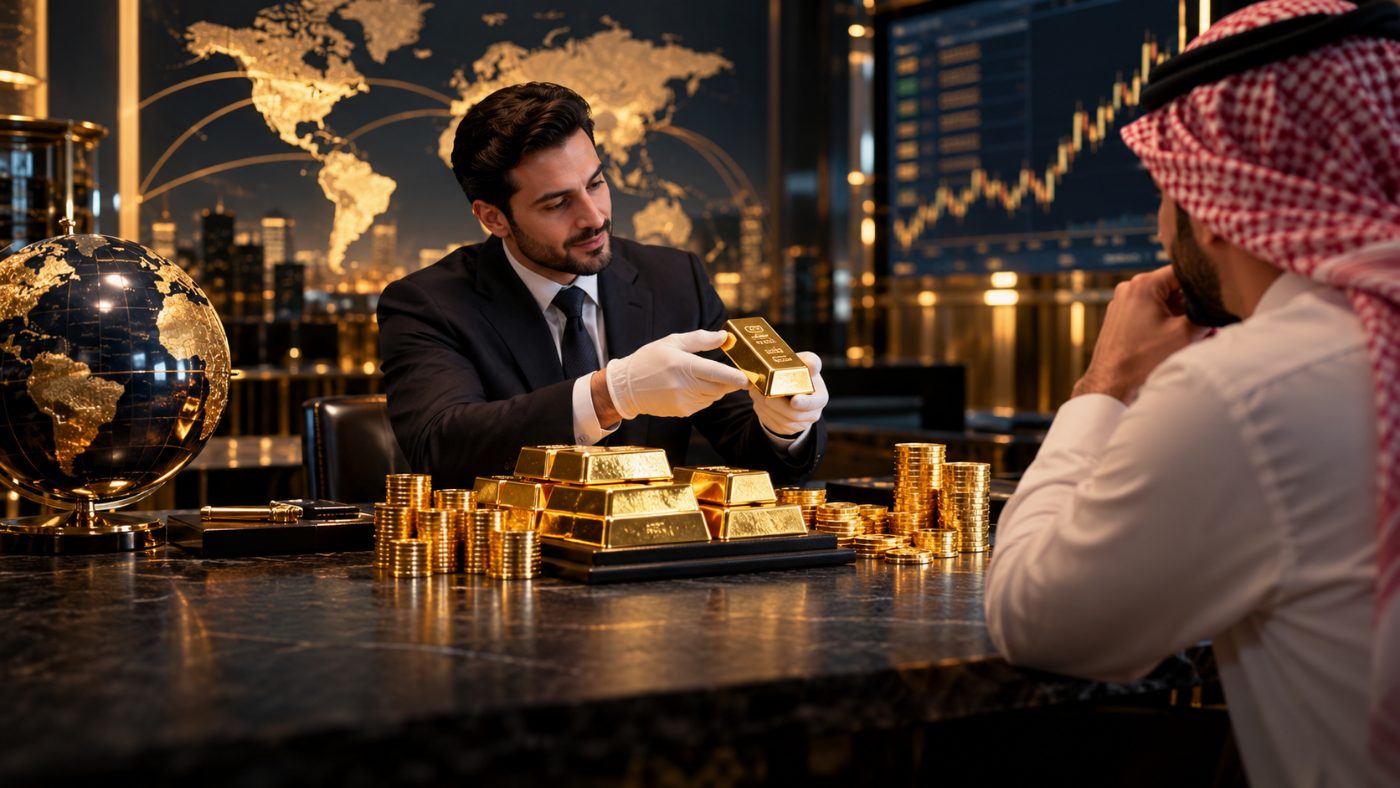
There are 298 tons of gold in ETF funds bought by investors at a price close to $4,000 — and they are now taking profits. Small and medium capital handles gold as a trade.
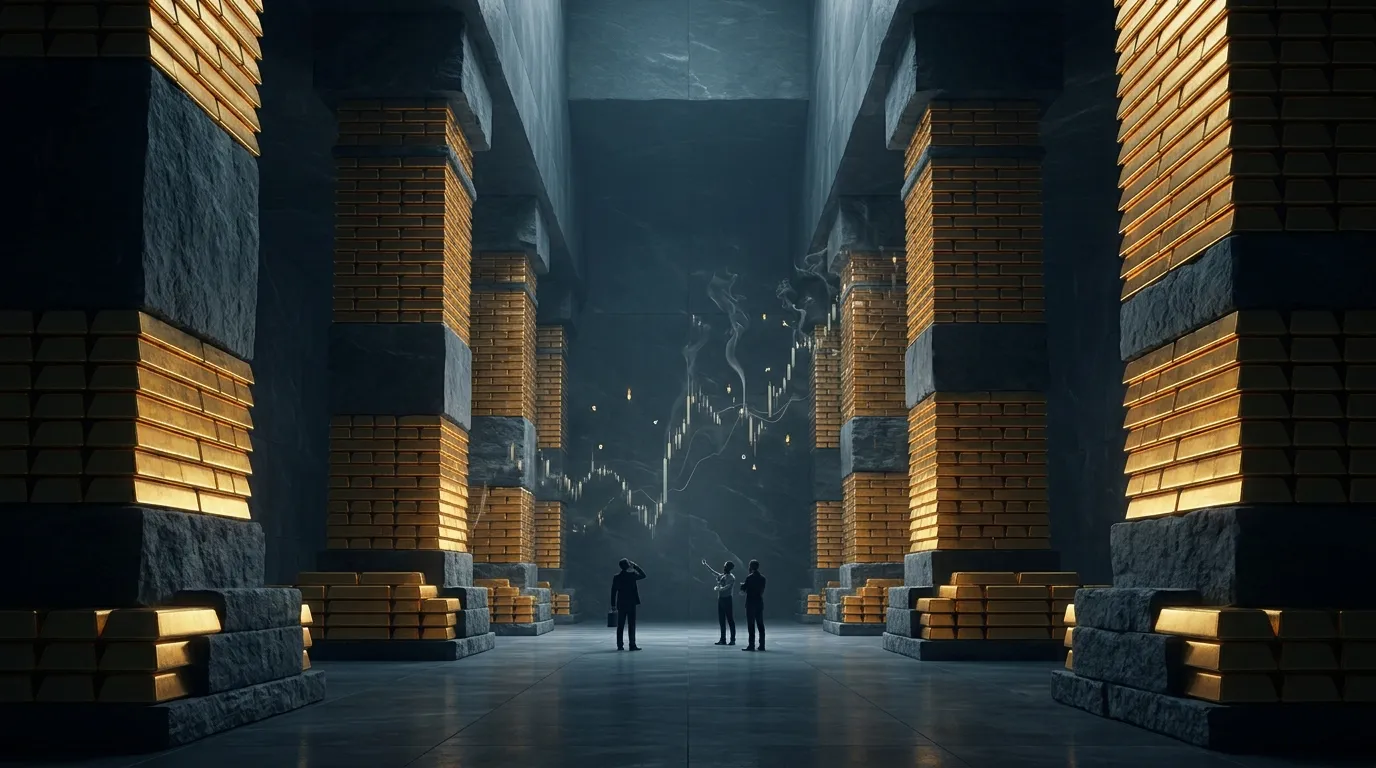
At the same time, central banks bought 289 tons in just one quarter — the second quarter of 2026 — which is a record figure. And 45% of them said they intend to add more, according to the World Gold Council.
Retail investors handle gold as an asset. Governments handle it as infrastructure.
A central bank doesn't buy gold because it's afraid of inflation. No finance minister holds an emergency meeting and says "let's buy 200 tons because CPI came out high." That is simply not how things work.
Remember when the West froze Russian assets in 2022? That moment changed a fundamental question inside every finance ministry in the world: Is the dollar really safe? The dollar — which was always the ultimate "haven" — turned into leverage paper ready for use at any time. And they understood that gold, which no one can electronically freeze or confiscate, is the only asset with no third-party risk.
Not fear. Restructuring.
Every one of us says "Gold is rising because there's a crisis." And that's true. But governments aren't buying because there's a crisis — they're buying because they are building another world.
Goldman, Deutsche, and HSBC hastily raised their targets when gold crossed 4,000 — scrambling to catch up. They see year-end in the 4,600 to 4,900 range. J.P. Morgan is the most aggressive: 6,000 by the fourth quarter.
If the Fed surprises the market with a more hawkish stance, a correction from overbought levels could be sharp. That is the only near-term risk worthy of real attention. But the deeper question is that while a speculator asks "Will gold go up or down?", a Chinese, Indian, or Gulf central bank is asking a completely different question: "What percentage of my balance sheet do I want in gold by 2030?" Both are in the same market. Playing two different games.
If you are a retail investor holding gold as a trade — exiting during a correction if the Fed turns hawkish isn't weakness, it's understanding the wave you're riding. If you view it as a strategic hedge — central banks confirm to you every quarter that you are on the right track.
The big mistake is making a decision based on the logic of what the person to your right is doing, without understanding that the person to your right might be playing a third game you haven't even thought about.
If central banks are buying at this scale while knowing the price is high… what do they know that you don't?
.png?alt=media&token=ed68f44d-e5db-4b1a-947a-42f608a0d791)
Weekly Newsletter
Read between the lines before everyone else. Decode the most important economic, tech, and decision-maker movements in the region.. in 5 minutes every Saturday.