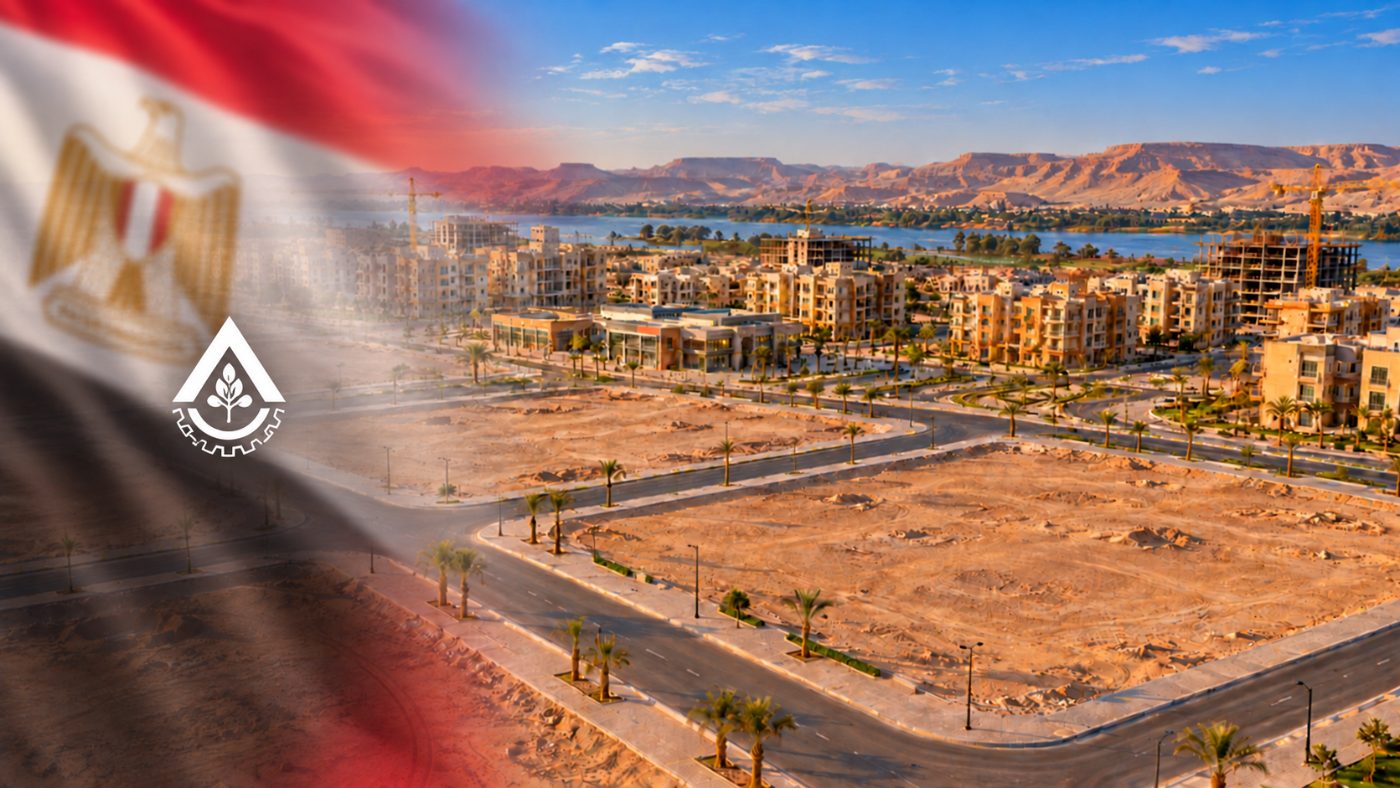
Algorithms in Saudi Arabia and Telegram Recommendations in Egypt... Who Protects Retail Investors?

Summary
The Saudi market is addressing a more advanced layer of risk, striving to maintain fairness beyond basic safety. Meanwhile in Egypt, the oldest question remains: who protects the small investor buying hope through a Telegram recommendation?
While regional markets discuss how to protect themselves from algorithms trading at speeds exceeding human capabilities, a small Egyptian investor sits before his phone, believing a Telegram message promising a stock that will double before the end of the week. The two markets are discussing two different levels of risk, and it is the small investor who pays the cost of the second directly from his savings.
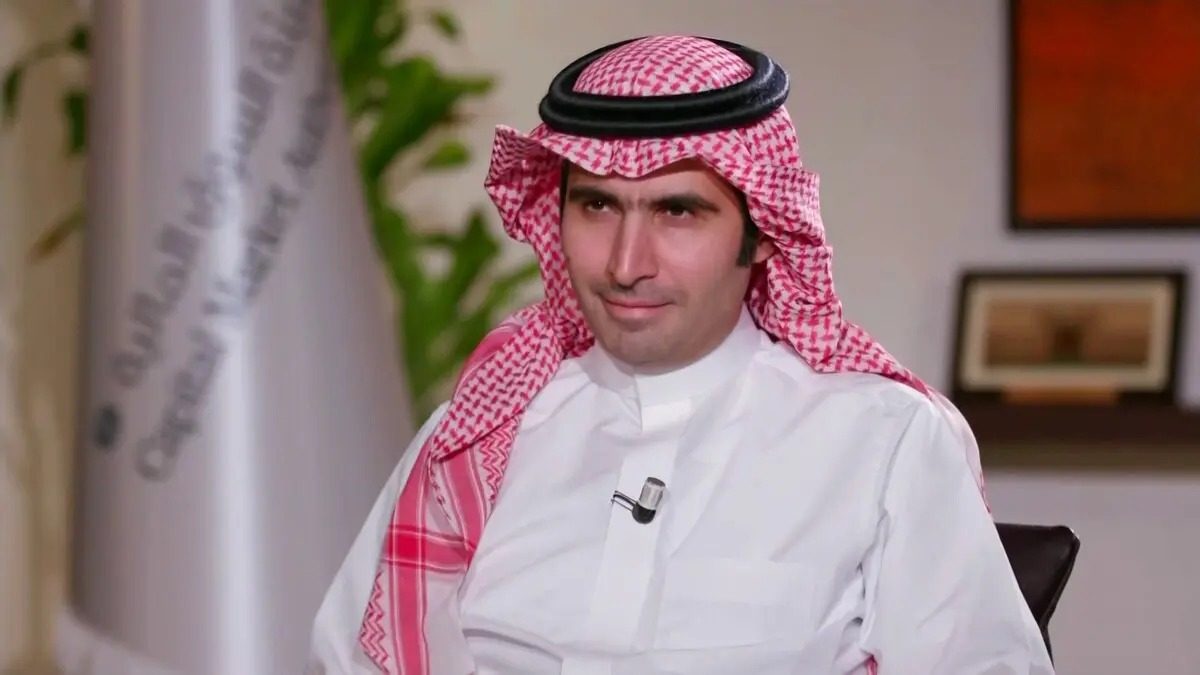
On October 4, Mazen Al-Sudairi, Chairman of the Saudi Capital Market Authority, told Al Arabiya channel that algorithms are part of technological progress, provided it does not come at the expense of fairness. He pointed out that liquidity in a number of Saudi stocks is weak, and algorithmic trading could cause significant volatility in them, noting that most of this trading is conducted by foreigners. He announced that the Authority will monitor liquidity and may adjust the algorithm limit on stocks whose liquidity rises over time. This is a discussion about technological details and AI-based trading programs, occurring within a regulated system that assumes the trader knows the rules of the game.
In Egypt, individual investors face a risk that is technologically simpler yet far more impactful on them: hundreds of groups on Telegram and WhatsApp, along with pages on Facebook and Instagram, offer buy and sell recommendations with promises of profit whose results their creators cannot guarantee. It is difficult for the investor to reach the person responsible for these recommendations, question them, or hold them accountable if they prove wrong, as anyone writing from an anonymous account bears no cost for their mistake.
The mechanism is well known to anyone who has followed the market. The group gathers thousands of followers and then promotes a stock with low liquidity. Small investors rush to buy, driving the price up, while those who bought early exit with their profits, leaving latecomers holding a falling stock. This cycle does not require deep market knowledge, but rather a gullible audience and an absence of scrutiny. The novice investor is the weakest link in this chain, as they do not read financial statements, do not know the difference between an active stock and a marginal one, and believe anyone who speaks with confidence.
The phenomenon does not stop at free recommendations; there is an entire industry in training courses. Take a circulating Facebook advertisement for a course titled "The Stock Market from Scratch to Trading Mastery," presented by a man wearing a Sa'idi galabeya named "Al-Moa'llem Abdel Sattar" through a page named Entrepreneurs Academy. The course consists of ten live lectures starting Friday, October 23, 2026, at 8:00 PM Egypt time, priced at 19,950 EGP or $399—around 1,995 EGP per lecture—with a call to action: "Book your spot now and start your future in the world of trading." The ad mentions no academic qualification for its instructor nor any licensed entity behind him, raising questions about the professional standards that should be required of someone selling paid content promising trading mastery to attendees. Such advertisements are numerous, alongside forex and trading conferences promoted by public figures and accounts.
The danger to the investor takes many forms. First is the loss of capital itself; someone buying a stock based on an anonymous recommendation may lose irreplaceable savings. Second is a false sense of expertise; someone who completes a ten-lecture course might enter the market with the audacity of someone who thinks they have learned, subsequently dealing with sums beyond their capacity. Third is the loss of trust; an investor who gets scammed once may leave the market entirely, never returning, nor will anyone who hears their story. This last risk is the most dangerous for the economy, because a market where everyone speaks about expanding the investor base cannot grow if newcomers lose money at the very beginning of their journey.
What, then, should be done? An investor must verify the entity addressing them before verifying the stock itself. They should first ask about its status and its license from the Financial Regulatory Authority if it provides a service requiring authorization, be suspicious of any promises of guaranteed or fast profits, demand a documented track record of results rather than screenshots, and not pay for "mastery" sold in ten lectures. Regulatory authorities, on their part, must clearly disclose who is licensed, monitor these pages and groups, and announce the reports and legal actions taken so investors know that warnings are backed by action.
The Saudi market is addressing a more advanced layer of risk, striving to maintain fairness beyond basic safety. Meanwhile in Egypt, the oldest question remains: who protects the small investor buying hope through a Telegram recommendation?
Beyond The Number

"MNT-Halan": 124.8k Lawsuits in the Prospectus of the Largest EGP IPO... Does the Price Compensate the Investor for the Risks?

Saudi Arabia Between a Widening Deficit in 2026 and Declining Spending in 2027: Is Vision 2030 Entering Its Toughest Test?
Saudi CMA's Leverage Cap on Foreign Trading: Protection or Paternalism?

"خطة الشطرنج".. هل ينجح البنك المركزي المصري في إنقاذ المصانع المتعثرة؟
Weekly Newsletter
Read between the lines before everyone else. Decode the most important economic, tech, and decision-maker movements in the region.. in 5 minutes every Saturday.