Improvements in the Strait of Hormuz Reduce Geopolitical Risk Premium on Oil
Positive developments in the Strait of Hormuz contributed to a decline in the geopolitical risk premium built into oil prices, giving traders a degree of reassurance and putting pressure on global crude prices.
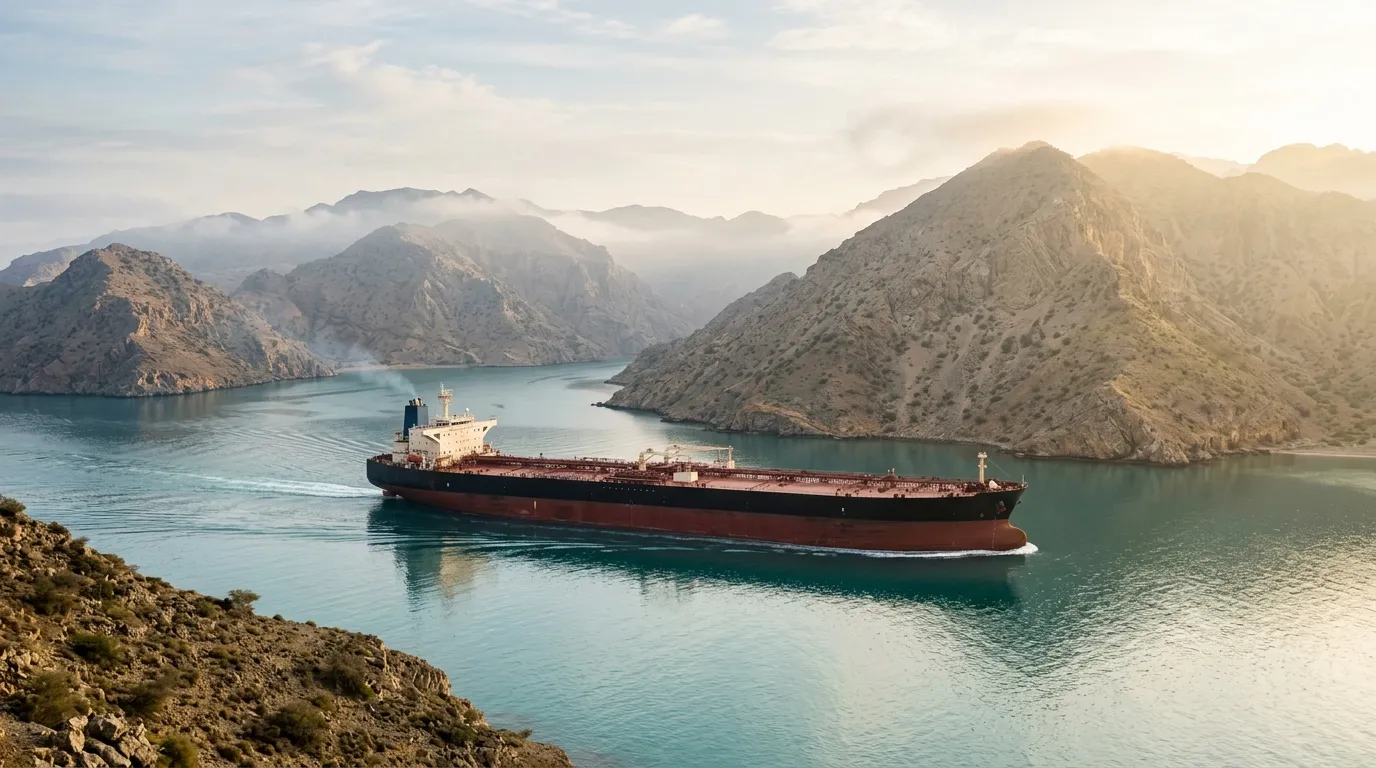
The geopolitical risk premium embedded in crude oil prices declined following reports of tangible improvements in security conditions in the Strait of Hormuz, the strategic maritime passage through which nearly a fifth of daily global oil supplies flow.
Traders in oil markets observed a drop in insurance rates for oil tankers crossing the strait, a widely used indicator to measure the level of geopolitical anxiety. This has contributed to easing the upward pressure on prices that had accumulated over recent months.
This improvement comes in the context of regional diplomatic talks, as several parties showed willingness to ensure the safety of navigation in the strait. However, analysts warn that the situation remains fragile and could reverse at any moment in the event of a sudden escalation.
Analysts believe that the decline in the risk premium adds additional downward pressure on oil prices during a period that is already witnessing pressure from rising inventories and slowing demand, making it likely that prices will remain in a lower price range than expected during the next quarter.
What do these terms mean?
Geopolitical risk premium: An additional amount added to the price of oil (or any commodity) to compensate investors for the risks of political or security unrest. As tensions increase, the premium increases, and vice versa.
Strait of Hormuz: A narrow waterway separating Iran from the Arabian Peninsula, considered the most important transit point for oil tankers in the world. Its closure or threat causes immediate shocks in global energy markets.
Oil tankers: Massive vessels designed to transport crude or refined oil across the seas. Their insurance costs rise with increased security risks and fall with improving conditions.
Weekly Newsletter
Read between the lines before everyone else. Decode the most important economic, tech, and decision-maker movements in the region.. in 5 minutes every Saturday.