
50% US-Canada Tariffs Threaten Automotive, Steel, and Agriculture Supply Chains
Reciprocal 50% US-Canada tariffs threaten cross-border automotive, steel, and agricultural supply chains, set to take effect on September 8.
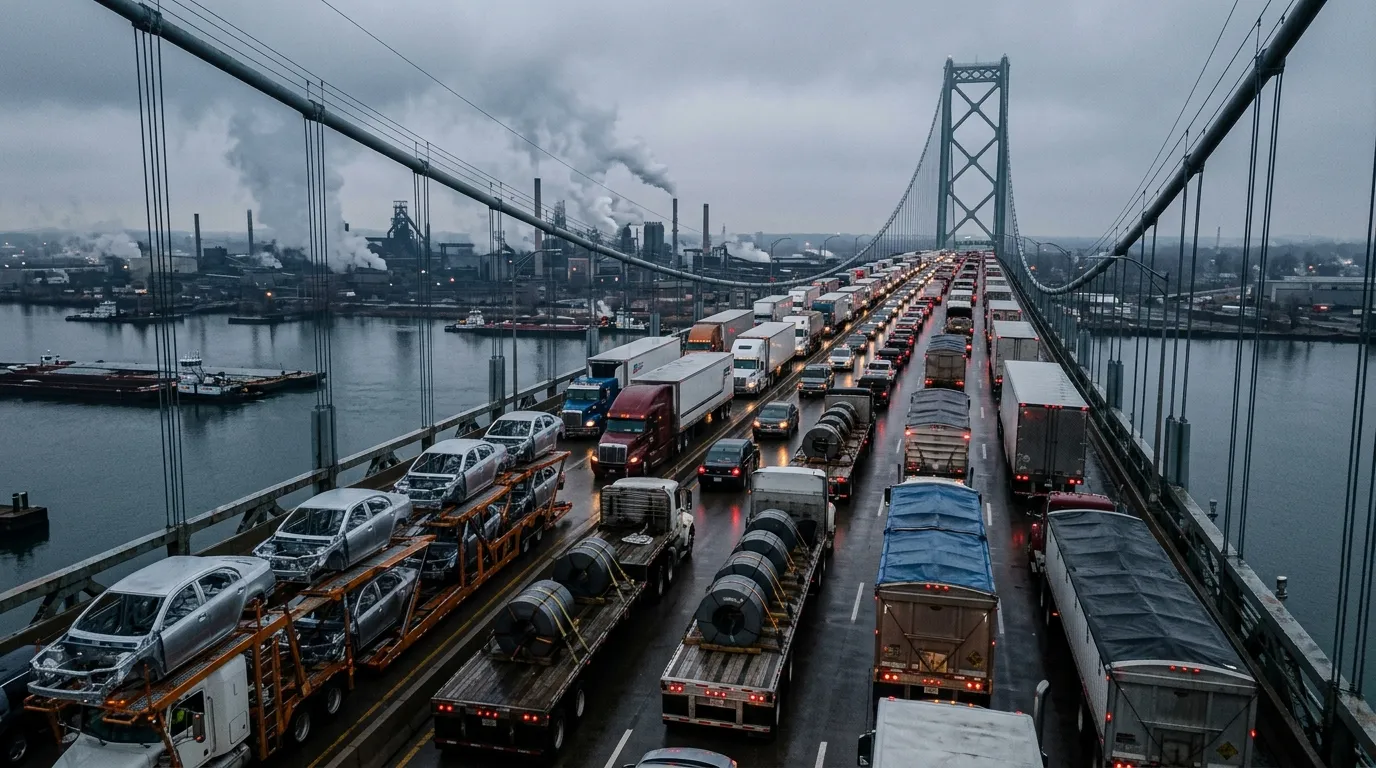
Reciprocal 50% tariffs between the United States and Canada are upending the calculations of one of the world's most integrated industrial partnerships. Automotive components cross the border between the two countries multiple times before a final vehicle is assembled, as do shipments of steel and agricultural products feeding factories on both sides.
The automotive sector sits at the heart of the standoff, as companies like General Motors, Ford, and Stellantis have established intertwined production lines on both sides of the border. A 50% tariff on Canadian components will raise the cost of each vehicle by thousands of dollars, while the steel sector will suffer from a sharp increase in raw input costs. Meanwhile, tariffs hit dairy products and agricultural equipment in a painful blow to farmers.
The September 8 deadline gives affected industries just three weeks to restructure their supply chains or absorb the costs—both of which are expensive options. News agencies report automotive officials saying they are lobbying both governments to exempt their sector from the tariffs based on the interconnected nature of production.
The Great Lakes industrial corridor embodies the deepest model of economic integration between two nations in modern history, built over six decades under successive free trade agreements. A 50% tariff is no ordinary tax; it breaks the production model in a way that will be difficult to repair after any diplomatic truce ends, as companies will rush to move production lines away from whichever party becomes less competitive.
What do these terms mean?
USMCA Agreement: The United States-Mexico-Canada Agreement succeeded NAFTA in 2020 and defines the terms of free trade among the three nations. Bypassing its tariffs means undoing the benefits on which the industry has built its investments for decades.
Automotive Value Chain: The sum of vehicle manufacturing stages, from raw materials and components to final assembly. In North America, this chain crosses the US-Canada-Mexico borders multiple times in a single production journey.
Great Lakes Industrial Corridor: An industrial region spanning both sides of the US-Canada border in the Great Lakes basin, encompassing dozens of major automotive, steel, and chemical plants interconnected through shared production chains.
Weekly Newsletter
Read between the lines before everyone else. Decode the most important economic, tech, and decision-maker movements in the region.. in 5 minutes every Saturday.