
US judge rules DOJ evidence noncompliant in Broadview inquiry
A federal judge ruled that Department of Justice evidence production in the Broadview Six inquiry was noncompliant. The ruling delayed a US attorney's testimony to December.
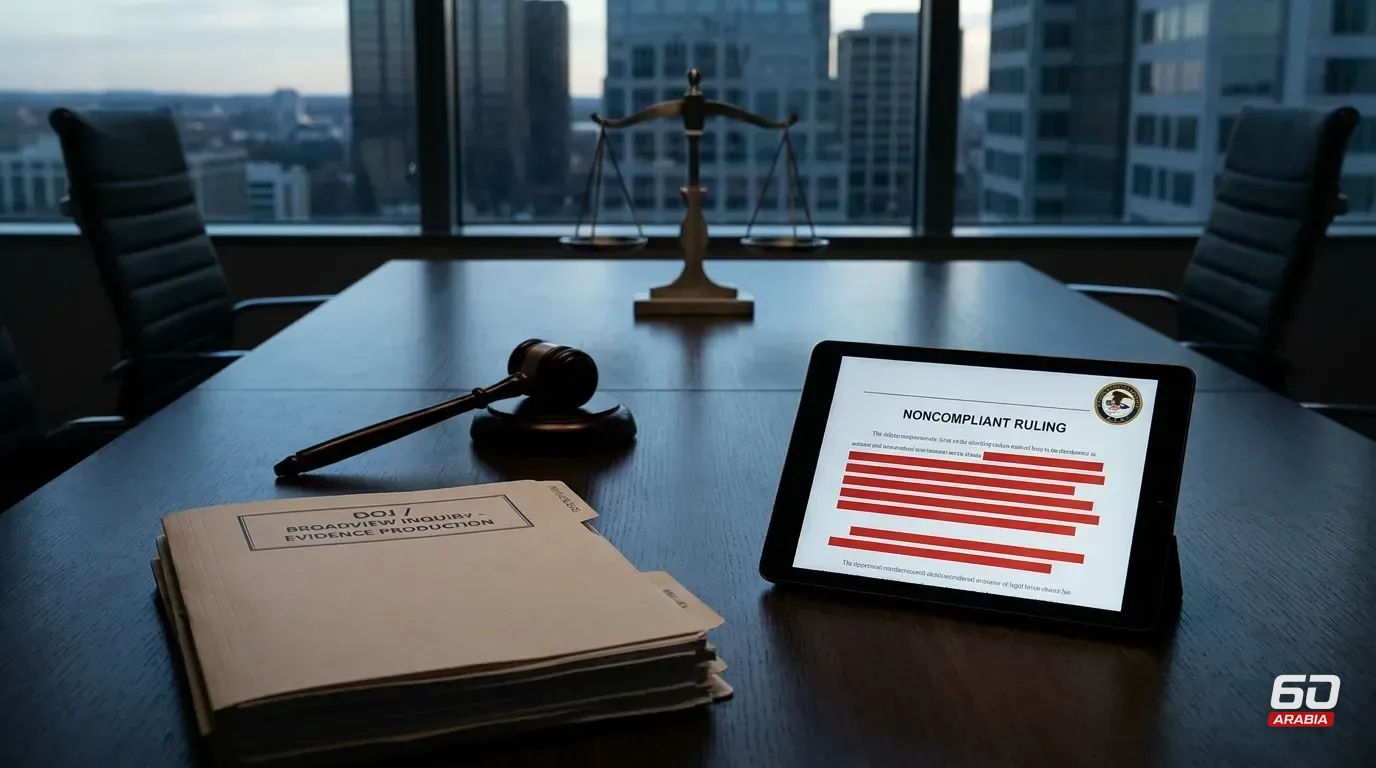
A federal judge overseeing the Broadview Six prosecutorial misconduct inquiry ruled around November 11 that evidence production by the U.S. Department of Justice was noncompliant. The ruling followed the department's earlier decision to assert privilege over internal communications and decline judicial requests.
Following the noncompliance ruling, testimony from a U.S. attorney has been delayed until December, according to reports from Bloomberg Opinion and the Daily Herald. The court oversight process could potentially lead to contempt proceedings and Congressional oversight hearings.
The inquiry has emerged as a flashpoint for potential executive branch interference in prosecutorial decisions, according to the sources. The proceedings may also establish legal precedents regarding the limits of executive privilege in judicial misconduct inquiries.
What do these terms mean?
Executive privilege: A legal principle allowing executive government officials to withhold certain confidential communications from disclosure to courts or the legislature.
Misconduct inquiry: An official investigation into alleged unethical or illegal behavior by public officials or legal professionals.
Contempt proceedings: Legal actions initiated by a court against an entity or individual for failing to obey a judicial order.
Weekly Newsletter
Read between the lines before everyone else. Decode the most important economic, tech, and decision-maker movements in the region.. in 5 minutes every Saturday.