
Strait of Hormuz Crisis Escalates: UAE Tanker Seized and Gulf Crossings Drop from 91 to 73
Weekly Hormuz crossings dropped from 91 to 73, a UAE-linked tanker was detained near Qeshm, and a sailor was killed in a strike, while VLCC daily earnings exceeded $520,000.
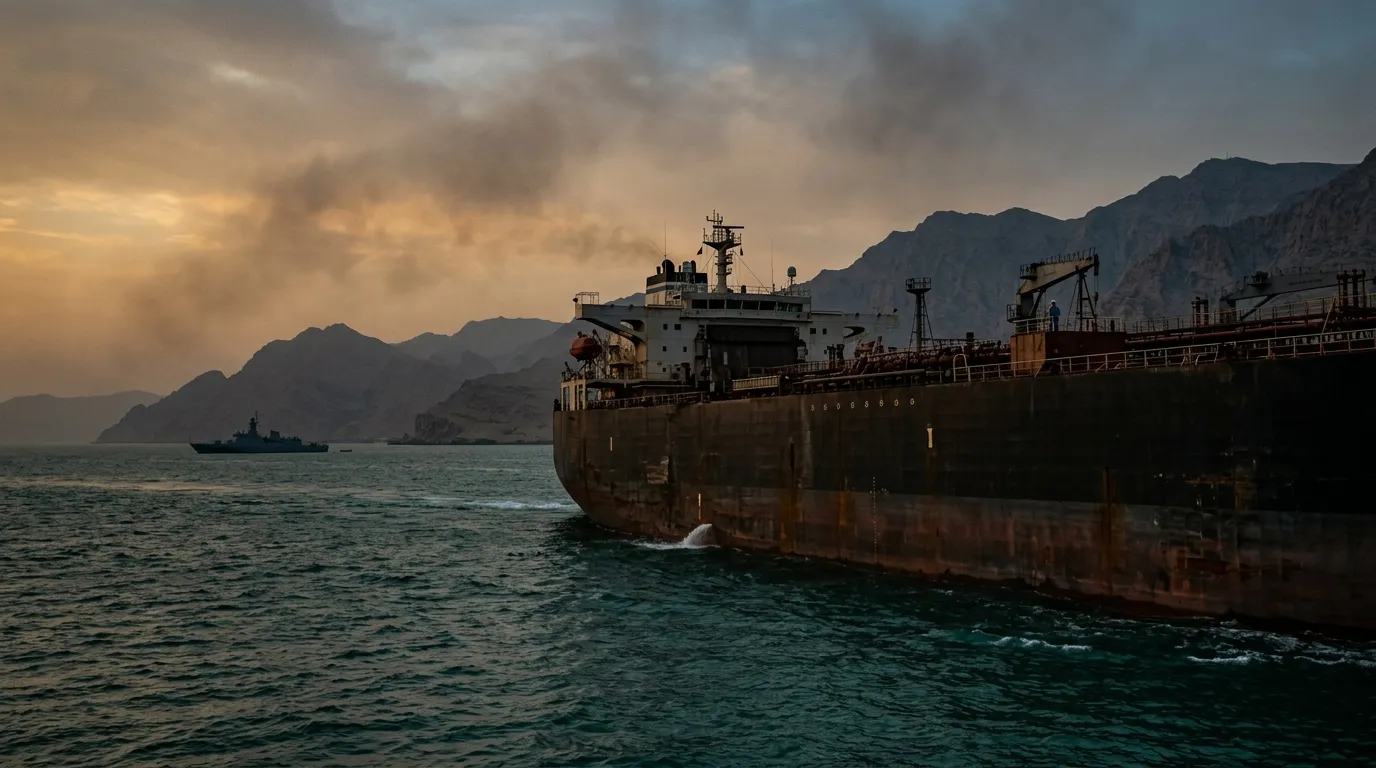
Weekly crossings through the Strait of Hormuz dropped to 73 voyages compared to 91 in the previous week, in the clearest indication yet of the impact of the US blockade on Iranian ports, which redirected 64 commercial vessels away from their usual route. This decline represents mounting pressure on the world's most vital maritime energy corridor.
Security incidents escalated significantly, as a sailor was killed in a strike targeting a dry bulk carrier, while reports indicated the detention of an UAE-linked oil tanker near Iran's Qeshm Island. Insurance premiums for voyages in the Hormuz region are rising sharply, adding a direct additional cost to every oil shipment passing through the area.
Tanker markets reflected this tension as Very Large Crude Carrier (VLCC) earnings on the Middle East-China route surpassed $520,000 per day—extraordinary levels reflecting capacity scarcity and higher shipper bids to secure guaranteed safe passage.
About 20% of global daily oil supplies pass through the Strait of Hormuz, and any further decline in crossings toward sixty per week would lead to an actual supply shortage that strategic reserves alone cannot offset. If the UAE vessel detention and sailor killing become a recurring pattern rather than an isolated incident, Brent prices will be pushed up by twenty to thirty dollars within days, and global energy markets will experience the severe shockwaves not seen since 1973.
What do these terms mean?
VLCC Tanker: Short for Very Large Crude Carrier, a supertanker carrying between 200,000 and 320,000 tons of crude oil. Its daily earnings are a sensitive indicator of available transport capacity in tanker markets.
Naval Blockade: A military measure aimed at preventing ships from entering or leaving a country's ports. The US blockade of Iranian ports forces ships to divert their routes and avoid Iranian waters.
War Risk Insurance Premiums: Additional insurance costs imposed by insurers on ships traversing conflict zones. Their rise reflects perceived risk levels and is directly added to oil freight costs.
Weekly Newsletter
Read between the lines before everyone else. Decode the most important economic, tech, and decision-maker movements in the region.. in 5 minutes every Saturday.