
Washington Launches Toughest Sanctions Package on Iran, Sending Rial to Record Low
The U.S. Treasury launched a comprehensive sanctions package on Iran covering aviation, gold, shipping, and digital assets, targeting 60 individuals and vessels, as the rial hit a record low.
U.S. Treasury Secretary Scott Bessent announced in Washington the most comprehensive sanctions package imposed by the United States on Iran to date, targeting 60 individuals and vessels, and affecting the aviation, digital assets, gold, shipping, and technology sectors. Secondary sanctions extended to include trading partners in Singapore, China, and Hong Kong.
The package led to immediate economic repercussions, as the Iranian rial hit a record low in trading. Oil prices fluctuated sharply, with Brent crude falling more than 2% on Monday to $85.22 per barrel before rebounding to $92.14 this morning, while West Texas Intermediate held at $85.13. The average gasoline price in the United States rose from $2.98 on February 28 to $4.09 currently.
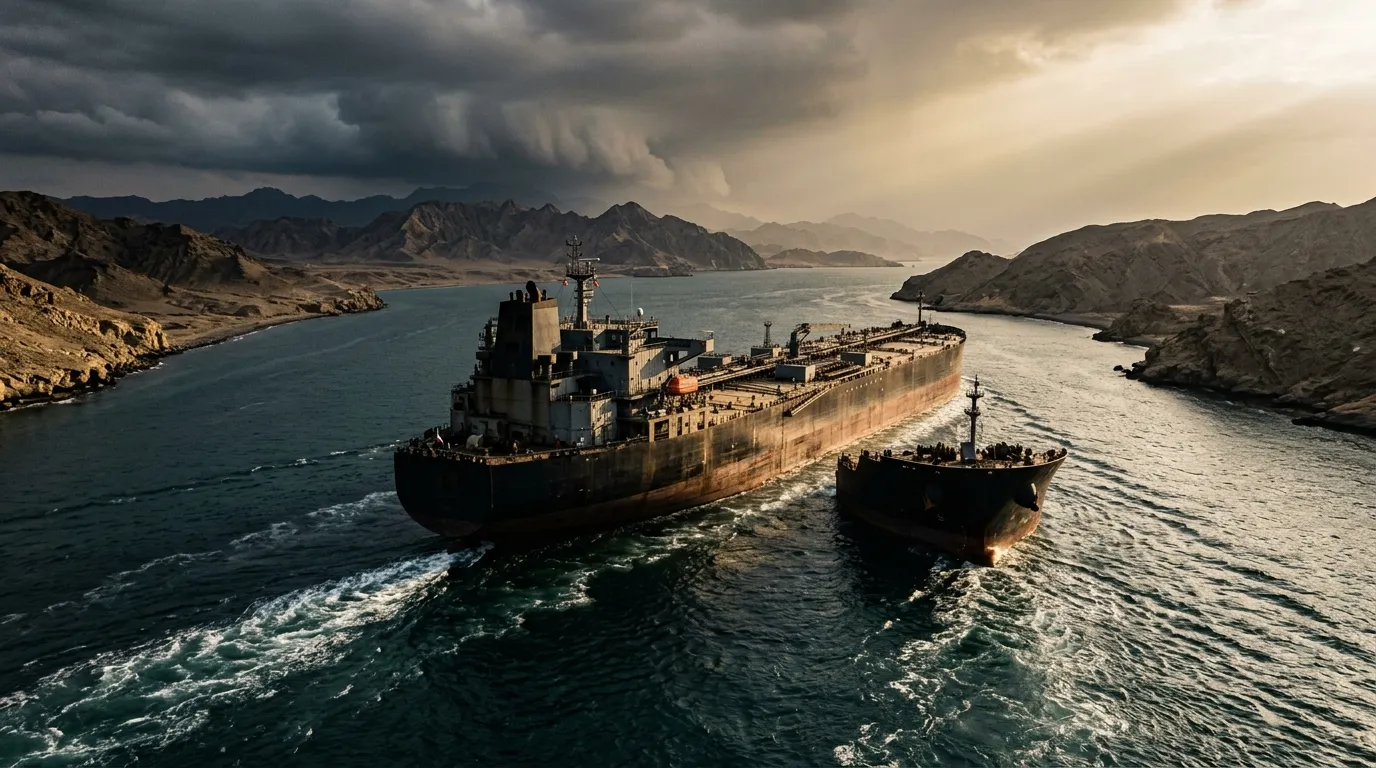
Two maritime attacks heightened concerns regarding the security of vital waterways; a Houthi projectile struck a Saudi supertanker in the Red Sea, and another tanker broke down near Oman. The two incidents increase the likelihood of tension in the Strait of Hormuz, through which about 20% of global daily oil supplies pass.
The sanctions present Iran's trading partners with a stark choice: either comply with U.S. terms or face exclusion from the international financial system, while tensions in the Red Sea and the Gulf of Oman warn that any further escalation could push oil prices to levels not seen since 2022.
What do these terms mean?
Secondary Sanctions: Sanctions imposed by the United States on non-U.S. third parties that do business with targeted countries, serving as a threat to those who ignore primary sanctions.
Brent Crude: The primary global benchmark for oil pricing, extracted from the North Sea and used as an indicator for oil prices in Europe, Africa, and the Middle East.
Strait of Hormuz: A waterway between Iran and the Sultanate of Oman through which about 20% of global daily oil supplies pass, making it one of the most sensitive oil chokepoints.
Weekly Newsletter
Read between the lines before everyone else. Decode the most important economic, tech, and decision-maker movements in the region.. in 5 minutes every Saturday.