

US House Requires AI Data Centers to Cover Power Grid Upgrade Costs
The US House of Representatives voted 417 to 3 in favor of the Ratepayer Protection Act, requiring AI data centers to cover electricity grid upgrade costs instead of passing them on to consumers, in an amendment to the 1978 PURPA Act.
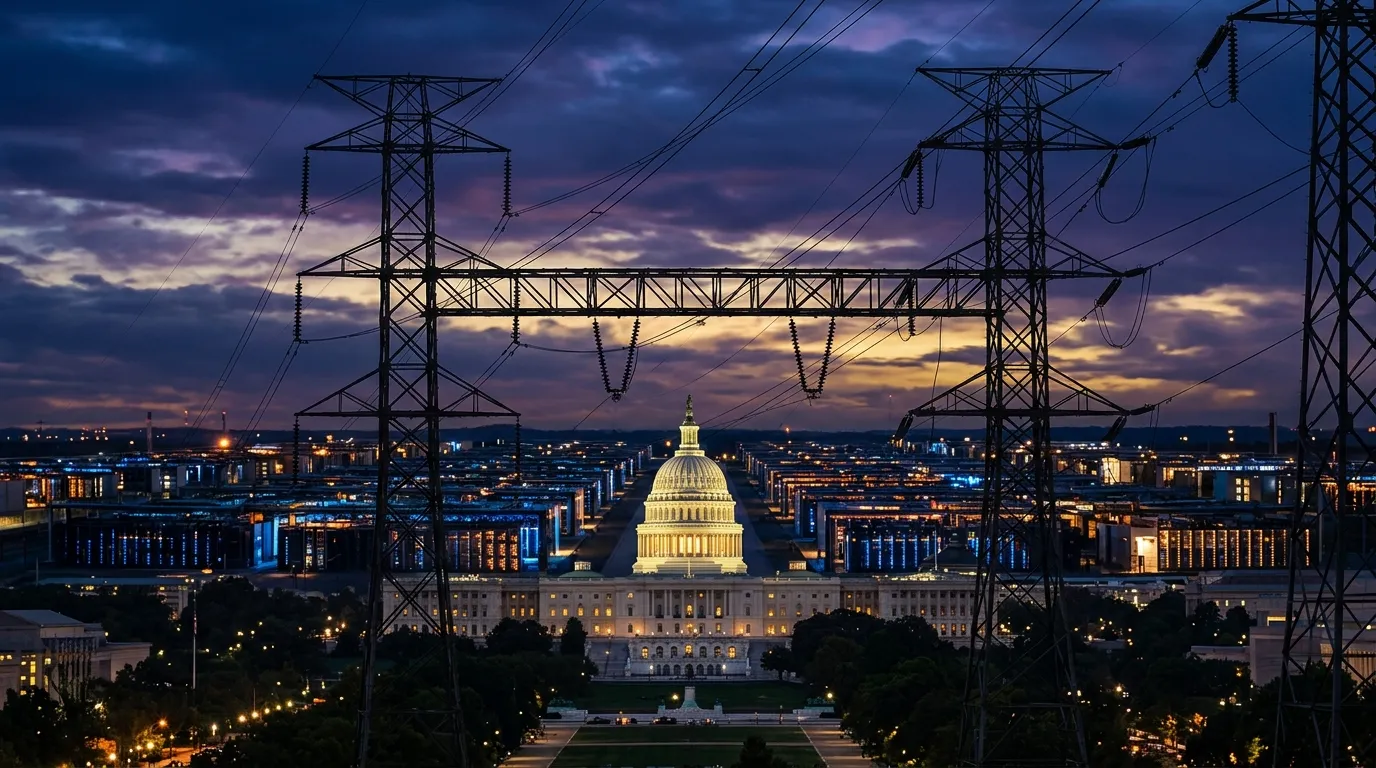
The US House of Representatives overwhelmingly approved the Ratepayer Protection Act by a vote of 417 to 3, requiring AI data centers to bear the full costs of power grid upgrades resulting from their growing energy consumption, according to CNBC.
The new legislation amends the Public Utility Regulatory Policies Act (PURPA) of 1978, whose original text allowed power infrastructure development costs to be distributed among all subscribers in certain cases, regardless of which entity caused the additional load on the grid.
The law comes amid a rapid surge in electricity demand from data centers, driven by the requirements of training and operating large AI models, with multiple estimates predicting that these centers' power consumption could double by 2030.
Consumer advocacy groups praised the vote, viewing it as a necessary step to protect consumers from footing the bill for industrial expansion in the tech sector, while major AI companies have yet to issue public comments.
What do these terms mean?
- PURPA Act (1978): US legislation regulating the relationship between utility companies and independent power producers, defining how grid costs are allocated among different parties.
- Power Grid Upgrades: Investments in transmission and distribution lines and balancing technologies required to accommodate massive new loads such as data centers.
- Ratepayers: Residential and commercial consumers who pay electricity bills and were at risk of bearing a portion of industrial development costs.
Weekly Newsletter
Read between the lines before everyone else. Decode the most important economic, tech, and decision-maker movements in the region.. in 5 minutes every Saturday.