

Cancellation of B-1 Visas Exacerbates US-Mexico Freight Trucking Crisis
The US-Mexico cross-border trucking sector is suffering from a severe capacity shortage following the cancellation of B-1 visas for Mexican truck drivers, while Mexican transport groups demand urgent clarification.
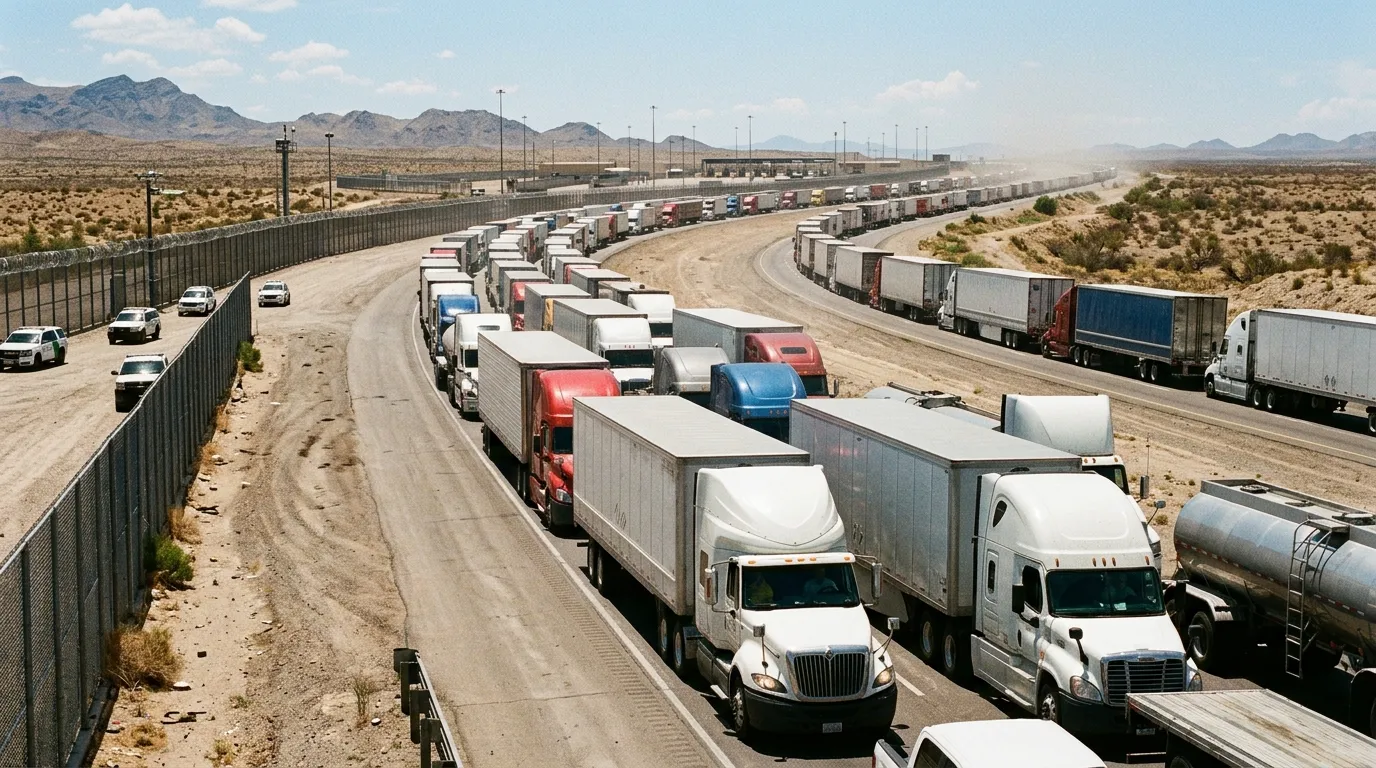
The shortage in cross-border trucking capacity between the United States and Mexico is worsening following a wave of B-1 visa cancellations that allow Mexican drivers to deliver goods to U.S. points and re-cross the border. Mexican transport groups and carrier associations are demanding urgent clarification from Washington regarding the criteria for visa cancellations and appeal mechanisms.
Major freight companies, including Uber Freight, reported escalating pressure on capacity along cross-border routes, driving up U.S.-Mexico trucking freight rates. Paradoxically, this bottleneck hits a vital logistical artery at a time when reliance on Mexico as a nearshoring destination for the U.S. market, as an alternative to China, is growing.
The value of U.S.-Mexico trade exceeds $800 billion annually, with overland trucks accounting for the largest share. This bottleneck coincides with the U.S.-Canada tariff crisis, threatening the supply chain network at both the northern and southern borders of the United States simultaneously.
Major U.S. companies are spending billions of dollars shifting production from Asia to Mexico as part of a nearshoring strategy that depends entirely on the free flow of trucks across the border. While the decision to cancel B-1 visas may seem like a limited administrative measure, it could undermine Mexico's competitive advantage as a nearshoring hub and disrupt investments attracted over the past three years.
What do these terms mean?
B-1 Visa: A U.S. visa granting permission to enter the United States for temporary business purposes, used by Mexican freight companies to transport goods into U.S. entry points and return.
Nearshoring: A strategy where companies relocate their manufacturing to geographically neighboring countries, such as moving production from China to Mexico. It reduces shipping times and diversifies supply chain risks.
Trucking Capacity: The number of trucks and drivers available to meet freight demand. A shortage of this capacity raises freight rates, lengthens delivery times, and harms cross-border trade operations.
Weekly Newsletter
Read between the lines before everyone else. Decode the most important economic, tech, and decision-maker movements in the region.. in 5 minutes every Saturday.