Rising Wheat Prices Threaten Egypt's Import Bill in 2026
The surge in global wheat prices is raising serious concerns over the import bill of Egypt, one of the world's largest wheat importers, adding pressure on the balance of payments and inflation.
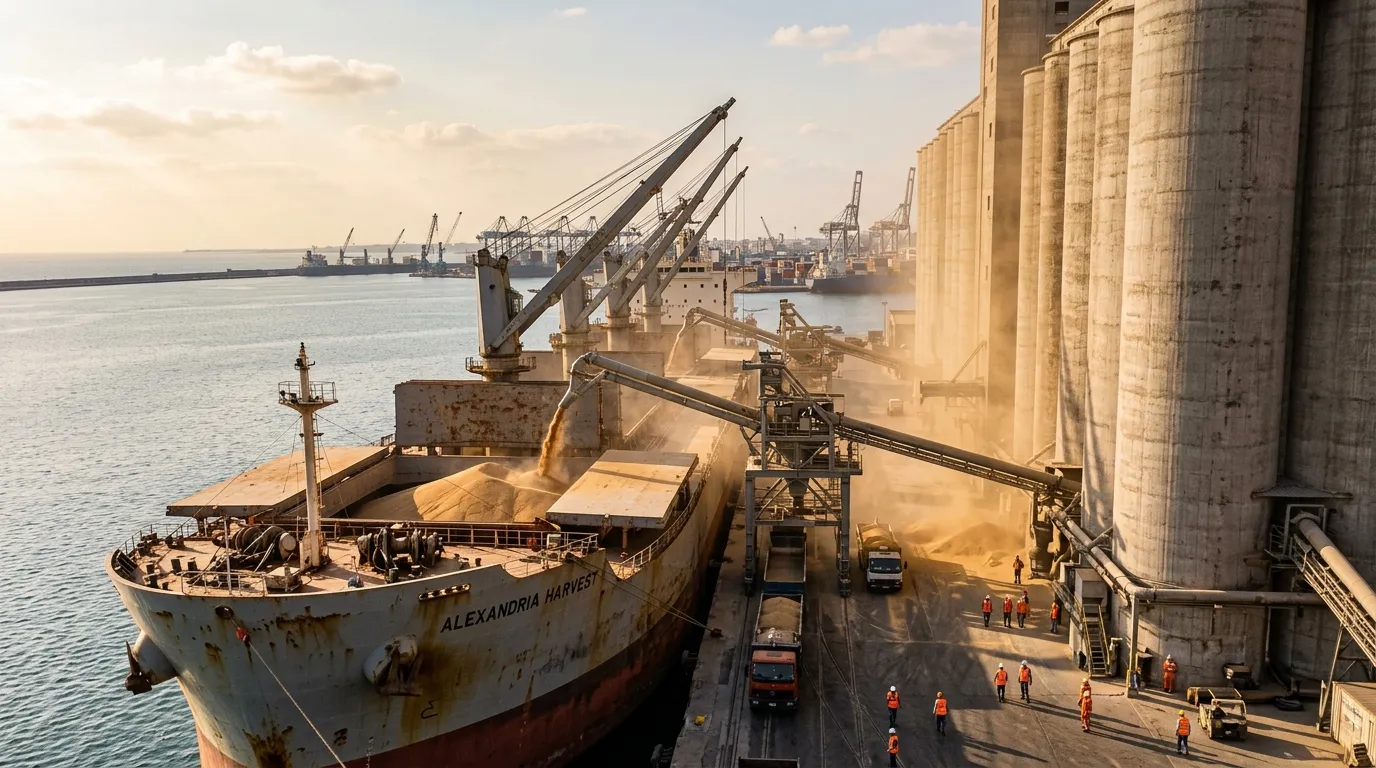
Wheat prices in global markets have surged remarkably in recent weeks, causing widespread concern in Egypt, which imports around 12 million tons annually to sustain its subsidized bread program benefiting over 70 million citizens.
Government data indicates that the wheat import bill drained over $3.5 billion last year, and the current price surge is expected to push this figure to higher levels during 2026, putting additional pressure on foreign exchange reserves.
Analysts attribute the rise in wheat prices to several factors, most notably: geopolitical tensions in the Black Sea region disrupting supply chains, severe droughts hitting major production areas in Europe and America, as well as rising maritime freight costs.
Economists believe the Egyptian government faces tough choices: either raising subsidized bread prices, which could trigger public backlash, or bearing a heavier financial burden in the budget. The government asserts that it is working to diversify import sources and boost domestic production to mitigate the impact.
What do these terms mean?
Subsidized Bread: A government program allowing citizens to buy bread at heavily discounted prices, with the state covering the difference between the actual cost and the selling price to the consumer.
Balance of Payments: A record documenting all financial transactions between Egypt and the outside world, including exports, imports, and investments. A rising wheat bill causes a deficit in this balance.
Foreign Exchange Reserves: A country's stockpile of foreign currencies (such as the US Dollar and Euro) used to pay for imports and service international debt. As imports increase, reserves decrease.
Weekly Newsletter
Read between the lines before everyone else. Decode the most important economic, tech, and decision-maker movements in the region.. in 5 minutes every Saturday.