
Supertanker Freight Rates Surge to Record $1.4 Million per Day
Assessed freight rates for supertankers from the Gulf to East Asia reached a record high of around $1.4 million per day, up nearly 540% compared to pre-war levels.
Listen to this story
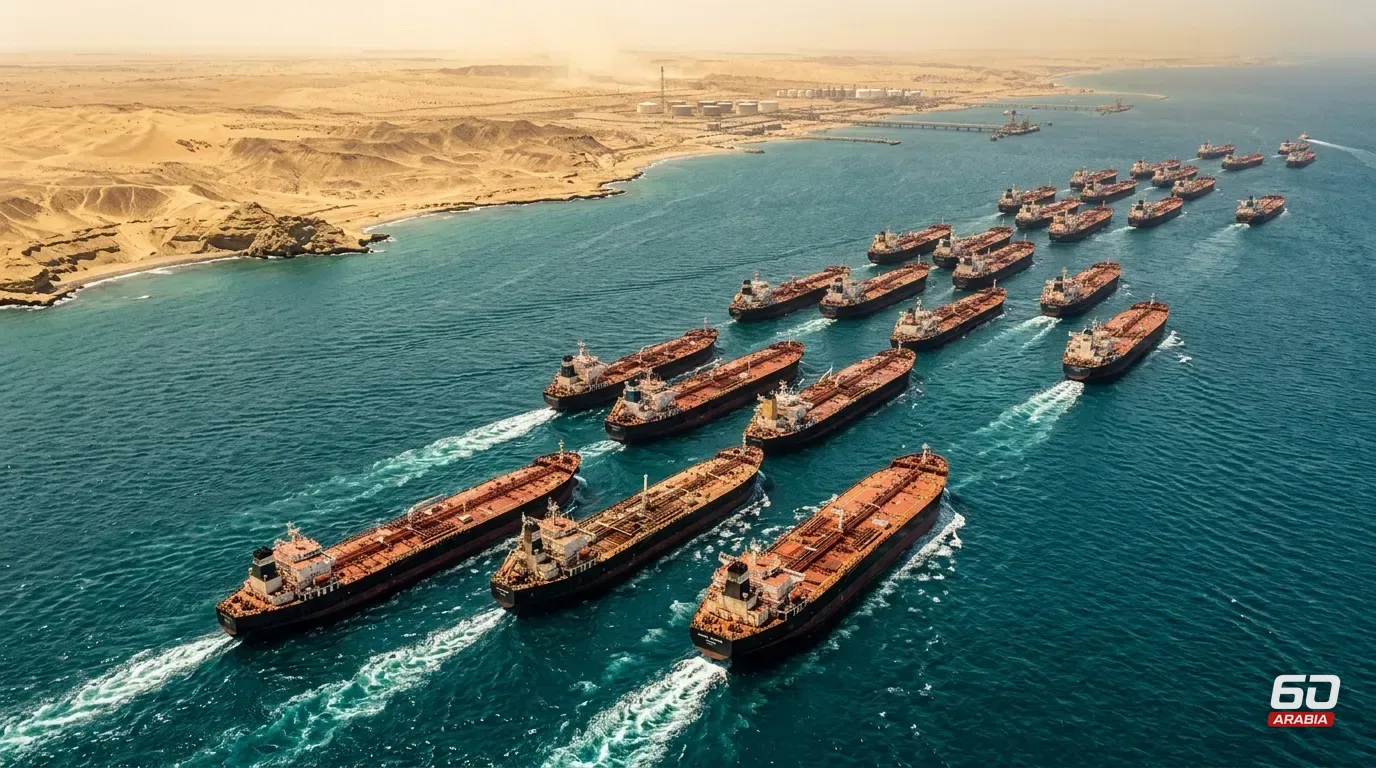
Assessed freight rates for supertankers on the Gulf to East Asia route reached an all-time high of around $1.4 million per day on Wednesday, up nearly 540% from pre-war levels, according to data cited by Bloomberg. This means the cost of transporting crude from the Gulf to Asia is now more than six times what it was before the conflict, while Brent crude has risen by only about 40% over the same period.
Signal Ocean reported that more than 40% of the global supertanker fleet, which totals around 850 vessels, is currently in the Gulf or within two days' distance, an unprecedented congestion in the corridor. The number of ballast tankers heading to Atlantic ports fell by half in a single month.
Georgios Sakellariou of Signal Ocean explained that recent months were "the best ever" for crude tankers, but warned that the ship-to-ship transfer system outside Hormuz is inefficient, draining the supply of vessels in the region and beyond.
In a further sign of market overheating, a supertanker on the Gulf of Mexico to Japan route was offered at a potential record charter fee of $82 million for the trip, more than $40 per barrel, an increase of over 50% from three weeks earlier.
What do these terms mean?
Supertanker: The largest category of oil tankers, abbreviated as VLCC, capable of carrying around two million barrels of crude per voyage.
Assessed freight rates: A daily estimate of the vessel charter rate on a specific route, calculated from market transactions rather than a single contract, and used as a benchmark for pricing.
Ship-to-ship transfer: Transferring cargo between two vessels at sea, used when entering ports or passing through standard waterways is not possible.
Weekly Newsletter
Read between the lines before everyone else. Decode the most important economic, tech, and decision-maker movements in the region.. in 5 minutes every Saturday.