
Russian Baltic Ports Increase Grain Export Capacity by 170%
Russian Baltic ports increased their annual grain export capacity to 23.5 million tons in October, up from 8.6 million tons in July, as Black Sea routes faced disruptions.
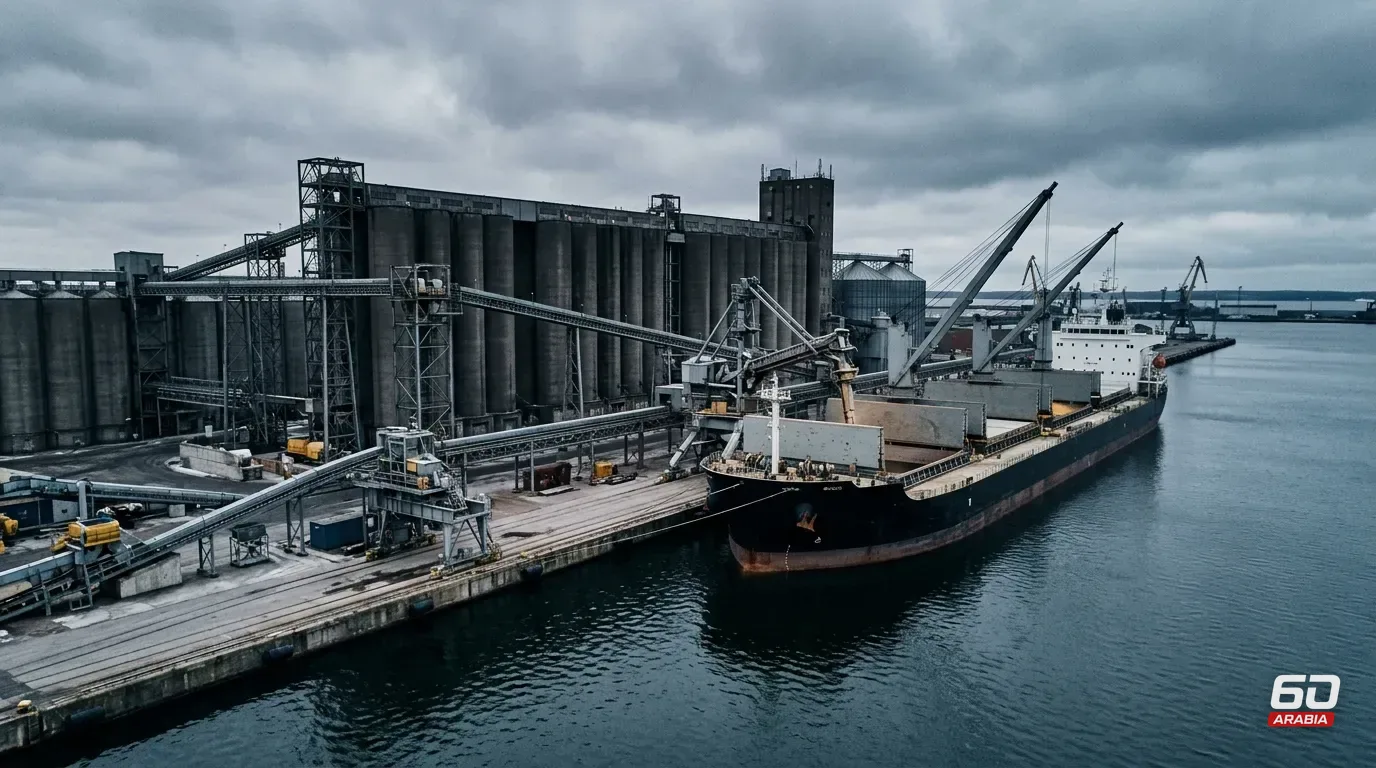
Alexey Romashin, an executive at Russian Railways, estimated at a conference in Moscow that Baltic Sea ports increased their annual grain export handling capacity to 23.5 million tons in October, up from 8.6 million tons in July, representing an increase of nearly 170%.
Deputy Agriculture Minister Maxim Borovoy stated that Baltic ports could handle a volume of grain in October equivalent to what they handled during the entire previous season. According to analysts' estimates, the Baltic region's share of Russian wheat exports reached 60% in September, compared to about 2% in the previous season.
Dmitry Rylko, head of the IKAR consultancy firm, said Russian wheat exports in October could reach 3 million tons, including 1.8 million tons via Baltic ports, compared to 2.5 million tons in September, of which 1.4 million tons passed through the Baltic. The port of Ust-Luga accounted for more than 30% of grain exports in September.
However, Russian grain exports fell by more than 40% year-on-year in September following reciprocal strikes on Black Sea terminals, creating a surplus in stockpiles and causing domestic prices to collapse. Fertilizer and coal terminals are being converted to handle grain, while Latvia said it intends to impose a 300% tariff on Russian shipments.
What Do These Terms Mean?
Handling Capacity: The maximum quantity that a port can load or unload within a specified timeframe, usually measured in tons per year.
Baltic Ports: Russian ports on the Baltic Sea in the northwest, used as an alternative to southern Black Sea routes.
Grain Exports: Export shipments of wheat, corn, barley, and other crops, with Russia being one of the world's largest exporters.
Weekly Newsletter
Read between the lines before everyone else. Decode the most important economic, tech, and decision-maker movements in the region.. in 5 minutes every Saturday.