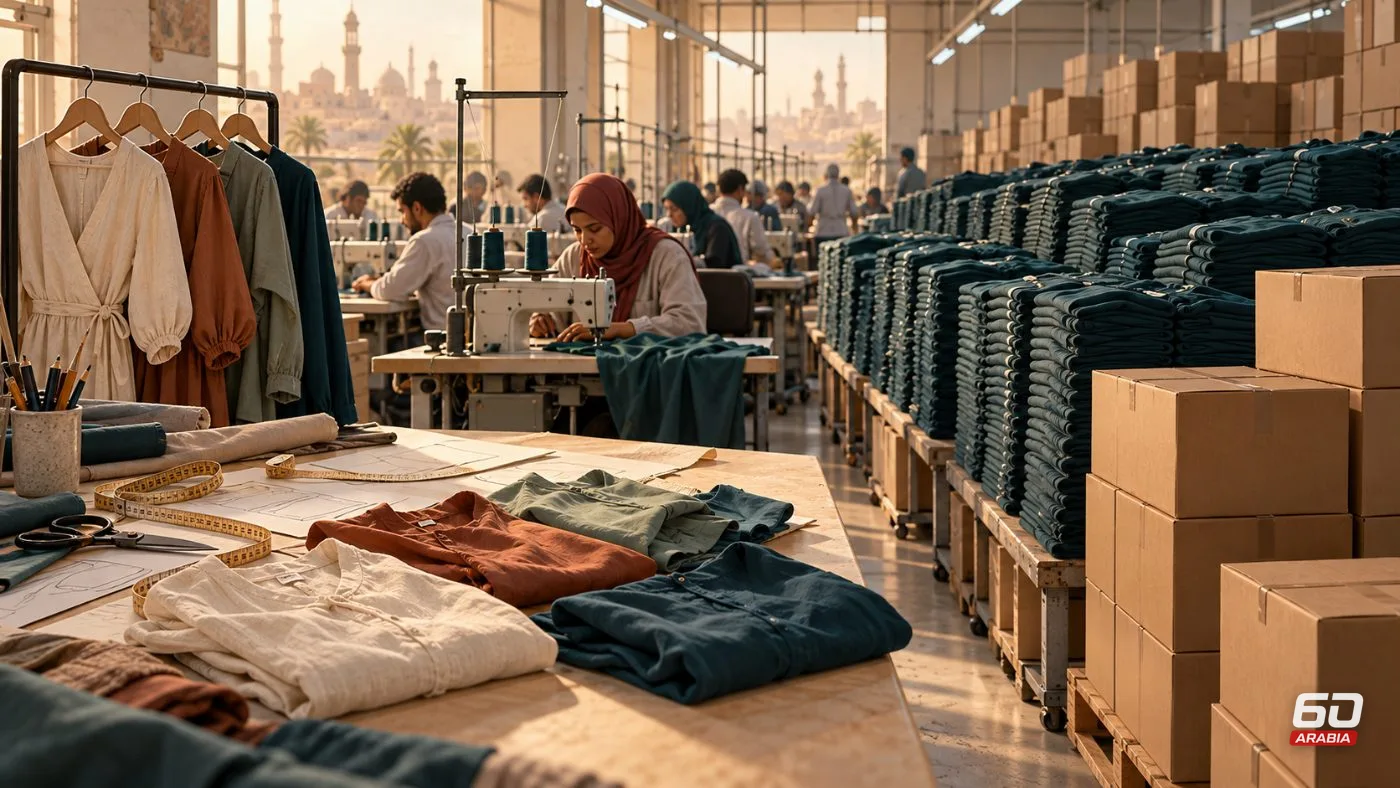

Local Products Capture Half of Egypt's Fashion Market Following Import Decline
The share of local products in the Egyptian fashion market rose from about a third of the market in 2023 to nearly half by 2025, driven by the decline of the pound, which weakened the economic feasibility of imports.
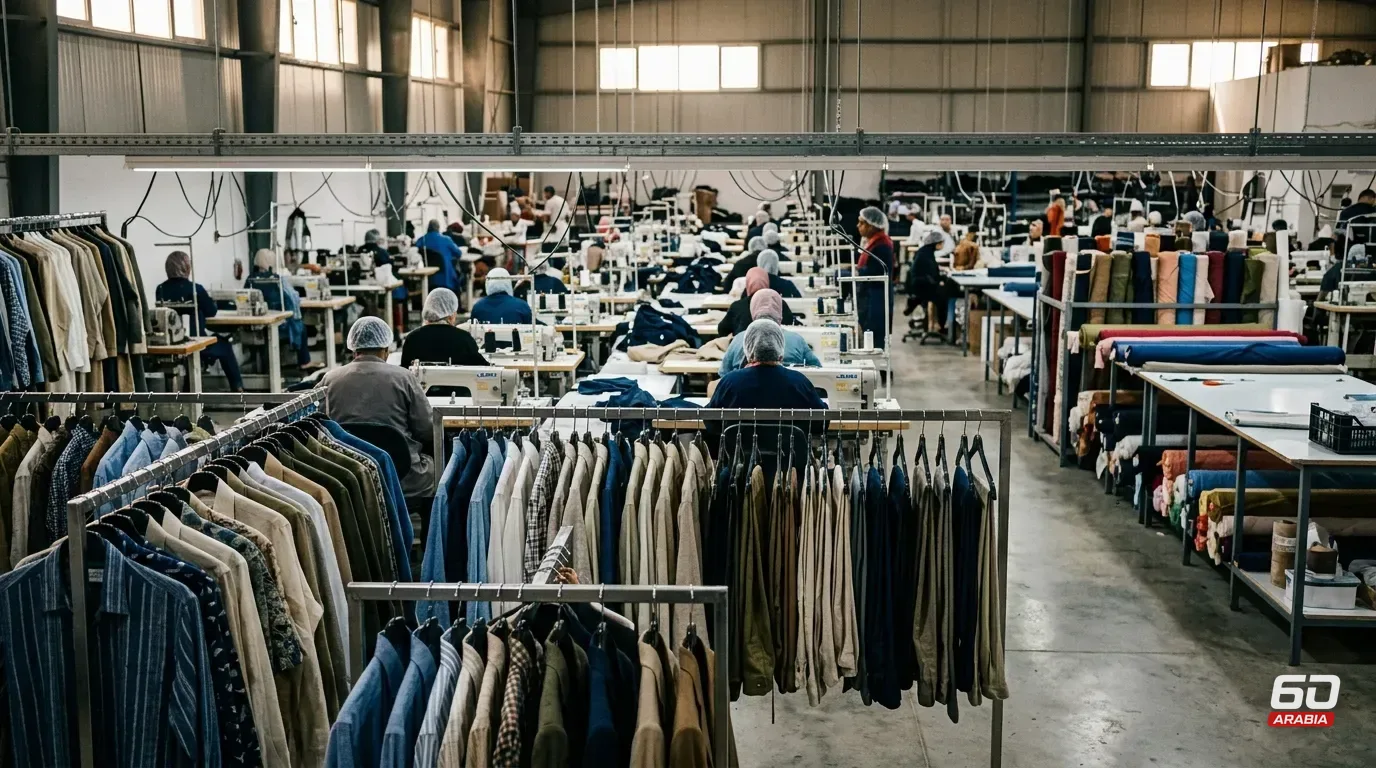
Egypt's fashion market has witnessed a remarkable shift over the past two years, as the share of locally made products rose from about one-third of the total market in 2023 to nearly half by 2025, reflecting a reshaping of the market landscape following a wave of Egyptian pound devaluations.
A series of devaluations affecting the Egyptian pound significantly reduced the economic feasibility of imports, prompting retailers and consumers to turn to local products as a more realistic option, while Egyptian factories capitalized on these circumstances to expand their production capacity and target broader market segments.
This shift not only indicates a decline in the import sector, but also reveals relative maturity in the local garment and textile industry, as some Egyptian brands have become capable of competing in terms of quality and design, not just price.
Experts view this transformation as an opportunity to strengthen the Egyptian textile sector regionally, with the potential to attract investments in local manufacturing and exports, especially given that Egypt possesses a rich history in the cotton and textile industry that enables it to sustainably develop this sector.
What do these terms mean?
Currency Devaluation: A decline in the exchange rate of the national currency against foreign currencies, making imported goods more expensive for local consumers and encouraging domestic production.
Textile and Apparel Sector: An industry encompassing the cultivation of natural fibers such as cotton, weaving them, manufacturing them into fabrics, and converting them into ready-made garments; Egypt is historically considered one of its prominent countries.
Local Supply Chains: A network of companies and processes that produce and distribute goods within a single country, rather than relying on external suppliers, thereby reducing import costs and exchange rate fluctuations.
Weekly Newsletter
Read between the lines before everyone else. Decode the most important economic, tech, and decision-maker movements in the region.. in 5 minutes every Saturday.