
Saudi Oil Production Reportedly Drops to Lowest Levels Since 1990 as OPEC+ Cuts Continue
Saudi Arabia's oil production has reportedly fallen to its lowest level since 1990, at a time when OPEC+ countries continue cuts exceeding 900,000 barrels per day to support global prices.
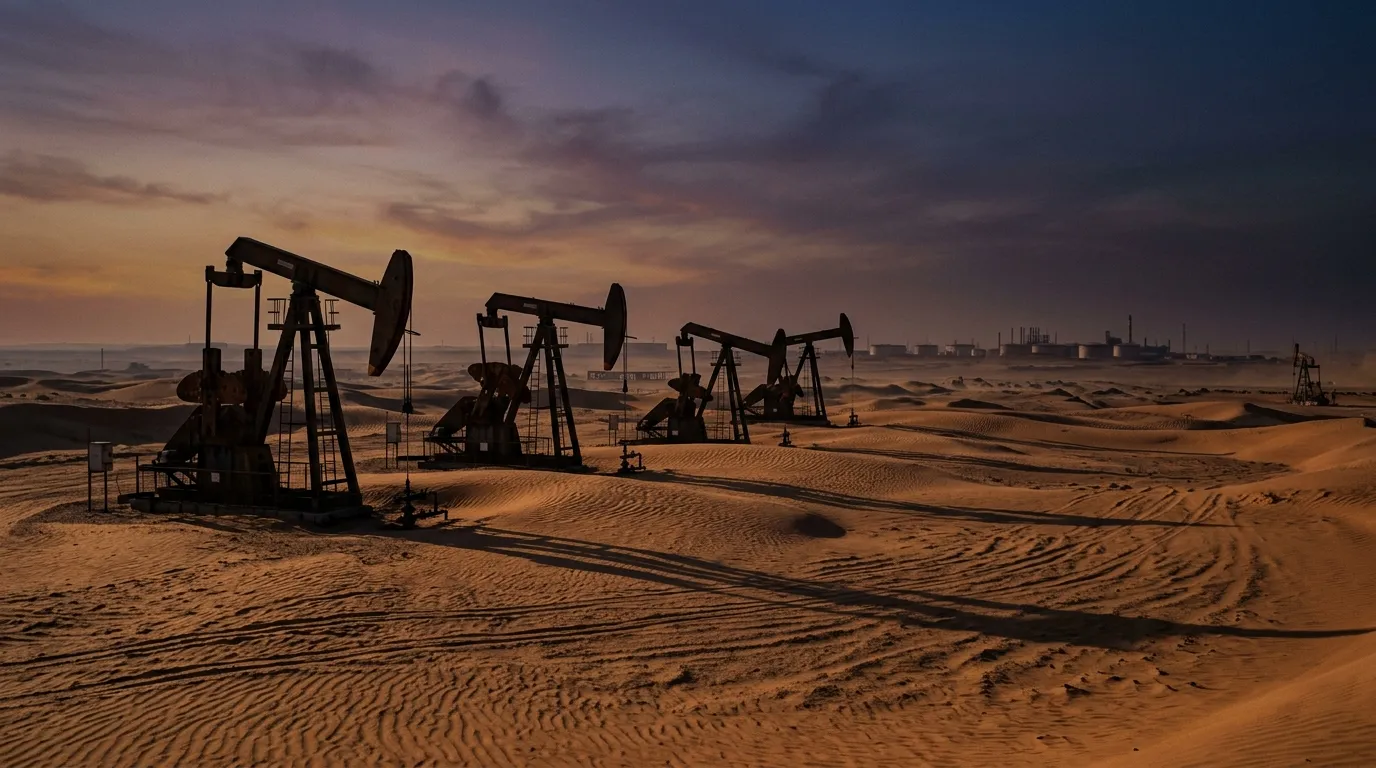
Saudi Arabia's crude oil production has reportedly dropped to its lowest level since 1990, signaling the depth of the cuts pursued by the Kingdom as part of a collective agreement with OPEC+ countries to regulate supply in global markets.
According to reports, the cuts exceed 900,000 barrels per day and come amid a decline in oil prices from previous levels, under pressure from slowing Chinese demand and rising production in non-bloc countries such as the United States and Canada.
The Kingdom faces a difficult balancing act between maintaining high prices to fund its massive Vision 2030 projects and avoiding ceding additional market share to non-OPEC+ competitors in global oil markets.
Historically, these cuts have helped support prices in the short term, but analysts point out that continuing them leads to a loss of market share that may be difficult to recover later, amid questions about the durability of the alliance's consensus at these levels.
What do these terms mean?
OPEC+: An alliance that includes OPEC member countries along with Russia and other producing nations, coordinating oil policies to regulate supply. Oil Supply: The quantities of oil available in the market; reducing it typically raises prices, while increasing it lowers them.
Weekly Newsletter
Read between the lines before everyone else. Decode the most important economic, tech, and decision-maker movements in the region.. in 5 minutes every Saturday.